Counting the waves…
Counting the waves…
A refined fusion of water purity, environmental stability, and communal vibrancy for Ajigasawa North Beach.
View MethodologyAnalyzed via live sensors and environmental data.
Wave height, wind, and atmospheric stability.
Live footfall and crowd balance metrics.
Community reviews and curated sentiment.
“North of Ajigasawa's main shoreline, this unmanicured extension of beach collects driftwood, seabirds, and the kind of silence you travel to northern Honshu to find. The dark sand crunches underfoot, the wind carries…”
Limited recent visitor reports — live OBI telemetry is your best guide for current conditions.
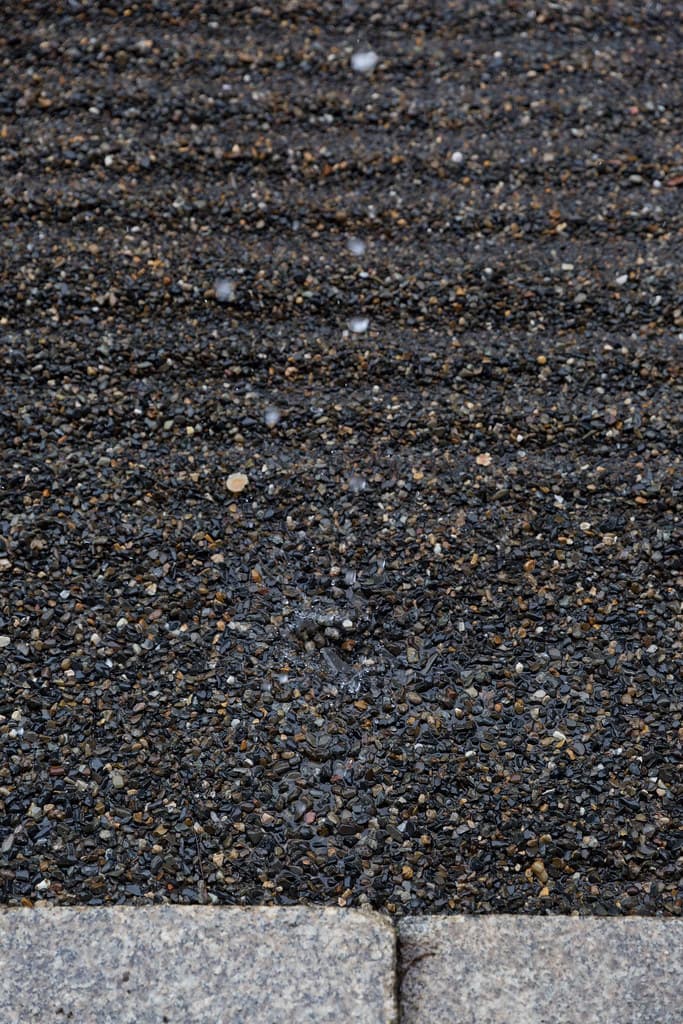
You park alongside Route 101 where the pavement meets scrub grass, and the beach simply begins—no gates, no signage, no crowd. The volcanic sand runs pewter-gray in sunlight, nearly charcoal when wet, stretching north in a gentle arc beneath low coastal bluffs. Driftwood lies scattered in skeletal piles, bleached white against the dark shore, and the Sea of Japan rolls in with the steady rhythm of a place that sees few swimmers and fewer tourists.
This is where Ajigasawa residents walk their dogs before breakfast, where anglers cast lines in hip waders at dawn, where high school students ride bikes to watch the sun drop behind the horizon. The water stays cold even in August, the beach stays empty even on weekends, and the only concession to tourism is the occasional vending machine a quarter-mile inland.
 Credit: Unsplash
a group of people standing on top of a sandy beach
 Credit: Unsplash
A view of a beach from a hill
Volcanic peak backdrops every angle
Miles of empty shoreline north
Horizon drops into open water
Where it is
Ajigasawa North Beach
Ajigasawa, Aomori, Japan
40.798700°, 140.042100°
Weather
Loading…
Swell
—
Temp
Warm · Restorative
UV Index
Moderate
Wind
—
Tidal State
Last known
Max Sunlight
—
Ideal Shade
—
May - Sep (Peak)
Jan - Dec (Off-season)
Historical data suggests peak visibility and stable sea temperatures occur during the prime visitation window.
Select a category to load nearby places.
Unlock restaurants, luxury stays and curated maritime experiences within 2km
Ajigasawa North Beach is generally calm and suitable for swimming during summer months, though conditions vary with weather. As a quieter, less-developed beach, there are typically no lifeguards on duty, so swimmers should exercise caution and avoid venturing out during rough seas or high winds. The Sea of Japan can experience sudden changes in conditions. Check local weather forecasts before visiting and swim only when conditions appear calm. Families with children should supervise closely given the lack of organized safety services.
The most pleasant time for beach activities is July through August when temperatures are warmest and swimming is comfortable. However, Ajigasawa North Beach can be visited year-round for scenic walks and photography. Spring and autumn offer milder weather and fewer visitors, ideal for peaceful strolls. Winter brings dramatic coastal scenery but very cold temperatures and strong winds. Summer weekends may see some local visitors, though this beach remains quieter than more popular tourist destinations in the region throughout the year.
Ajigasawa North Beach is located north of central Ajigasawa town in Aomori Prefecture. The most practical way to reach it is by car, as public transportation options are limited in this area. From central Ajigasawa, head north along the coastal road. Parking availability varies along the beach access points—look for small pull-offs or informal parking areas near the shore. The beach is less developed than major tourist beaches, so dedicated parking facilities may be minimal. GPS coordinates or a detailed map are recommended.
Ajigasawa North Beach has minimal on-site amenities, reflecting its quiet, local character. For food and lodging, head to central Ajigasawa town, a short drive south, where you'll find local restaurants serving fresh seafood and regional Aomori cuisine, plus minshuku (family-run guesthouses) and small hotels. The area is known for its seafood, particularly during fishing season. Bring your own refreshments if planning extended beach time, as convenience stores and facilities directly at this northern stretch are sparse.
Ajigasawa North Beach stands out for its uncrowded, authentic local atmosphere compared to more developed beaches in Aomori. It serves as a peaceful northern extension of the Ajigasawa coastline, offering solitude and unspoiled coastal scenery. The beach attracts primarily local residents rather than tourists, providing an authentic glimpse of everyday coastal life in rural Japan. Its undeveloped nature means fewer facilities but also more tranquility, making it ideal for travelers seeking to escape crowds and experience Japan's quieter seaside communities.
Photos