
Counting the waves…
Counting the waves…

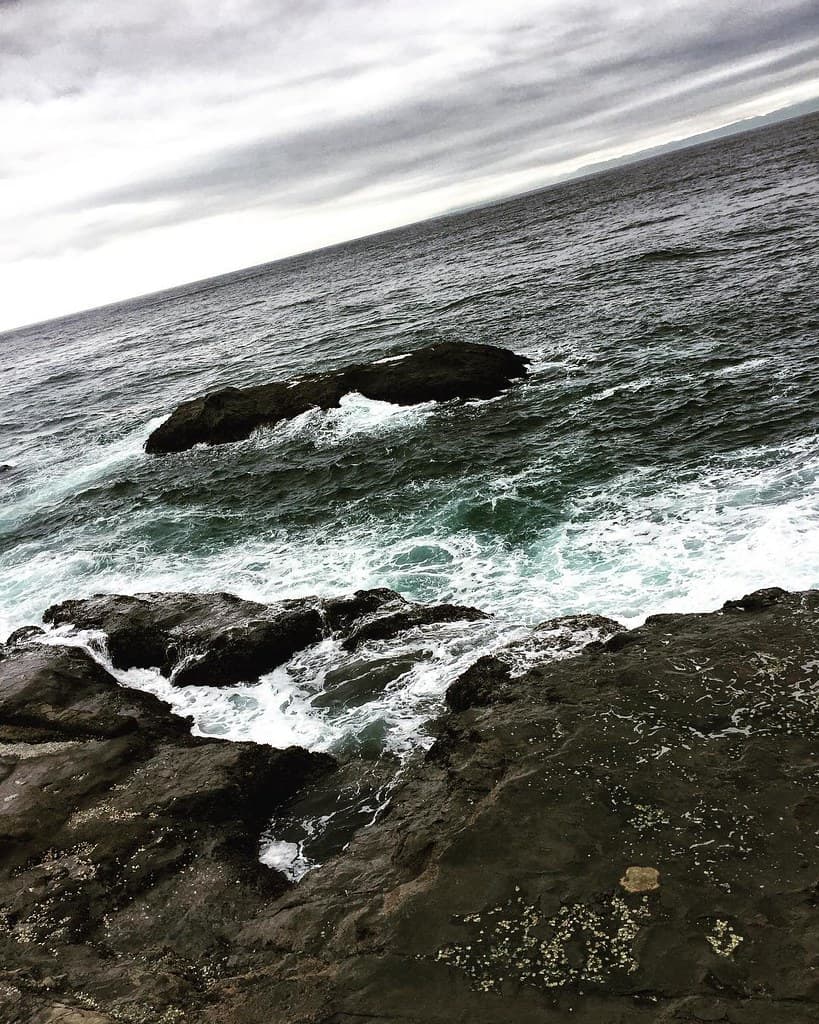
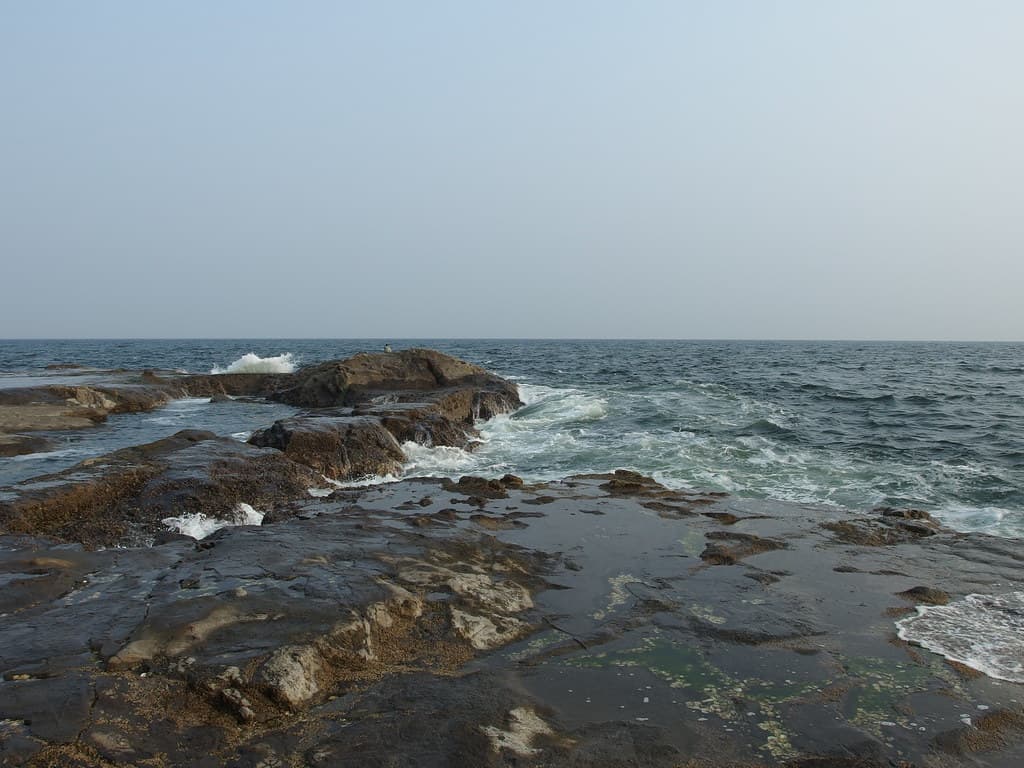
The eastern flank of Shimokita Peninsula rarely makes travel itineraries, which is precisely why Iwaya Beach feels like stumbling onto someone's private coastline. Dark volcanic sand slopes gently into the Pacific here, the beach framed by low grassy dunes and weathered breakwaters that speak to centuries of coastal pragmatism rather than resort ambition. Fishing nets dry on wooden racks near the access road, and the rhythm of the place follows the tide tables, not tourist seasons. You'll share the sand with local families who arrive with coolers and pop-up tents, content to spend slow hours wading in the shallows while children chase retreating waves. The water lacks the turquoise drama of southern beaches—this is the working Pacific, slate-blue and honest, temperamental but swimmable in calmer months. Smooth stones collect along the tideline, sorted by size and color through years of wave action. The appeal here is absence: no beach clubs, no jet skis slicing the morning quiet, no vendors hawking shell necklaces. Just the metronome of waves, the occasional trawler moving along the horizon, and the kind of unscripted coastal afternoon that reminds you why people settle beside oceans in the first place. Bring what you need; the village provides little beyond access and solitude.
Places, rentals, tours and events within walking and driving distance of Iwaya Beach.
Photos
Iwaya Beach is generally calm and suitable for swimming during summer months, though conditions vary with weather and tides. The beach features gentle waves typical of Japan's northern Pacific coast. Always check local weather forecasts before swimming, as currents can strengthen during storms. There may be limited lifeguard presence given the beach's quiet nature, so swim cautiously and supervise children closely. Water temperatures are cool year-round due to the northern location. Check with local authorities or your accommodation about current conditions before entering the water.
While listed as year-round, Iwaya Beach is most comfortable from June through September when temperatures are warmer for beach activities. Summer (July-August) offers the warmest weather, though it can be humid. Spring and autumn provide mild conditions ideal for scenic walks and photography with fewer crowds. Winter visits are possible but expect cold temperatures and strong winds typical of Aomori's northern climate. The beach's scenic appeal makes it worthwhile across seasons, but pack accordingly for the cool northern climate, especially outside summer months.
Iwaya Beach is located in Higashidori, a remote area of northeastern Aomori Prefecture. Access is easiest by car, as public transportation options are limited in this rural region. From central Aomori, expect roughly 2-3 hours driving northeast. Parking facilities are typically available near the beach, though amenities may be basic given the area's quiet nature. Renting a car from Aomori City or Misawa is recommended for flexibility. Check current road conditions, especially in winter when snow can affect accessibility in northern Aomori.
Iwaya Beach has limited on-site amenities due to its quiet, undeveloped nature. Basic facilities may be available, but don't expect extensive services. Higashidori village offers small local restaurants and convenience stores, though options are modest compared to larger cities. It's advisable to bring your own food, drinks, and beach supplies. For accommodation, look for minshuku (family-run guesthouses) or small hotels in Higashidori or nearby towns. Larger towns like Mutsu or Misawa offer more dining and lodging choices if you prefer more amenities.
Iwaya Beach's remote location in northeastern Aomori Prefecture, one of Japan's northernmost and least densely populated areas, keeps visitor numbers low. The area lacks major tourist infrastructure and is far from large population centers, requiring significant travel time. The cooler northern climate also means shorter beach seasons compared to southern Japan. This relative obscurity is precisely its charm—visitors seeking peaceful coastal scenery away from typical tourist routes appreciate the tranquility. The beach offers authentic rural Japanese coastal atmosphere without commercial development or crowds.