Counting the waves…
Counting the waves…
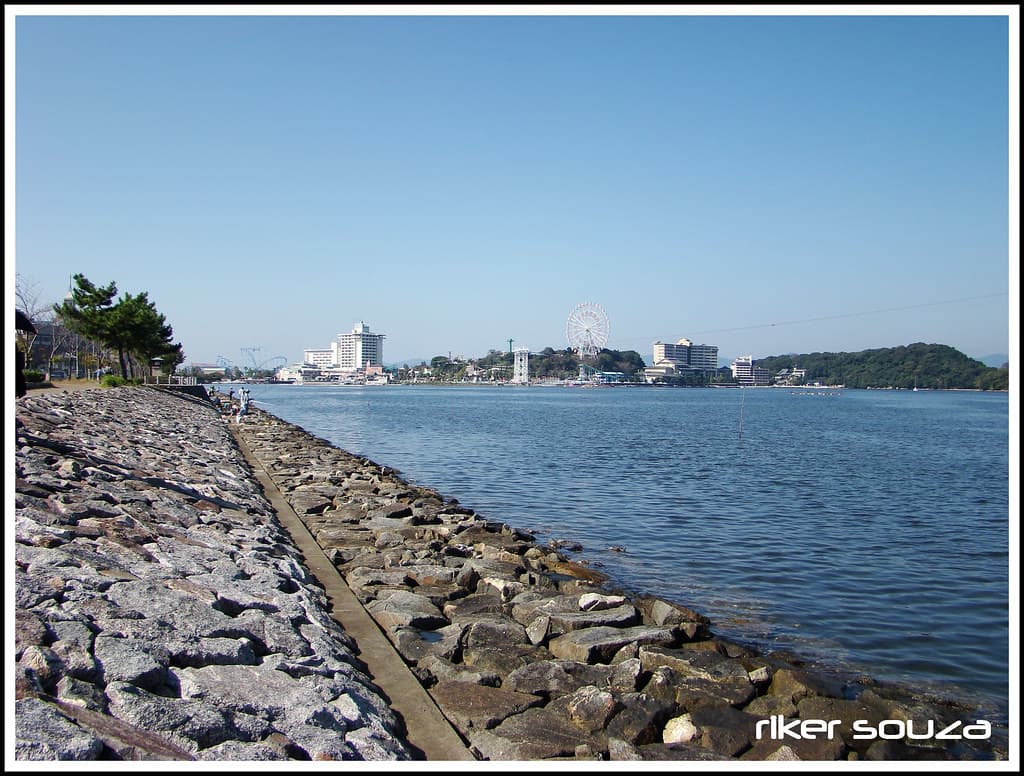
You'll find Imabetsu Beach tucked beside a small port town that saw its glory days before the Seikan Tunnel redirected rail traffic underground. Now the waterfront belongs to local families spreading picnic blankets on weekends and retirees walking their dogs along the pebbly shore. The beach itself is a gentle crescent of smooth stones—not sand—that clatter underfoot as waves withdraw, a sound you'll hear long after you leave. Across the strait, Hokkaido's silhouette sharpens on calm days, close enough that you can make out its mountain ridges. Fishing boats chug out before dawn and return mid-morning with squid and flounder, their hulls scraping against concrete ramps. Tide pools collect in the rocks at the eastern end, where hermit crabs scuttle and small greenlings dart between fronds of kelp. The water stays bracing even in August—this is the Sea of Japan's northern frontier, after all. Imabetsu doesn't court attention. There are no beach clubs or rental stands, just a small parking area, a shuttered ferry terminal turned community center, and a single convenience store two blocks inland. Come here when you want the coast to yourself, when the rhythm of lapping water and distant ship horns is entertainment enough, and when a beach needs nothing more than honest pebbles and an honest view.
Places, rentals, tours and events within walking and driving distance of Imabetsu Beach.
Photos
Imabetsu Beach is generally calm and suitable for family swimming during summer months. As a quiet town beach, it typically lacks lifeguards, so swimmers should exercise caution and supervise children closely. The Sea of Japan can have unpredictable currents, particularly during spring and autumn. Water temperatures are warmest from July through September. Check local weather conditions before swimming, and avoid the water during rough seas or strong winds. The beach's family-friendly reputation suggests relatively safe conditions, but always prioritize personal safety and swim within your abilities.
While Imabetsu Beach is accessible year-round, July and August offer the warmest weather and best swimming conditions, with temperatures reaching 25-28°C. The shoulder seasons of June and September provide fewer crowds and pleasant weather for beach walks, though water may be cooler. Winter visits offer dramatic coastal scenery but expect cold temperatures and strong winds typical of Aomori Prefecture. Spring brings milder weather and blooming landscapes. For swimming and typical beach activities, target late June through early September when conditions are most comfortable.
Imabetsu Beach is located in the town of Imabetsu, accessible via the Kaikyō Line railway. From Imabetsu Station, the beach is approximately 2-3 kilometers away, reachable by taxi or bicycle. If driving, take National Route 228 along the coast; parking is typically available near the beach, though specific lot sizes vary. The town is relatively small and quiet, so parking pressures are minimal compared to larger resort beaches. Having your own vehicle provides the most flexibility for exploring this less-touristed coastal area of Aomori Prefecture.
Imabetsu is a small, quiet town, so amenities are limited compared to major beach resorts. You'll find basic facilities and local restaurants serving fresh seafood and regional Aomori cuisine in the town center, though options may be modest. It's advisable to bring your own beach supplies, snacks, and drinks. Nearby Kikonai or larger towns offer more extensive dining and shopping options. For accommodation, consider staying in nearby cities like Hakodate (across the strait) or Aomori City, as lodging options directly in Imabetsu may be limited to small guesthouses or minshuku.
Imabetsu's unique significance comes from its connection to the Seikan Tunnel, the world's longest undersea railway tunnel linking Honshu and Hokkaido. While you cannot see the tunnel itself (it runs deep underwater), the beach offers views across the Tsugaru Strait toward Hokkaido. The former Tappi-Kaitei Station memorial and tunnel museum are located in the broader area, making Imabetsu Beach an interesting stop for those exploring this engineering marvel. The coastal views provide perspective on the strait that the tunnel traverses beneath.