Counting the waves…
Counting the waves…
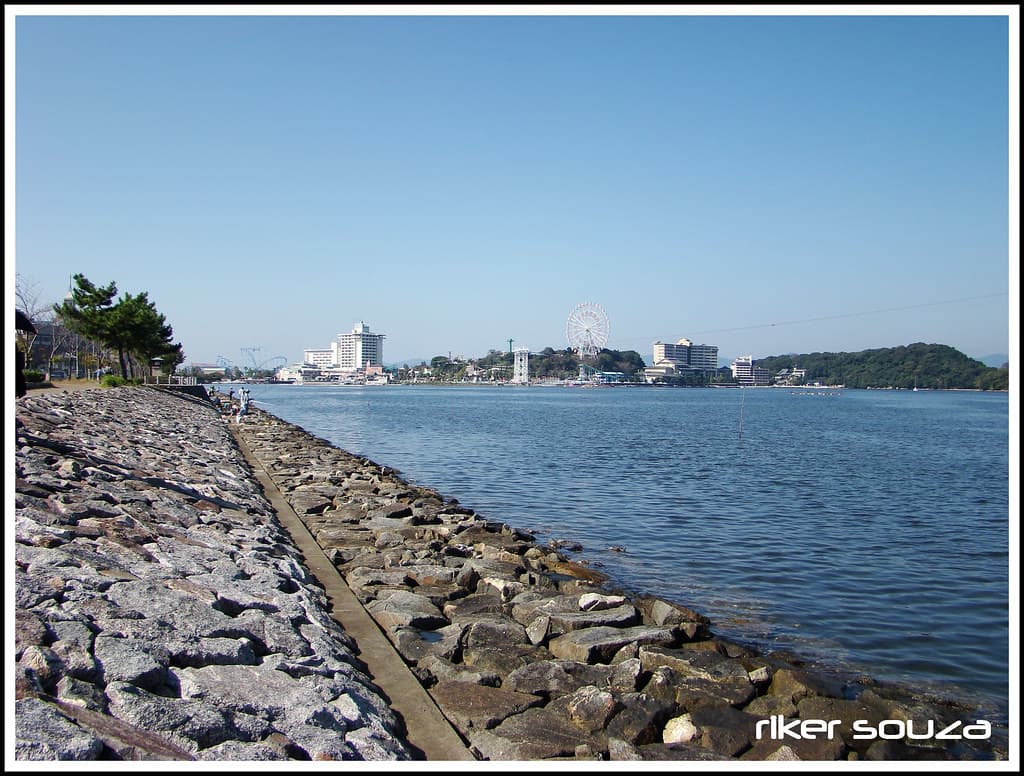
Tairadate North Beach unfolds along the Tsugaru Peninsula's exposed northern edge, where the coastline refuses to perform for visitors. The sand here bears the charcoal tint of volcanic origins, scattered with smooth stones worn by the Sea of Japan's relentless swells. Wind-sculpted pines lean inland from the dune edge, their roots gripping the sandy soil that shifts with every storm. You'll walk this beach with only gulls and the occasional beachcomber for company, the silence broken solely by breakers that travel unimpeded across open water. The shoreline curves in long, unhurried arcs, revealing new vistas with each kilometer walked—distant fishing villages, weathered concrete tetrapods, the hazy silhouette of mountains rising behind Sotogahama's agricultural lowlands. Winter brings dramatic seas and snow that settles briefly on dark sand before melting; summer offers milder conditions but rarely the warmth that draws sunbathers elsewhere. The water stays frigid through most seasons, discouraging casual swimmers but not the dedicated few who brave its depth. This is beach as elemental force rather than leisure destination. You'll leave with sand embedded in your shoes and the scent of kelp in your jacket, carrying memories of a coastline that insists on its own terms. The absence of infrastructure—the reason most travelers never arrive—becomes precisely the point once you've stood here, facing the open sea with nothing between you and the horizon.
Places, rentals, tours and events within walking and driving distance of Tairadate North Beach.
Photos
Swimming conditions at Tairadate North Beach can be unpredictable due to its location on the Tsugaru Strait. The beach is relatively undeveloped with limited lifeguard presence, so exercise caution. Strong currents and cold water temperatures are common, even in summer. The coastline is better suited for beachcombing and scenic walks than swimming. Always check local weather conditions before visiting, and avoid entering the water during rough seas or if you're unfamiliar with ocean swimming safety.
While accessible year-round, late spring through early autumn (May to October) offers the most pleasant weather for visiting Tairadate North Beach. Summer months provide warmer temperatures, though the Tsugaru Strait keeps conditions cooler than southern Japan. Winter visits are possible but expect strong winds and cold temperatures typical of northern Aomori. The beach's scenic beauty shines during clear days when you can enjoy views across the strait. Visit during weekdays for a more secluded experience on this undisturbed coastline.
Tairadate North Beach is located in rural Sotogahama, making a private vehicle essential for access. From Aomori city, drive approximately one hour north along coastal roads. Public transportation options are extremely limited in this remote area. Parking availability is typically informal and depends on the specific access point you use along the undeveloped coastline. A GPS navigation system is recommended as signage may be minimal. The beach's hidden nature means access points may not be clearly marked.
Tairadate North Beach has minimal facilities due to its undisturbed, undeveloped nature. Sotogahama town offers basic services including small restaurants serving local seafood and a few minshuku (Japanese guesthouses), though options are limited. Most visitors stay in Aomori city, which has wider accommodation and dining choices. Bring your own food, water, and supplies as beachside amenities are virtually nonexistent. Public restrooms may not be available at the beach itself. Plan accordingly for this remote coastal experience.
On clear days, Tairadate North Beach offers views across the Tsugaru Strait toward Hokkaido, Japan's northernmost main island. The strait is approximately 20 kilometers wide at certain points, making Hokkaido's southern coastline visible during good weather conditions. Early morning and late afternoon often provide the best visibility. This unique vantage point is one of the beach's special features, offering a perspective on the narrow gap separating Honshu and Hokkaido. Visibility varies greatly with weather, fog, and seasonal conditions.