Counting the waves…
Counting the waves…

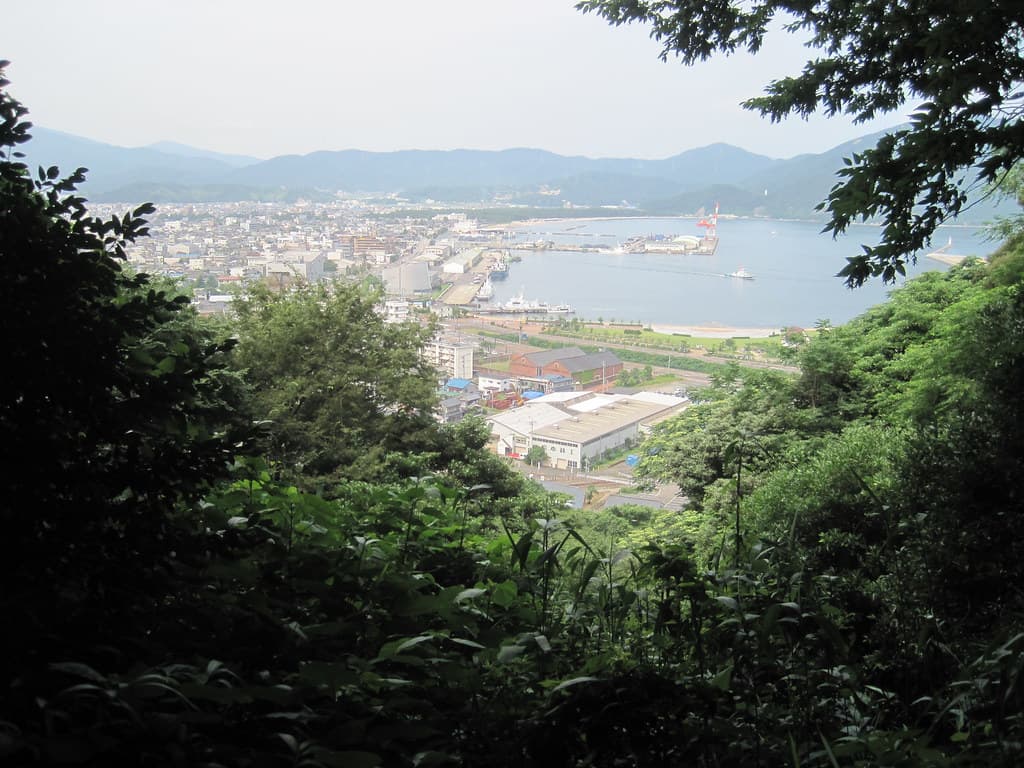
The beach announces itself not with signage but with the clatter of stone underfoot—smooth, fist-sized cobbles worn round by the Tsugaru Strait's relentless churn. Fishing nets hang from wooden racks beside weathered sheds, their orange floats bright against the grey-blue water. On clear mornings, Hokkaido's southern coast materializes across the strait, close enough that you can make out individual ridgelines, a reminder that you're standing at the very edge of Honshu. This is a shore shaped entirely by work, not leisure. Squid boats bob at moorings, their deck lights wrapped in blue tarps. Kelp dries on concrete slabs, filling the air with a briny, umami richness. Locals arrive in kei trucks to check crab pots or gather seaweed at low tide, nodding briefly before returning to their tasks. There are no facilities, no umbrellas, no pretense—just the honest transaction between sea and village that has sustained Kazamaura for generations. The water here stays bracingly cold even in summer, fed by currents sweeping down from the north. You'll walk the tide line instead, collecting green and amber sea glass smoothed by decades of tumbling, or watching cormorants dive beyond the breakers. When the ferry to Hakodate slides past in the late afternoon, its wake reaches shore minutes later, rearranging the stones with a satisfying rumble that echoes off the hillside behind you.
Places, rentals, tours and events within walking and driving distance of Shimofuro North Beach.
Photos
Shimofuro North Beach is primarily a fishing village shoreline rather than a developed swimming beach. Swimming conditions can vary significantly depending on weather and currents in the Tsugaru Strait. There are no lifeguards on duty, and amenities like changing facilities are not available. If you plan to enter the water, exercise extreme caution, check local conditions beforehand, and never swim alone. The beach is better suited for coastal walks and observing local fishing activities than recreational swimming.
While accessible year-round, late spring through early autumn (May to October) offers the most pleasant weather for visiting Shimofuro North Beach. Summer months provide milder temperatures ideal for beach walks, though Aomori's northern location means it stays relatively cool compared to southern Japan. Winter visits are possible but bring harsh winds and snow typical of the Tsugaru Strait region. Early morning visits any season offer opportunities to see local fishermen at work, providing authentic glimpses of coastal village life.
Shimofuro North Beach is located in the remote Kazamaura area of Aomori Prefecture's Shimokita Peninsula. A rental car is highly recommended as public transportation is limited. From central Aomori, drive approximately 2-3 hours via Route 279. The area is rural with informal parking along the coastal road near the fishing village. GPS coordinates may be unreliable, so consider asking locals for directions. The remote location means planning ahead is essential, including fuel and supplies.
As a small fishing village, Shimofuro has very limited tourist infrastructure. You may find small local eateries serving fresh seafood, but options are sparse and hours can be irregular. It's wise to bring your own food and drinks. Accommodations are not available directly at the beach; visitors typically stay in larger towns like Mutsu City or Oma, each 30-60 minutes away. Some fishing villages in the region offer minshuku (family-run guesthouses), but advance research and reservations are essential.
Yes, Shimofuro North Beach offers authentic opportunities to observe traditional fishing village life. Early morning hours are best for seeing local fishermen preparing boats, mending nets, or returning with catches from the Tsugaru Strait. This working shoreline provides genuine cultural insight rather than tourist-oriented experiences. Be respectful of fishermen's work and private property. The authentic, unhurried atmosphere represents traditional coastal Japan increasingly rare in more developed areas. Photography is generally acceptable but always ask permission before photographing people.