Counting the waves…
Counting the waves…
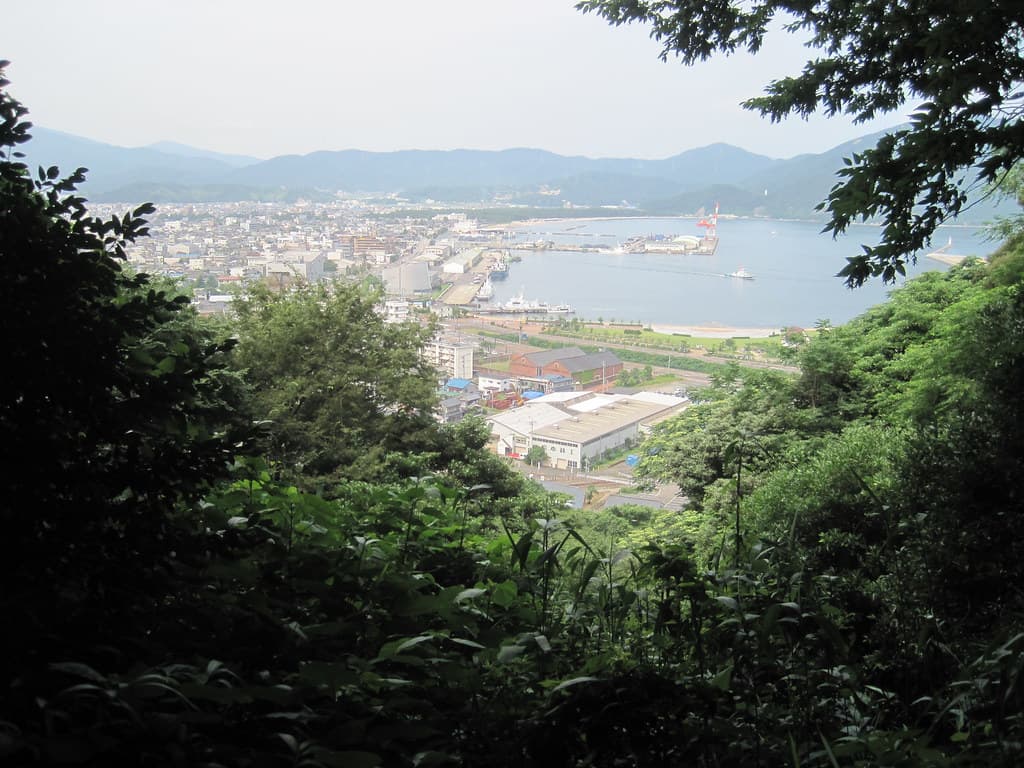
The beach runs in a gentle arc beneath Route 279, a strip of dark volcanic sand that crunches underfoot like spent charcoal. Across the Tsugaru Strait, Hokkaido's mountains rise in hazy layers, close enough that you can watch weather systems sweep across the channel in real time. Fishing boats chug out at dawn, their diesel engines echoing off the hillside, while cormorants dive in the shallows where the current slows. This is scallop country, and the evidence lines the upper beach—blue cultivation nets stacked beside concrete tetrapods, the briny smell of kelp drying in the wind. Families spread blankets on the sand in summer, wading into water that never quite warms, while older men cast lines from the breakwater for flounder. The shoreline road curves past a small parking area and a shuttered snack shack that opens only during Obon week. You're on the northernmost edge of Honshu here, where the main island tapers to a point and the strait narrows to fifteen miles. Ferries slide past on their Hakodate run, and if you time it right in the quiet hours before dusk, you'll catch the low sun turning the water to hammered pewter, the kind of light that makes every pebble and driftwood log worth a second look.
Places, rentals, tours and events within walking and driving distance of Wakinosawa Beach.
Photos
Wakinosawa Beach faces the Tsugaru Strait, where currents can be strong and water temperatures remain cold even in summer. While the beach is scenic and popular for wading and shoreline activities, swimmers should exercise caution and check local conditions before entering the water. The beach is generally calmer during summer months, but always supervise children closely. Facilities may be limited, so arrive prepared. Local signage and advisories should be consulted, as conditions vary with tides and weather patterns typical of strait-facing coastlines.
Wakinosawa Beach can be visited year-round, with each season offering different experiences. Summer (July-August) provides the warmest weather for beach activities and family outings, though waters remain cool. Spring and autumn offer pleasant temperatures and fewer crowds, ideal for scenic walks and photography. Winter visits reveal dramatic coastal landscapes and potential views of snow-dusted shores, though facilities may be reduced. The beach's strait-facing position means it can be windy, so checking weather forecasts is advisable regardless of season.
Wakinosawa Beach is located in Mutsu, in northern Aomori Prefecture. Access is easiest by car, as public transportation options to this coastal area are limited. From central Mutsu, follow Route 279 toward the Wakinosawa area—the journey takes approximately 20-30 minutes depending on your starting point. Parking availability exists near the beach, though specific lot sizes may vary. A personal vehicle or rental car is recommended for visiting, as this allows flexibility to explore the surrounding Shimokita Peninsula coastline.
As a relatively quiet coastal area, Wakinosawa Beach has limited facilities directly on-site. Visitors should plan accordingly by bringing supplies from Mutsu city, where supermarkets, convenience stores, and restaurants are available. Some small local eateries may be found in nearby coastal communities, often serving fresh seafood. For accommodations, Mutsu city center offers the widest range of hotels and guesthouses, typically 20-30 minutes away by car. Traditional minshuku (family-run inns) may exist in surrounding fishing villages for those seeking local hospitality.
Yes, on clear days, Wakinosawa Beach offers views across the Tsugaru Strait toward Hokkaido. The strait is approximately 20 kilometers wide at its narrowest point, making the opposite shore visible during good weather conditions. This unique vantage point is one of the beach's main attractions, providing dramatic coastal scenery where two major Japanese islands appear to meet. Visibility varies with weather, fog, and seasonal conditions, but the strait-facing position creates memorable panoramas, especially during sunrise and sunset when lighting enhances the cross-strait views.