Counting the waves…
Counting the waves…
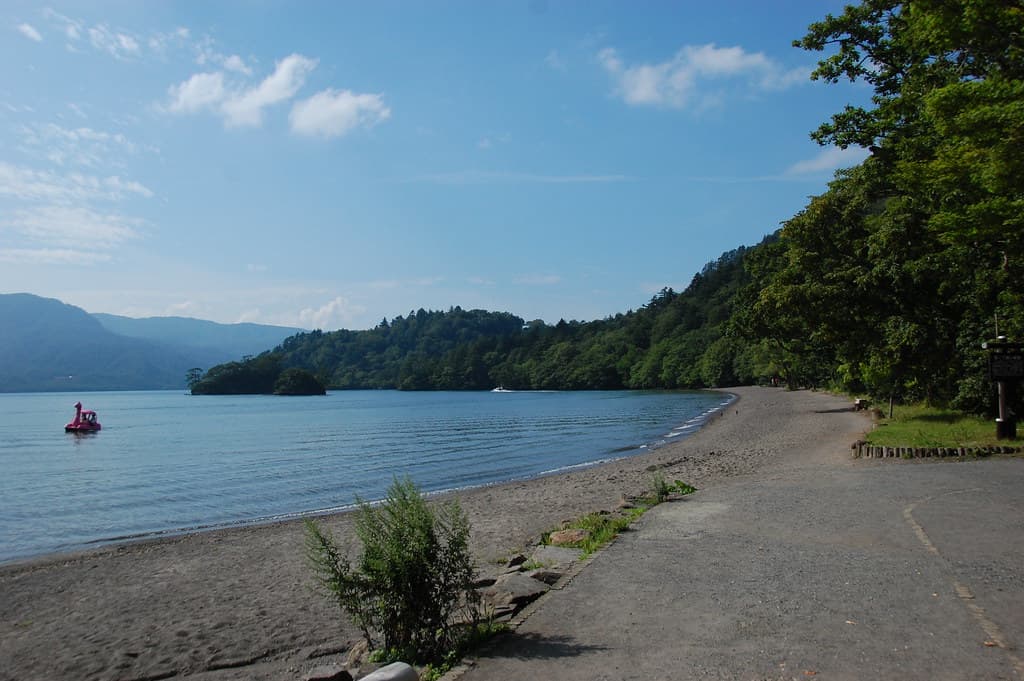
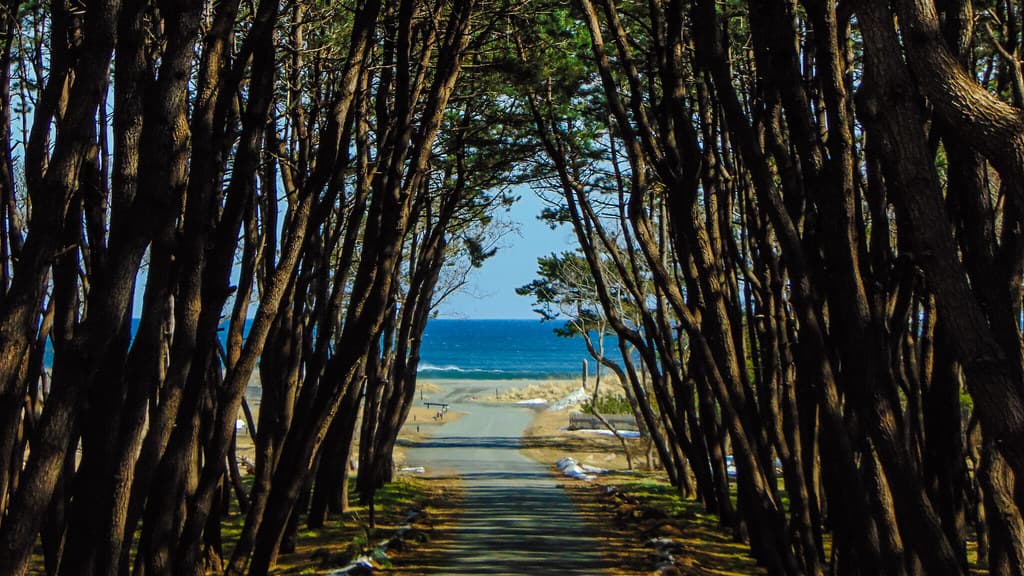
You'll find Momonoki Beach by following the coast road through Oirase, where the Pacific chews quietly at Aomori's eastern edge. The beach itself is modest—a hundred meters of gray-tan sand bordered by tetrapods and fishing nets drying on wooden racks. This is not a destination beach but a neighborhood one, the kind of place where locals arrive with thermoses of barley tea and bags of onigiri, stake out their familiar spots beneath weathered beach umbrellas, and stay until the tide shifts. The water here is brisk even in August, fed by currents that sweep down from Hokkaido. You'll see children testing the surf in inflatable rings while their fathers stand knee-deep, cigarettes cupped against the breeze. A concrete breakwater juts into the bay on the northern end, favored by teenage anglers casting for horse mackerel. The beach empties by late afternoon, leaving only tide pools and the occasional beachcomber searching for sea glass among the stones. There are no rental umbrellas, no beach bars serving frozen cocktails, no lifeguard towers painted in cheerful colors. What Momonoki offers instead is authenticity—a glimpse of coastal life as it's actually lived in northern Japan, where the beach serves as the town's collective backyard, functional and familiar, visited not for Instagram but for the simple need to be beside the sea.
Places, rentals, tours and events within walking and driving distance of Momonoki Beach.
Photos
Momonoki Beach is a small, sheltered local beach along Aomori's coastline, which generally offers calmer waters than more exposed Pacific-facing beaches. However, conditions vary by season and weather. Always check local weather forecasts and wave conditions before swimming. The beach is not heavily supervised, so lifeguard presence may be limited or absent. Swimming is typically safest during summer months when seas are calmer. Watch for currents and avoid swimming alone. The shallow areas near shore are generally suitable for wading and children's play under supervision.
While technically accessible year-round, Momonoki Beach is most enjoyable from late June through August when temperatures are warmest for swimming and beach activities. Summer offers comfortable weather with temperatures around 20-25°C. Spring and autumn provide quieter visits with milder weather, ideal for coastal walks and photography, though water temperatures are cooler. Winter visits are possible but cold, with temperatures often below 5°C and limited beach activities. The Oirase area experiences distinct seasons, so dress appropriately and check weather conditions regardless of when you visit this local spot.
Momonoki Beach is located in Oirase town in eastern Aomori Prefecture. The most practical way to reach it is by car, as public transportation options to this small local beach are limited. From Hachinohe city, it's approximately a 30-minute drive north along coastal Route 45. Free parking is typically available near the beach, though spaces may be limited as this is a small local spot rather than a major tourist beach. If relying on public transport, buses to Oirase town exist, but you may need to walk or taxi to the beach itself.
As a small local beach, Momonoki Beach has limited facilities directly on-site. You'll find more dining and lodging options in nearby Oirase town and the larger city of Hachinohe. Local restaurants in the area often serve fresh seafood, reflecting Aomori's coastal location. For accommodations, consider staying in Hachinohe, which offers hotels and ryokan within 30 minutes' drive. It's advisable to bring your own food, drinks, and beach supplies, as convenience stores and shops immediately at the beach may be minimal or non-existent.
Momonoki Beach stands out as an authentic local spot largely undiscovered by mass tourism. Unlike more developed beaches in Japan, it offers a quiet, uncommercial atmosphere where you're more likely to encounter local families than tour groups. The beach reflects everyday coastal life in rural Aomori Prefecture, providing an authentic glimpse of how locals enjoy their shoreline. Its small size and hidden nature mean fewer crowds and a more peaceful experience. This makes it ideal for travellers seeking to escape tourist hotspots and experience Japan's countryside coastal culture in a low-key setting.