Counting the waves…
Counting the waves…

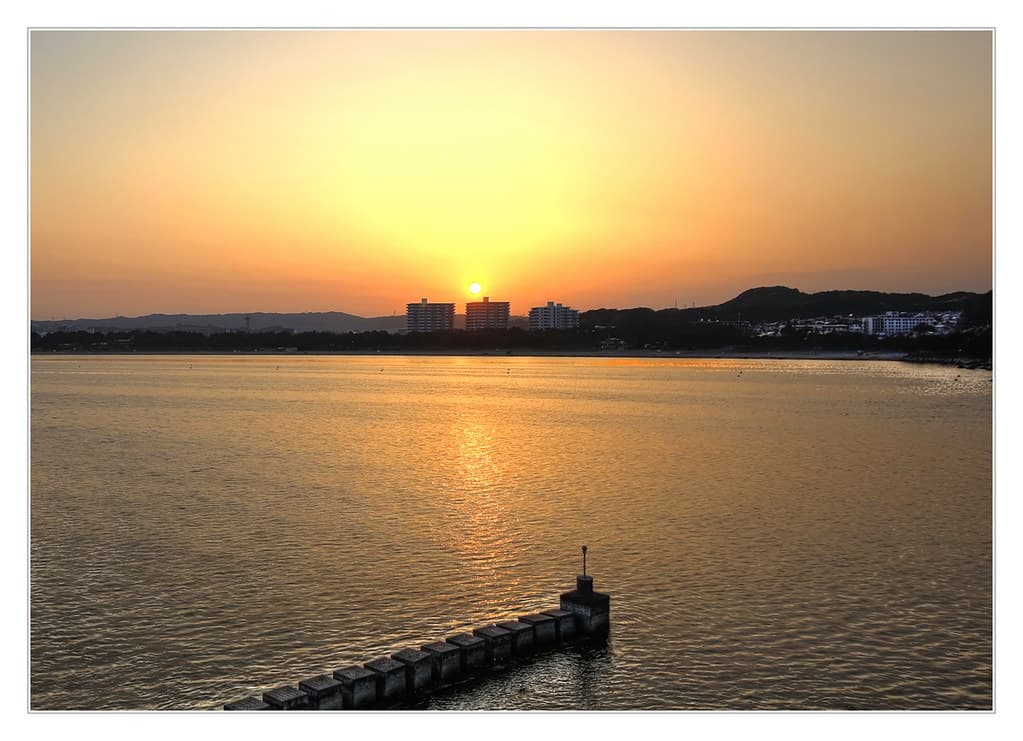
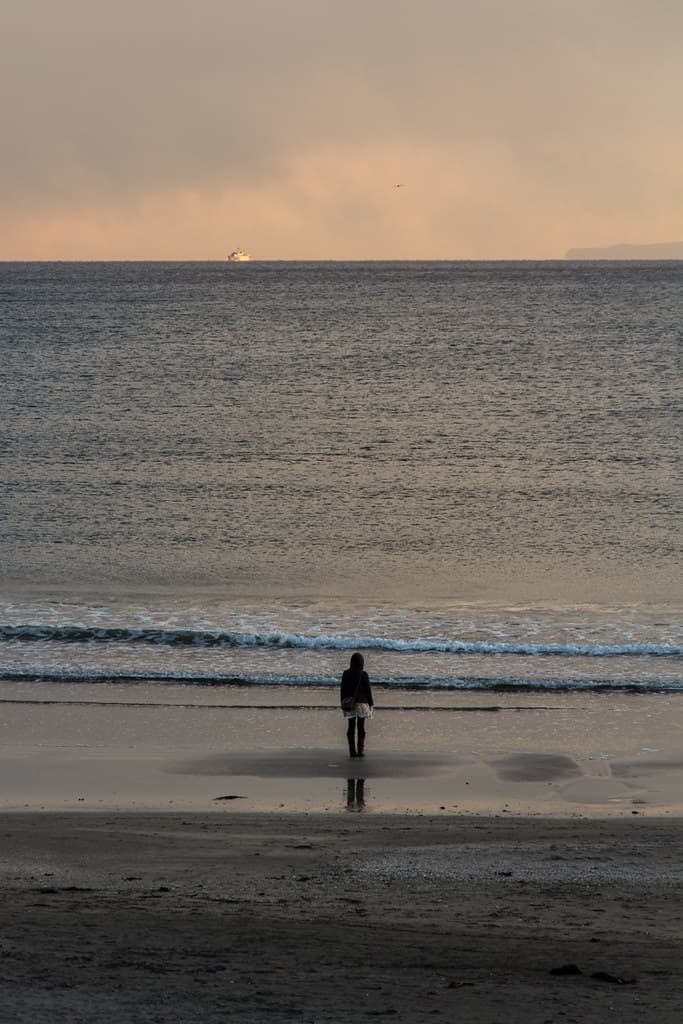
Yokohama Beach occupies a gentle curve of Mutsu Bay's coastline, where the津軽半島 peninsula shelters the shore from ocean swells. You'll find shallow, tepid water that stays swimmable long after Pacific-facing beaches turn frigid—children wade knee-deep fifty meters out, collecting shells while parents watch from woven mats under rented parasols. The sand here is fine and gray, packed firm enough for barefoot strolls that leave clean imprints. Behind the beach, pine groves offer shade and the scent of resin in August heat. Vendors sell grilled squid caught that morning in the bay, the char and salt mingling with seaweed drying on wooden racks nearby. The Hakkōda Mountains rise to the south, their ridgelines visible on clear days, sometimes holding snow into June while you're rolling up your jeans to test the water temperature. Local families arrive after breakfast and stay through dusk, when the bay reflects pink and amber. There's no surf to speak of, no dramatic tide shifts—just steady, reliable access to water warm enough for swimming from late May through September, with autumn and winter visits rewarded by empty sand and the kind of quiet only northern coastlines know.
Places, rentals, tours and events within walking and driving distance of Yokohama Beach.
Photos
Yokohama Beach offers relatively calm waters due to its bay location, making it generally suitable for swimming during summer months. However, conditions vary with weather and tides. The beach is more popular for wading and paddling than serious swimming. Always check local conditions before entering the water, and supervise children closely. During colder months (October-May), swimming is not recommended due to frigid northern Japan waters. Lifeguards may not be present year-round, so exercise caution and follow any posted safety signs.
While technically accessible year-round, July and August offer the warmest weather for beach activities, with temperatures reaching 20-25°C. Late spring (May-June) provides mild weather and fewer crowds, ideal for scenic walks. The beach has year-round appeal for those interested in coastal scenery rather than swimming. Autumn offers beautiful coastal landscapes, while winter brings a stark, peaceful atmosphere. Note that northern Aomori experiences cold winters with possible snow, so dress appropriately if visiting outside summer months.
Yokohama Beach is located in Yokohama Town in northern Aomori Prefecture. By car, it's accessible via local roads from Mutsu City (approximately 30-40 minutes). Public transportation is limited in this rural area, so renting a car is recommended for flexibility. Parking is typically available near the beach area, though specific lot sizes vary. The beach is relatively remote compared to urban Japanese beaches, so plan your transportation carefully and consider GPS navigation for easier access to this northern coastal location.
Yokohama Beach is in a relatively rural area with limited on-site facilities. Basic amenities like restrooms may be available seasonally. For dining, small local restaurants and shops can be found in Yokohama Town, offering regional seafood and Japanese cuisine. Accommodation options in the immediate area are limited; visitors typically find lodging in nearby Mutsu City or other towns in the Shimokita Peninsula. It's advisable to bring supplies, especially if visiting outside peak summer season when services may be reduced.
Yes, Yokohama Beach offers beautiful views across Mutsu Bay, which is one of its main attractions. The northern bay coastline provides scenic vistas, particularly during sunset. The beach's location on the Shimokita Peninsula allows visitors to enjoy peaceful coastal scenery characteristic of northern Japan. During clear days, you can appreciate the surrounding natural landscape and the bay's expansive waters. This makes the beach appealing for photography, leisurely walks, and appreciating coastal nature, even when not swimming.