Counting the waves…
Counting the waves…

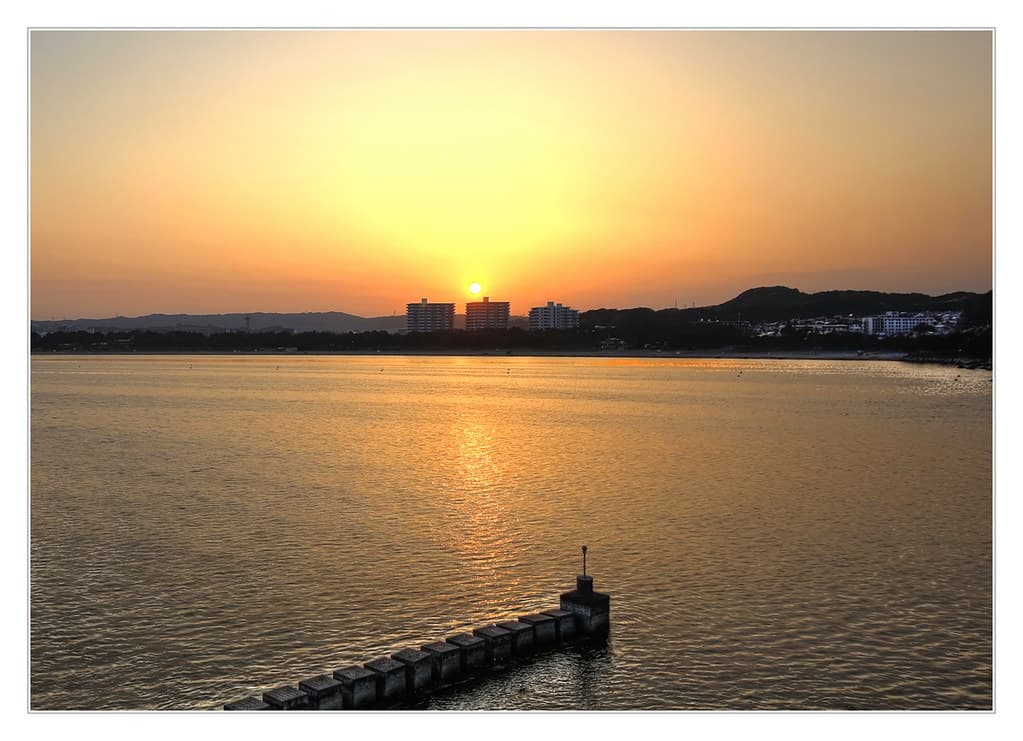
You arrive at Yokohama North Beach and immediately notice what's absent: the crowds, the umbrellas, the vendors hawking trinkets. This stretch of Mutsu Bay coastline feels like it belongs to the fishing boats bobbing offshore and the occasional local who knows to bring a thermos and a folding chair. The beach itself is more stone than sand—smooth, gray pebbles that shift and rattle with each wave—framed by low grasses and the distant silhouette of the Shimokita Peninsula. The water here is calm most days, protected by the bay's broad embrace, its surface catching the pewter light of northern Japan's ever-changing skies. In summer, the temperature climbs just enough to make wading pleasant; in autumn, the beachcombing is unmatched, with driftwood and shells deposited by tides that seem to operate on their own quiet schedule. Even in winter, when snow dusts the stones, locals come to watch the ice floes drift in from the津軽 Strait. This is not a beach for sunbathing or Instagram tableaux. It's for listening to the scrape of pebbles pulled by the undertow, for breathing air so clean it tastes like nothing at all, for realizing that some of Japan's most compelling coastal beauty requires nothing more than showing up and paying attention.
Places, rentals, tours and events within walking and driving distance of Yokohama North Beach.
Photos
Swimming conditions at Yokohama North Beach vary seasonally. The Japan Sea can have strong currents and cooler temperatures, even in summer. Always check local weather conditions and wave warnings before entering the water. There may be limited lifeguard presence compared to major tourist beaches, so exercise caution. The beach is generally quieter with fewer facilities, meaning assistance may not be immediately available. If you're unfamiliar with northern Japan's coastal conditions, consider enjoying the scenic shoreline rather than swimming, or stay close to shore in calm conditions.
While listed as year-round, summer months (July-August) offer the warmest weather for beach activities, though temperatures remain cooler than southern Japan beaches. Spring and autumn provide beautiful scenery with fewer crowds, ideal for peaceful walks and photography. Winter visits appeal to those seeking dramatic coastal landscapes and solitude, but bring appropriate cold-weather gear. The beach's northern location means shorter summer days and longer winters. For swimming, late July through mid-August typically offers the best conditions, though water temperatures remain brisk compared to Pacific coast beaches.
Yokohama North Beach is located in Aomori Prefecture's Yokohama town. A car is highly recommended as public transportation to this quiet northern beach is limited. From Aomori city, drive approximately 90 minutes west along coastal routes. Parking availability exists near the beach, though facilities may be basic compared to developed tourist areas. If relying on public transport, buses from nearby towns run infrequently, so check schedules carefully. The rural location means planning your journey in advance is essential, especially during winter when weather can affect road conditions.
As a hidden, quiet beach in rural Aomori, facilities at Yokohama North Beach are minimal. Basic restroom facilities may be available seasonally, but don't expect beach amenities like showers or changing rooms. Dining options exist in Yokohama town center, a short drive away, featuring local seafood and regional cuisine. Accommodation is limited to small guesthouses or minshuku (family-run inns) in the area. For more hotel choices, consider staying in larger nearby towns. Bringing your own food, water, and supplies is advisable when visiting this secluded location.
Yokohama North Beach offers an authentic, undeveloped coastal experience rare in modern Japan. Its location on the Japan Sea coast provides dramatically different scenery from famous Pacific beaches—expect rugged beauty, cooler waters, and genuine solitude. The northern setting means you'll likely encounter few tourists, instead experiencing how locals enjoy their coastline. The surrounding Aomori countryside adds cultural richness, with opportunities to explore traditional fishing communities. Unlike commercialized resort beaches, this quiet stretch rewards visitors seeking peaceful reflection, natural landscapes, and escape from crowds, embodying rural Japan's understated charm.