
Counting the waves…
Counting the waves…
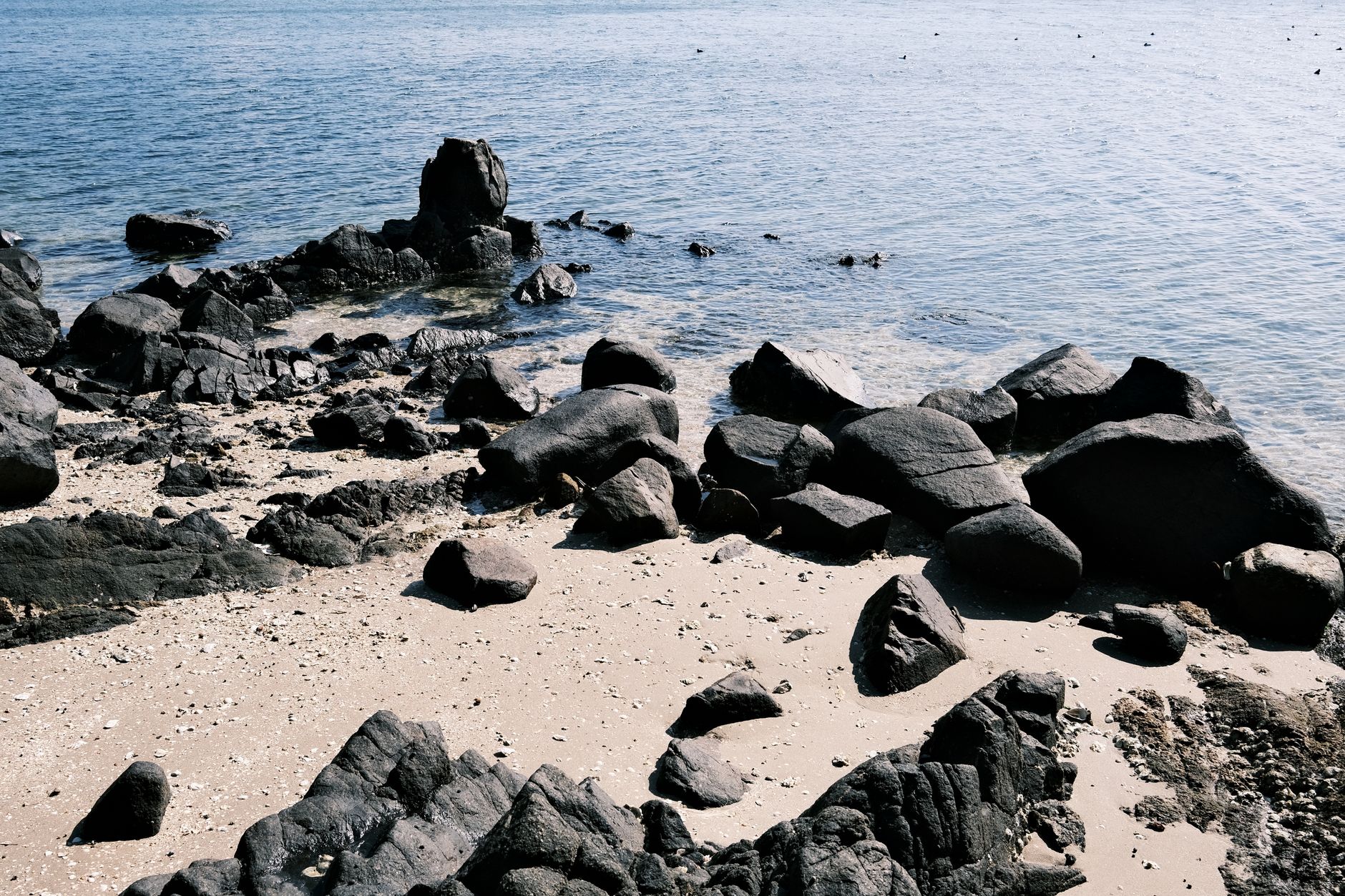
The sand beneath your boots is dark—nearly black—a stark canvas for the surreal February spectacle unfolding offshore. From late January through early March, drift ice from Russia's Amur River travels down the Okhotsk Sea and piles against Abashiri's shore in heaps the size of small cars. You'll hear it before you see it clearly: a low grinding, almost organic, as floes collide and ride up over one another. The air smells of salt and cold, sharp enough to sting your nostrils. In warmer months, the beach sheds its frozen armor. June through August bring fog that rolls in from the sea each morning, softening the lighthouse at the eastern end into a watercolor smudge. The water never truly warms—expect temperatures around 16°C even in high summer—but local families still wade in, children shrieking at the shock. Seabirds work the tideline, and you'll spot fishing boats heading toward the horizon before dawn. The town of Abashiri backs the beach with a mix of weathered fishing infrastructure and modest resort hotels. A short walk west brings you to the Museum of Northern Peoples, where Ainu and circumpolar artifacts provide context for the landscape's human history. The beach itself remains refreshingly undeveloped: no umbrellas for rent, no jet skis, just the rhythm of a working coast.
Places, rentals, tours and events within walking and driving distance of Abashiri Beach.
Photos
Swimming at Abashiri Beach is generally only suitable during July and August when water temperatures are warmest, though still quite cold (15-20°C). Outside summer months, the sea is too cold for swimming. In winter (January-March), the beach is not for swimming but for viewing drift ice from the shore. Always check local conditions as currents can be strong. The beach lacks lifeguards, so exercise caution. Most visitors come for sightseeing rather than swimming, particularly to witness the unique drift ice phenomenon.
The most unique time to visit Abashiri Beach is late January through March during drift ice season, when ice floes from the Sea of Okhotsk reach the shore, creating stunning white landscapes. This phenomenon is rare in Japan. For traditional beach activities, July and August offer the warmest weather, though summers remain cool compared to other Japanese beaches. Each season offers different experiences: winter for drift ice, summer for milder weather, and spring/autumn for fewer crowds and scenic coastal views.
Abashiri Beach is located about 5 kilometers north of JR Abashiri Station. You can take a local bus toward the northern coastal area or taxi (approximately 10 minutes). Renting a car is recommended for flexibility, as Abashiri is relatively remote. Free parking is available near the beach area. During drift ice season, many visitors take the Aurora icebreaker cruise from Abashiri Port (separate location) for closer ice views. The beach itself is easily accessible year-round with basic parking facilities.
Most dining and lodging options are concentrated in Abashiri city center, about 5 kilometers south of the beach. The area is famous for fresh seafood, particularly crab and sea urchin. Local restaurants serve Abashiri's unique blue ice cream (colored with local gardenia). Accommodation ranges from business hotels to traditional ryokan in the city. Near the beach itself, facilities are limited, so plan to eat and stay in town. Several hotels offer views of the Sea of Okhotsk and package deals during drift ice season.
Yes, you can view drift ice directly from Abashiri Beach during peak season (late January to early March), depending on wind and ocean conditions. The beach offers free, shore-based viewing when ice reaches land. However, conditions vary daily—some days ice comes close to shore, other days it drifts farther out. For guaranteed close-up views, the Aurora icebreaker cruise is recommended. Check local ice reports before visiting. The beach provides a more budget-friendly, accessible option for witnessing this natural phenomenon compared to cruise tours.