
Counting the waves…
Counting the waves…
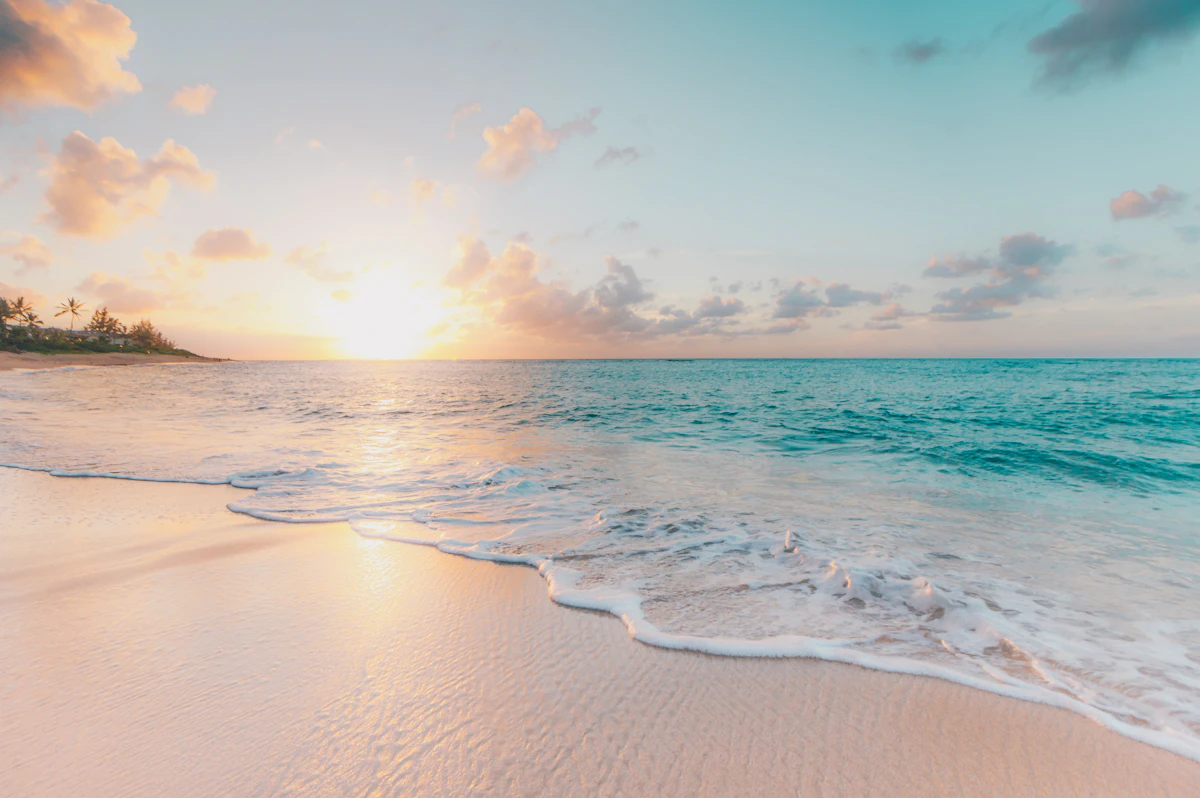
You'll find Yobito Beach tucked along a workday stretch of Abashiri's coast, where the rhythms belong to fishermen and the tide rather than sunbathers. The shoreline is a mix of smooth stones and coarse sand, flanked by weathered breakwaters and the occasional rust-streaked trawler hauled up for repairs. In winter, when drift ice drifts south from the Arctic, the Okhotsk Sea freezes into jagged white plates that pile against the shore—a phenomenon unique to this sliver of Hokkaido. The beach itself is understated: no lifeguards, no concession stands, just the unvarnished edge of a port town. Gulls wheel overhead, and the air carries a salt-and-seaweed sharpness that reminds you this is a place built on fishing, not leisure. A paved path runs parallel to the water, popular with morning joggers and retirees walking small dogs, but the beach itself remains mostly empty even in summer. Come at dawn and you'll see fishing crews already at work, their voices carrying across the still water. In late afternoon, the low northern light turns the pebbles amber and the sea a steely blue-gray. There's a quietly functional beauty here, the kind that doesn't announce itself but rewards those willing to trade postcard scenery for something more authentic.
Places, rentals, tours and events within walking and driving distance of Yobito Beach.
Photos
Yobito Beach is generally not recommended for swimming due to cold water temperatures, even in summer, as it faces the Sea of Okhotsk. The area is known for drift ice in winter months, making water temperatures frigid year-round. Strong currents and undertows can also be present. The beach is better suited for peaceful walks, beachcombing, and photography rather than water activities. Always check local conditions and signage before entering the water, and never swim alone or without proper cold-water gear.
Yobito Beach can be visited year-round, with each season offering distinct experiences. Summer (July-August) provides the mildest weather for beach walks and coastal exploration. Winter (January-March) is spectacular for viewing drift ice formations along the shoreline, a unique Hokkaido phenomenon. Spring and autumn offer quieter visits with fewer tourists. The beach remains relatively uncrowded throughout the year due to its hidden, local nature. Weather in Abashiri can be unpredictable, so dress in layers and prepare for wind regardless of season.
Yobito Beach is located in Abashiri, accessible by car from central Abashiri in approximately 15-20 minutes. Public transportation options are limited, so renting a car is recommended for convenience. The beach is situated along coastal roads in the Yobito area, and while specific parking facilities may be limited given its hidden, local nature, roadside parking is typically available. From Abashiri Station, the beach is roughly 10 kilometers north. GPS coordinates or local maps are helpful as English signage may be limited in this quieter coastal area.
Yobito Beach is a quiet, local beach with minimal commercial development directly nearby. Visitors should plan to bring their own food, drinks, and supplies. The main concentration of restaurants, convenience stores, and accommodations is in central Abashiri, approximately 15-20 minutes away by car. Abashiri offers various dining options featuring local seafood, hotels, and guesthouses. For a remote beach experience, pack a picnic and essentials before heading to Yobito Beach, as amenities on-site are very limited or nonexistent.
Yes, Yobito Beach offers opportunities to view drift ice during winter months, typically from late January through March. The Sea of Okhotsk along Abashiri's coastline is one of the southernmost regions where drift ice naturally occurs. While dedicated drift ice cruises operate from Abashiri port, Yobito Beach provides a quieter, shore-based perspective of this phenomenon. Timing depends on annual ice conditions and weather patterns, so checking local drift ice forecasts before visiting increases your chances of witnessing this remarkable natural spectacle from the beach.