Counting the waves…
Counting the waves…
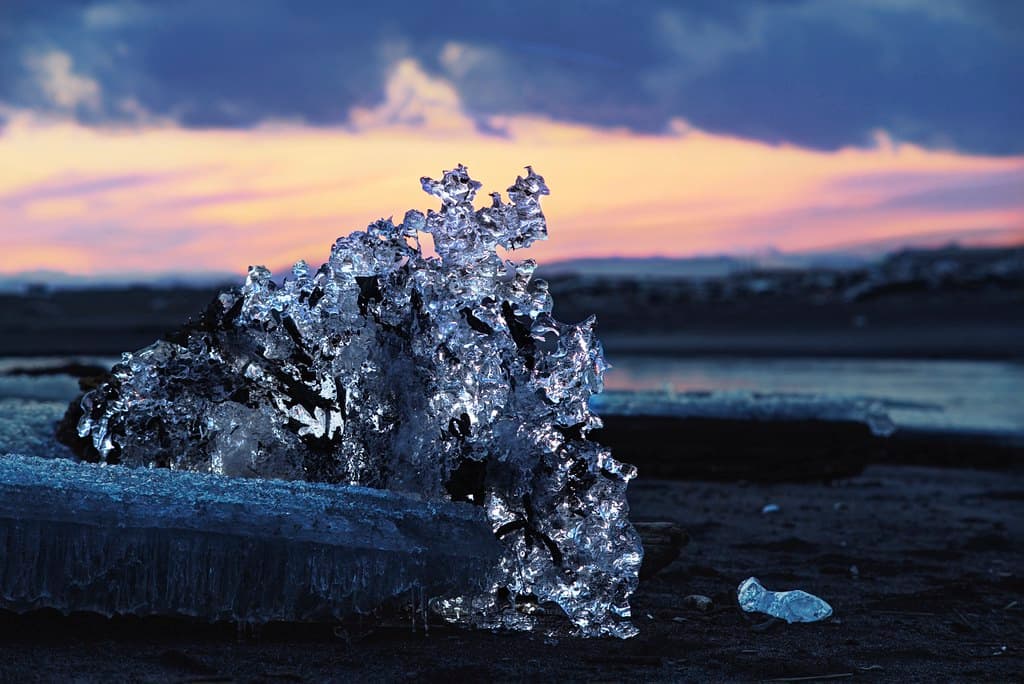
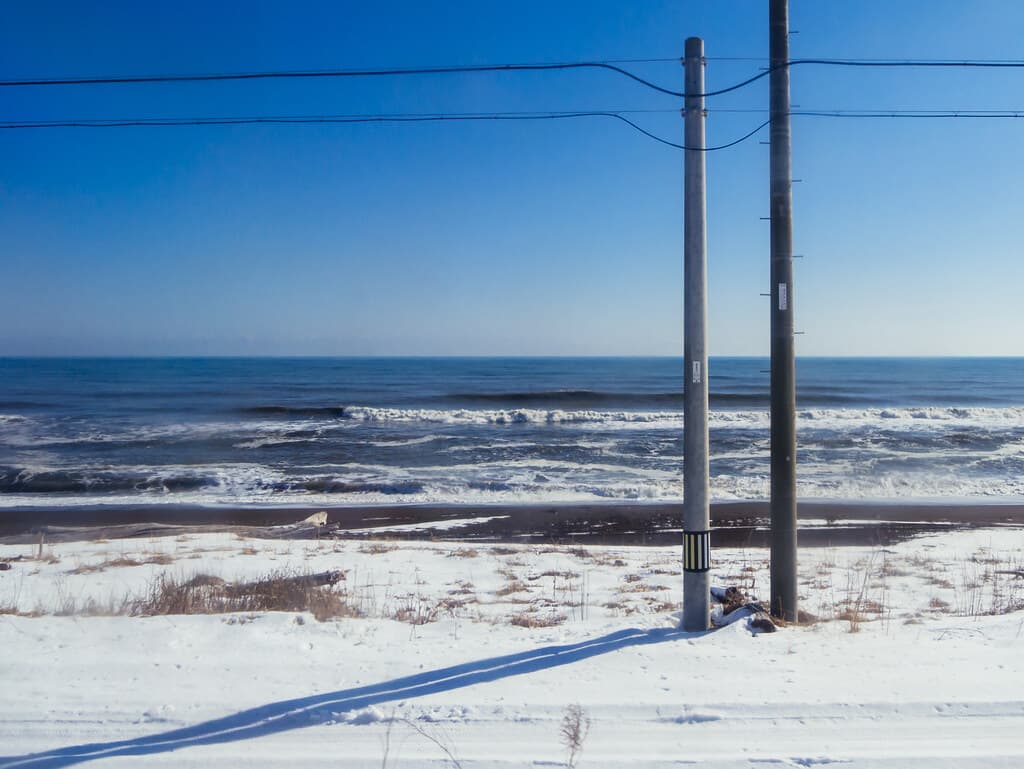
The Akan River arrives at the Pacific without ceremony, spreading across a broad sweep of sand and stone that changes character with the tides. You'll see the demarcation line where brown river water meets the darker ocean, a visual seam that shifts and blurs as currents tangle. Behind you, the coastal wetlands of eastern Hokkaido stretch inland, their grasses rustling in the steady wind that comes off the water. This is not a beach for swimming or sunbathing—the water stays cold year-round, and the currents where river meets sea can be unpredictable. What draws you here is the raw geography itself. Driftwood logs, bleached silver by sun and salt, pile against the upper beach. Shorebirds probe the sand at low tide, and if you time your visit for migration season, you'll witness thousands of waterfowl using the wetlands as a stopover. The air tastes of iodine and river silt. In winter, ice formations cling to the shoreline, and snow blankets the surrounding forest; in summer, sea fog rolls in by late afternoon, softening the horizon. Kushiro's fishing heritage is palpable here—trawlers work the offshore waters, and the city's seafood markets are a short drive away. The beach itself remains largely uncommercialized, a working landscape where natural processes take precedence over tourism. You'll leave with sand in your boots and the understanding that some coasts resist easy categorization.
Places, rentals, tours and events within walking and driving distance of Akan River Mouth Beach.
Photos
Swimming at Akan River Mouth Beach is generally not recommended. The meeting point of the Akan River and the Pacific Ocean creates unpredictable currents and water conditions that can be hazardous. The water temperatures in Hokkaido remain cold even in summer, typically ranging from 15-20°C. The beach is primarily valued for its scenic beauty and wildlife observation rather than recreational swimming. Visitors should exercise caution near the water's edge and supervise children closely due to changing tides and currents.
While accessible year-round, summer (June-August) offers the most comfortable weather with temperatures around 15-20°C and longer daylight hours for photography and birdwatching. Winter visits provide dramatic scenery with possible ice formations and fewer crowds, though temperatures drop below freezing. Spring and autumn offer excellent opportunities to observe migratory birds. Early morning visits any season provide stunning sunrise views over the Pacific Ocean. Weather in Kushiro can be foggy and cool even in summer, so bring layers regardless of season.
From central Kushiro, the beach is approximately 20 minutes by car heading southeast toward the Pacific coast. Follow Route 44 and look for signs toward the river mouth area. Public transportation options are limited, so rental car or taxi is recommended. There is basic parking available near the beach access points, though facilities are minimal. The area is relatively undeveloped compared to major tourist beaches. If using public transport, city buses serve the general vicinity, but expect a walk to reach the actual river mouth.
The immediate beach area has minimal facilities, being a natural scenic spot rather than a developed resort. For dining and accommodation, stay in central Kushiro, about 20 minutes away, which offers numerous hotels, ryokans, and restaurants featuring fresh Hokkaido seafood. Kushiro is famous for its robatayaki grilled seafood and local specialty sanma (Pacific saury). Some visitors combine beach visits with stays at Lake Akan resorts further inland. Convenience stores in Kushiro allow you to pack provisions for beach visits.
The river mouth ecosystem attracts diverse wildlife, particularly birds. Depending on season, you may spot white-tailed eagles, whooper swans, various duck species, and seabirds. The mixing of fresh and saltwater creates rich feeding grounds that draw migrating species in spring and autumn. Seals occasionally appear offshore. The tidal flats expose at low tide, attracting wading birds. Early morning offers the best wildlife viewing opportunities. Bring binoculars for birdwatching, as this estuarine environment is ecologically significant within the Kushiro wetlands region.