Counting the waves…
Counting the waves…

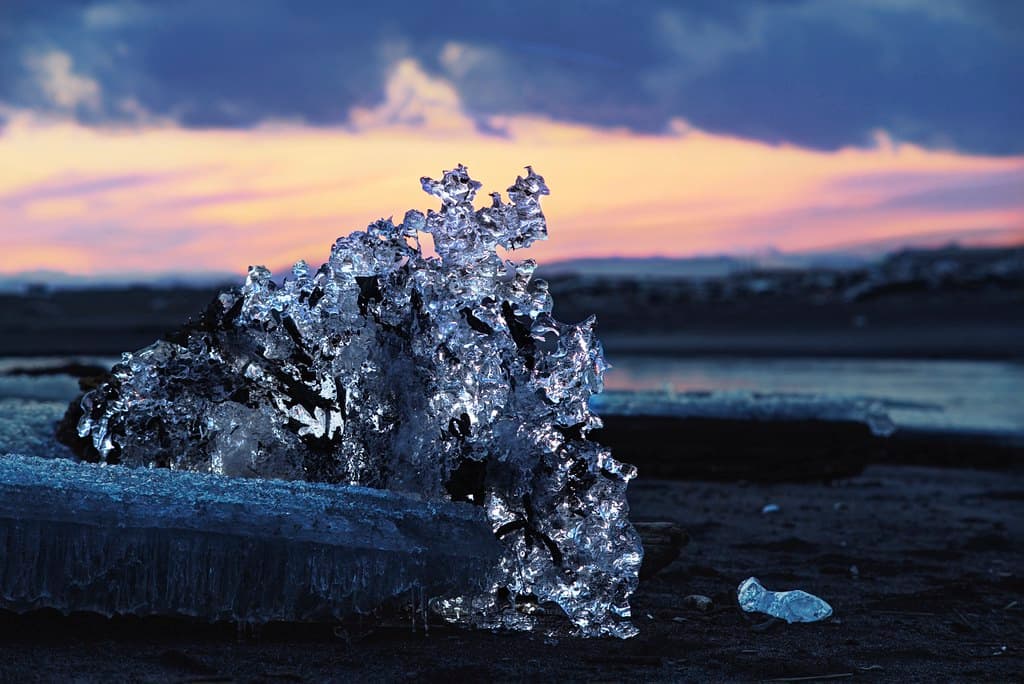
Kushiro Beach sits at the edge of contradiction: a working port city framed by wetland wilderness, where red-crowned cranes forage in marshes barely inland and container ships glide past on slate-gray water. The sand here runs charcoal and pewter, volcanic in origin, cool underfoot even in July. Mist hangs low most mornings, burning off to reveal the long, flat strand that locals walk year-round, bundled against the subarctic wind. Sunset is the main event. As the light drops, the horizon turns tangerine and rose, silhouetting the industrial skyline—cranes, silos, and the occasional fishing trawler. It's an unexpectedly beautiful collision of nature and infrastructure, the kind of scene that feels honest rather than composed. Photographers arrive with tripods; couples linger near the seawall. This isn't a beach for swimming—the water hovers around 15°C even in August—but for walking, thinking, and watching the Pacific do its slow, relentless work. You'll share the sand with gulls, the occasional seal, and locals who treat the shore like an extension of their living room. Kushiro Beach doesn't perform for visitors. It simply exists, raw and unpolished, offering the rare luxury of a coast that asks nothing of you.
Places, rentals, tours and events within walking and driving distance of Kushiro Beach.
Photos
Swimming at Kushiro Beach is generally not recommended due to cold water temperatures year-round, strong currents, and unpredictable weather conditions typical of Hokkaido's Pacific coast. The beach lacks designated lifeguard services and swimming facilities. Most visitors enjoy Kushiro Beach for walking, beachcombing, and photography rather than swimming. If you're interested in water activities in the area, consider visiting during summer months and check local conditions first, though the beach is primarily appreciated for its scenic coastal views and sunset watching rather than swimming.
Kushiro Beach can be visited year-round, with each season offering distinct experiences. Summer (June-August) provides the mildest weather with temperatures around 15-20°C, ideal for beach walks. The area is famous for stunning sunsets, particularly beautiful during summer evenings and autumn months. Winter visits offer dramatic, moody seascapes though temperatures drop below freezing. Kushiro experiences frequent fog, especially in summer, which can create atmospheric coastal scenes. For sunset photography and comfortable walking conditions, late spring through early autumn (May-September) is most popular among visitors.
Kushiro Beach is easily accessible from central Kushiro city. From JR Kushiro Station, you can take local buses toward the coastal areas or taxi (approximately 15-20 minutes). If driving, the beach is accessible via Route 38 and nearby coastal roads. Free parking areas are generally available near the beach access points, though specific lot locations may vary along the coastline. Renting a car provides the most flexibility for exploring different sections of the beach and surrounding coastal areas at your own pace.
Kushiro Beach itself has limited on-site facilities, but Kushiro city center offers numerous restaurants, hotels, and amenities within a short drive. The city is famous for fresh seafood, particularly Pacific saury and kaisendon (seafood rice bowls). You'll find accommodations ranging from business hotels to traditional ryokans in central Kushiro. For beach visits, consider bringing supplies as immediate beachfront services are minimal. The nearby Kushiro Fisherman's Wharf MOO offers seafood restaurants and shopping. Convenience stores and cafes are available throughout the city for quick meals and supplies.
Yes, Kushiro Beach is renowned for spectacular sunset views over the Pacific Ocean, making it one of the best sunset-viewing spots in eastern Hokkaido. The western sections of the beach offer particularly stunning vantage points as the sun sets over the ocean horizon. The area's frequent fog can either enhance the dramatic atmosphere or obscure views, so sunset visibility varies by day. Summer evenings provide the latest sunset times and comfortable viewing conditions. The combination of coastal landscape and colorful skies attracts photographers year-round, especially during clear weather conditions.