Counting the waves…
Counting the waves…
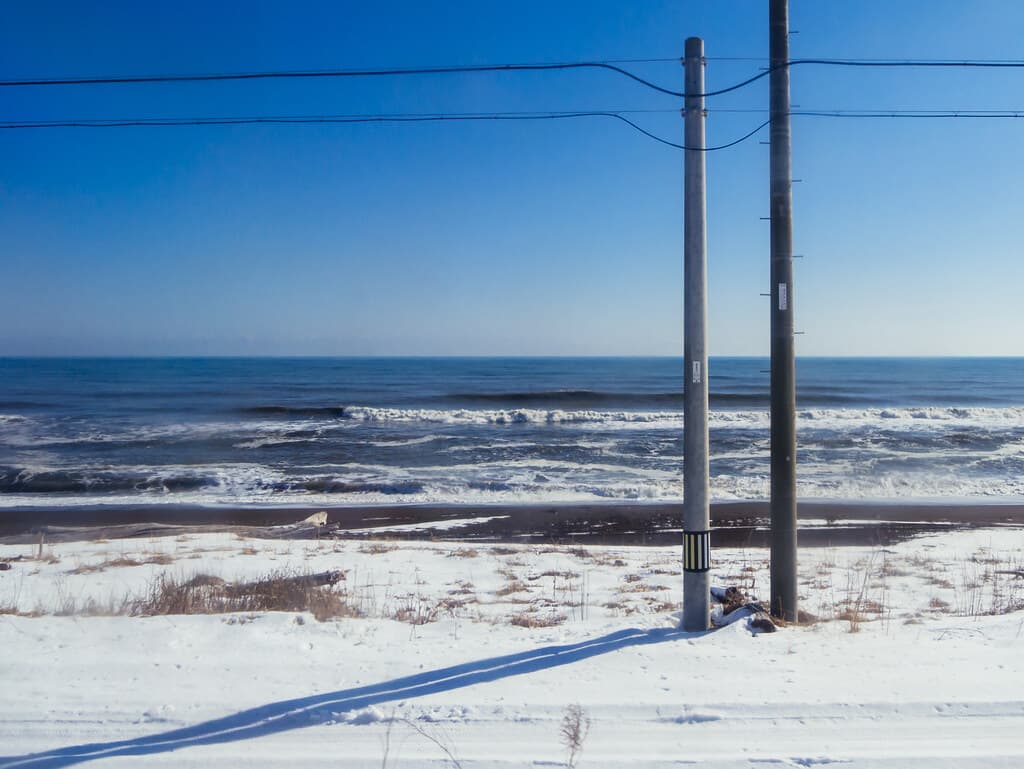
Shirito Beach stretches along Kushiro's southeastern edge, where the untamed wetlands of Hokkaido bleed into the cold currents of the Pacific. You'll walk on pebbled sand that crunches underfoot, scoured smooth by persistent coastal winds and the pull of tides that expose tide pools thick with sea stars and kelp. The water remains bracing year-round—this is no swimming beach in the tropical sense—but the shore rewards those who come to observe rather than plunge. Mornings bring fog banks that roll in from the ocean, blurring the line between sea and sky. Red-crowned cranes sometimes wander from the adjacent marshes to forage at the wrack line, their silhouettes stark against the grey-blue horizon. Families spread blankets on the upper beach during summer afternoons, building driftwood forts while fishermen cast lines from the rocky points that bookend the strand. The beach empties by late afternoon, leaving the shore to dog walkers and photographers chasing the amber light that flares just before sunset. In winter, the sand hardens under frost, and ice forms along the tideline in delicate shelves. This is a beach that asks you to slow down, to notice the small dramas playing out in shallow water and along the margins where land gives way to sea.
Places, rentals, tours and events within walking and driving distance of Shirito Beach.
Photos
Shirito Beach is generally calm with gentle waves, making it safer than many Pacific-facing beaches. However, swimming conditions vary seasonally. Summer months offer the warmest water temperatures, though Hokkaido waters remain quite cool even in peak season. The beach lacks lifeguards and designated swimming areas, so exercise caution and monitor children closely. Strong currents can occur unpredictably. Most visitors enjoy the beach for walking, photography, and wading rather than swimming. Always check local weather conditions before visiting, as coastal weather in Kushiro can change rapidly.
Shirito Beach offers year-round appeal with distinct seasonal experiences. Summer (July-August) provides the warmest weather for beach activities, though temperatures remain mild compared to mainland Japan. Spring and autumn offer excellent conditions for scenic walks with fewer crowds and dramatic coastal light. Winter transforms the beach with unique ice formations and potential views of drift ice, though temperatures drop significantly. Kushiro's coastal climate means fog is common, particularly in summer. Early morning visits often provide clearer skies and better photography opportunities regardless of season.
Shirito Beach is located approximately 20 kilometers west of central Kushiro. The most practical access is by car, taking around 30 minutes from downtown Kushiro via Route 44. Public transportation options are limited in this coastal area. Free parking is typically available near the beach access points, though facilities are basic. Car rental in Kushiro is recommended for visiting Shirito Beach and exploring the surrounding coastal areas. The beach is part of a longer coastal stretch, so navigation apps are helpful for locating specific access points.
Shirito Beach has minimal on-site amenities, reflecting its natural, undeveloped character. There are no restaurants, shops, or facilities directly at the beach. Visitors should bring their own food, drinks, and supplies. Basic restroom facilities may be available at certain access points but cannot be guaranteed. The nearest services, including convenience stores, restaurants, and accommodations, are found in Kushiro city, approximately 20-30 minutes away by car. Pack essentials including water, snacks, and weather-appropriate gear when planning your visit to this remote coastal area.
Shirito Beach's location along Hokkaido's eastern coast makes it a good spot for wildlife observation. Seabirds are commonly seen year-round, with various species feeding along the shoreline. The Kushiro region is famous for red-crowned cranes, and while they're more commonly spotted inland at wetland areas, coastal sightings are possible, particularly in winter. Marine life including seals occasionally appears offshore. The beach's calm, undeveloped nature supports diverse coastal ecosystems. Bring binoculars for better wildlife viewing, and maintain respectful distances from any animals encountered.