Counting the waves…
Counting the waves…
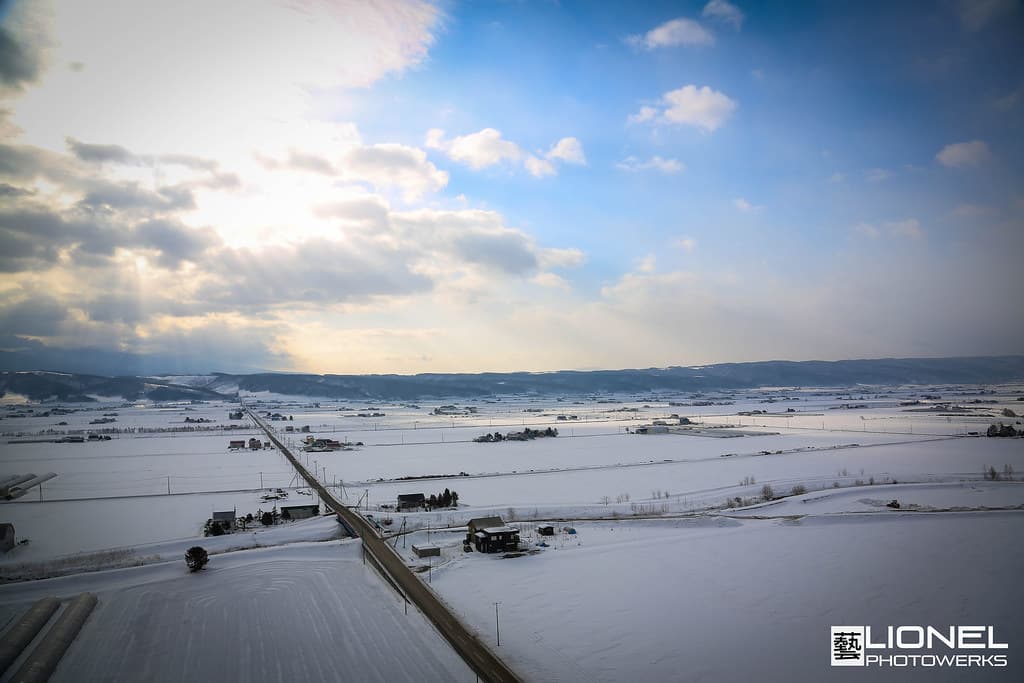
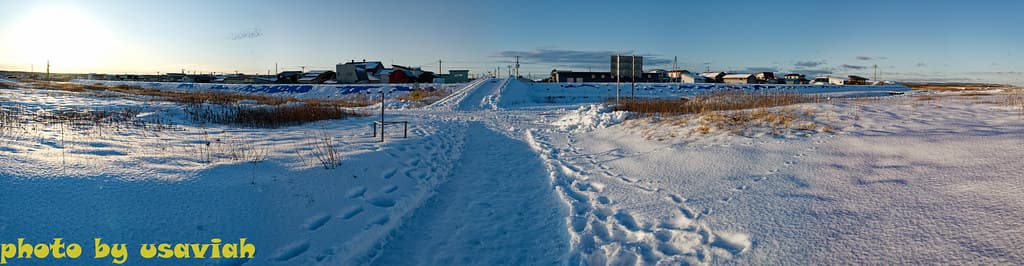
You arrive to find a beach that refuses to perform. Satsunai stretches along the Tokachi coast without lifeguards, without rental umbrellas, without the infrastructure of leisure. The sand here is charcoal-dark, volcanic grit that clings to your ankles and heats quickly under the rare Hokkaido sun. Fishing boats rest on wooden rollers above the tide line, their hulls streaked with rust and brine. The Pacific here is temperamental—grey-green in summer, slate in winter, always restless. You walk the shore past tangles of kelp thick as your wrist, past driftwood smoothed into abstract forms by months of wave action. Locals come early, before the wind picks up, to check the water or collect fishing gear. By afternoon, the beach empties except for the occasional dog walker and the gulls working the wrack line. This is Hokkaido's working coast, not its postcard version. The air smells of iodine and diesel. A small parking area sits just off the coastal road; no facilities, no fees, no fuss. In winter, sea smoke rises from the water when polar air meets the current. In summer, families from Makubetsu drive over for an hour, spread blankets in the lee of driftwood piles, and let their children chase the shallow waves. You come here not to be entertained but to witness the ocean doing what it does—relentless, indifferent, honest.
Places, rentals, tours and events within walking and driving distance of Satsunai Beach.
Photos
Satsunai Beach is primarily a local shoreline with limited lifeguard services and swimming infrastructure. The waters along Hokkaido's Pacific coast can be cold year-round, typically ranging from 8-18°C, which makes swimming challenging even in summer. Currents and waves can be unpredictable in this area. Most visitors use this beach for walking, beachcombing, and scenic photography rather than swimming. If you do enter the water, exercise caution, check local conditions, and never swim alone or venture far from shore.
Satsunai Beach is accessible year-round, with each season offering different experiences. Summer (June-August) provides the mildest weather for beachcombing and coastal walks, though it can still be cool and windy. Spring and autumn offer dramatic seascapes with fewer visitors, ideal for photography. Winter transforms the beach with ice formations and snowy coastal scenery. As a local-use beach, it rarely gets crowded regardless of season. Weather along Hokkaido's Pacific coast can change quickly, so bring layers and wind protection whenever you visit.
Satsunai Beach is located in Makubetsu, a small town in Hokkaido's Tokachi region. The most practical way to reach it is by car, as public transportation options are limited in this rural coastal area. From Obihiro city (the nearest major hub), the drive takes approximately 40-50 minutes. Parking availability varies depending on the specific beach access point, with informal roadside parking typically used by locals. A rental car is highly recommended for visiting this remote beach and exploring the surrounding Tokachi coastline.
Satsunai Beach is in a rural coastal area with minimal facilities directly beachside. Makubetsu town, a short drive inland, offers basic services including small restaurants and shops, though options are limited. For more comprehensive dining and lodging choices, Obihiro city (40-50 minutes away) serves as the main base, featuring hotels, guesthouses, and restaurants. The Tokachi region is known for excellent dairy products and fresh seafood. Most visitors treat this as a day trip destination, bringing supplies with them and staying in nearby towns.
Satsunai Beach epitomizes Hokkaido's rugged, undeveloped Pacific coastline, offering an authentic local experience without tourist infrastructure. Unlike popular beaches with facilities and crowds, this shoreline remains largely as locals use it—natural, quiet, and uncommercialized. The beach provides insight into everyday coastal life in rural Tokachi, with dramatic Pacific Ocean views and raw natural beauty. It's ideal for travellers seeking solitude, authentic Japanese rural landscapes, and a genuine sense of discovery away from conventional tourist circuits in Hokkaido.