Counting the waves…
Counting the waves…

The beach begins where Obihiro's dairy farms end, a flat expanse of charcoal-grey sand that seems to run uninterrupted toward the horizon. You'll recognize Tokachi by its sheer width—the tide retreats so far that the waterline becomes a distant rumor, leaving a vast intertidal plain ribbed with wave patterns. Wind is the constant companion here, bending the marram grass on the dunes and sending sand devils skittering across your path. In winter, ice chunks the size of refrigerators wash ashore, remnants of Hokkaido's drift-ice season, glinting under thin sunlight. The Pacific rollers arrive with a rhythmic insistence, their white crests visible long before they break. You'll feel the cold even in summer—this is northern ocean water, bracing and unforgiving, more suited to contemplation than casual swimming. Locals drive out with thermoses of hot tea, parking along the shoreline road to watch the light change. Sunset is the main event: the sun drops into the water, turning the wet sand into a mirror, and for twenty minutes the entire beach glows amber and rose. There's no resort development, no beach clubs, just the elemental meeting of land and sea. You park, you walk, you stand in the wind and feel small. The city of Obihiro sits ten kilometers inland, a farming hub known for pork bowls and beet fields, but the beach pulls you out of the everyday and into something wilder, a reminder that Hokkaido's edge is still largely untamed.
Places, rentals, tours and events within walking and driving distance of Tokachi Beach.
Photos
Swimming at Tokachi Beach requires caution due to strong Pacific currents and cold water temperatures, even in summer. The beach lacks lifeguards and designated swimming areas, so most visitors enjoy it primarily for walking, photography, and scenery rather than swimming. Water temperatures remain quite cold year-round, typical of Hokkaido's Pacific coast. If you do enter the water, stay close to shore and be extremely mindful of waves and undertows. Always check local conditions and weather forecasts before visiting.
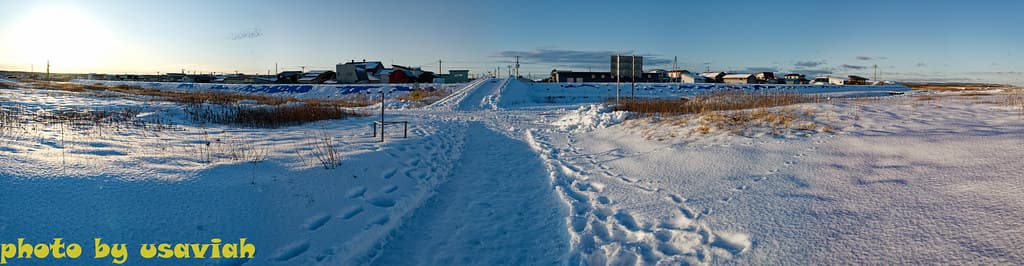
Tokachi Beach offers different appeals year-round. Summer (June-August) provides the mildest weather for beach walks, though it remains cooler than mainland Japan beaches. Winter brings dramatic scenery with possible sea ice and snow-covered shores. The beach is particularly famous for spectacular sunrises over the Pacific Ocean, making early morning visits rewarding in any season. Sunset views can also be stunning depending on the time of year. Spring and autumn offer fewer crowds while still providing pleasant conditions for photography and coastal walks.
Tokachi Beach is located approximately 30-40 minutes by car from central Obihiro. The most practical way to reach it is by rental car, as public transportation options are limited. There is free parking available near the beach access points. From Obihiro Station, you would need to take a local bus toward Toyokoro, though services are infrequent. Driving offers the most flexibility for exploring this scenic coastal area and nearby attractions along Hokkaido's Pacific coast.
Tokachi Beach itself has minimal facilities, with few restaurants or shops in the immediate vicinity. The area is relatively undeveloped compared to urban beaches. Most visitors base themselves in Obihiro city, about 30-40 minutes away, which offers numerous hotels, restaurants, and full amenities. Some small towns along the coast toward Toyokoro have basic services and local eateries. It's advisable to bring your own food and drinks if planning an extended beach visit, and arrange accommodation in Obihiro for greater dining and lodging options.
Tokachi Beach is renowned for its expansive, wide Pacific shoreline stretching for kilometers with relatively few developments, offering an untouched coastal experience. The beach provides unobstructed views of the Pacific Ocean, making it exceptional for sunrise photography. The area represents Hokkaido's rugged southeastern coast, with dramatic seasonal changes including possible drift ice in winter. The vast, open beach landscape contrasts with many of Japan's more developed coastal areas, offering visitors a sense of natural isolation and the raw beauty of Hokkaido's maritime environment.