
Counting the waves…
Counting the waves…

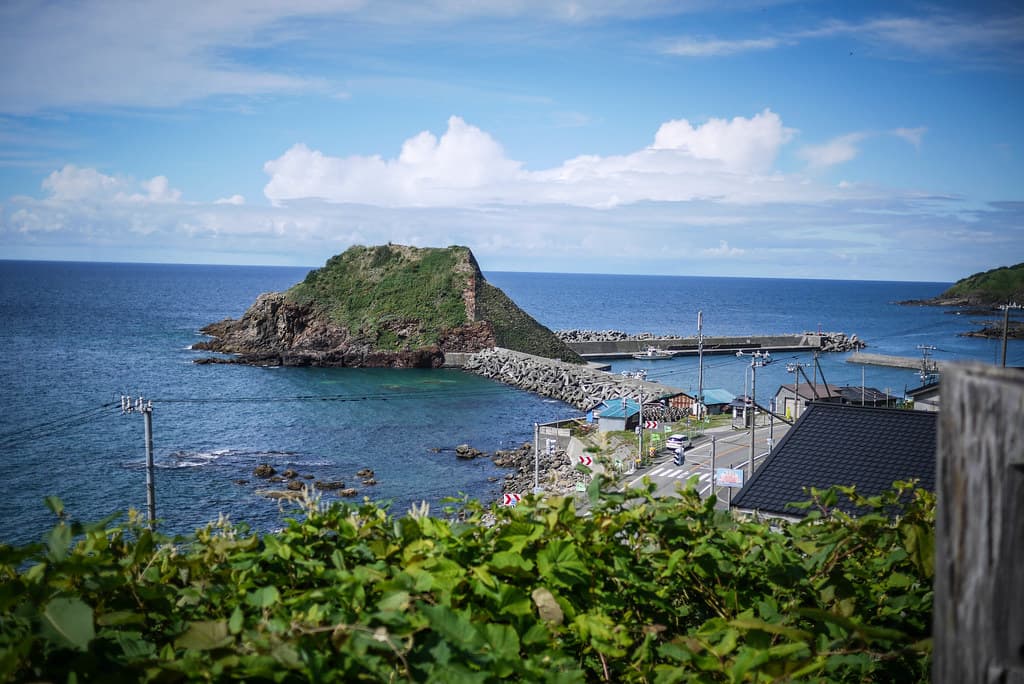
The sand at Hamamasu Beach isn't golden—it's anthracite, flecked with basalt fragments that click beneath your sandals like worry stones. You park roadside where pines lean landward, shaped by decades of northwest winds, and walk down a gentle slope to a shoreline that stretches north and south with almost no interruption. Fishing boats dot the horizon, and the air carries kelp, salt, and the faint diesel of Mashike's working harbor a few kilometers south. This is not a beach of umbrellas and lifeguard towers. You'll share the sand with beachcombers hunting sea glass, the occasional surfer waiting for swell, and cormorants drying their wings on weathered pilings. The water is bracing even in August—Hokkaido's Sea of Japan coast doesn't coddle—but the cold is honest, and the swimming area remains unmarked, ungroomed, left to your own judgment. Come at dusk in autumn and you'll watch the sun drop behind the offshore horizon in shades of persimmon and slate, the kind of light that makes you forget your phone exists. Hamamasu doesn't perform. It simply exists, a functional shoreline where the land meets the sea without ceremony, and that absence of pageantry is exactly why you'll remember it.
Places, rentals, tours and events within walking and driving distance of Hamamasu Beach.
Photos
Hamamasu Beach has relatively calm waters during summer months, but swimming conditions depend heavily on weather and sea conditions. There are typically no lifeguards on duty, so exercise caution and swim at your own risk. The beach is more popular for scenic walks and photography than swimming. Check local weather forecasts before visiting, as Hokkaido's Sea of Japan coast can experience strong currents and waves, particularly during autumn and winter. If you plan to swim, go during settled weather and stay close to shore.
While Hamamasu Beach can be visited year-round, each season offers different experiences. Summer (July-August) provides the warmest weather for beach activities and swimming. Autumn brings dramatic seascapes and fewer crowds. Winter transforms the beach with snow-covered landscapes and powerful waves, ideal for photography. Spring offers mild temperatures and peaceful surroundings. The beach is relatively quiet throughout the year due to its off-the-beaten-path location. For swimming, visit July through early September; for scenic photography and solitude, consider shoulder seasons or winter.
Hamamasu Beach is located in Mashike, northwestern Hokkaido, best accessed by car. From Sapporo, drive approximately 2-2.5 hours north via Route 231 along the coast. Public transportation is limited; the nearest train station is Mashike Station, but you'll need a taxi or rental car for the final stretch. Free parking is typically available near the beach access points. The coastal drive along Route 231 is scenic but can be challenging in winter due to snow and ice, so check road conditions before traveling.
Mashike is a small coastal town with limited but authentic dining options, particularly known for fresh seafood. You'll find local restaurants serving Hokkaido specialties in Mashike town center, about 10-15 minutes from the beach. Accommodation options include small guesthouses and minshuku (Japanese-style B&Bs) rather than large hotels. For more extensive lodging and dining choices, consider staying in nearby Rumoi or Otaru. It's advisable to arrange meals and accommodation in advance, especially during peak summer months, as options are limited in this rural area.
Hamamasu Beach remains largely undiscovered compared to Hokkaido's more famous coastal spots, offering an authentic, uncrowded experience. Its remote location in Mashike keeps tourist numbers low, making it ideal for travelers seeking solitude and unspoiled natural beauty. The beach features dramatic coastal scenery with rugged shorelines and clear views across the Sea of Japan. Local photographers appreciate its sunset views and seasonal character changes. Unlike developed beach resorts, Hamamasu retains a wild, natural atmosphere with minimal commercial development, appealing to those who prefer authentic coastal landscapes over tourist infrastructure.