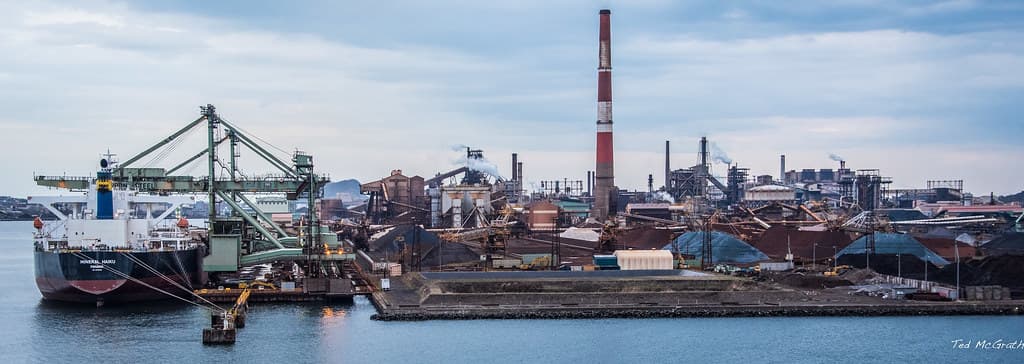
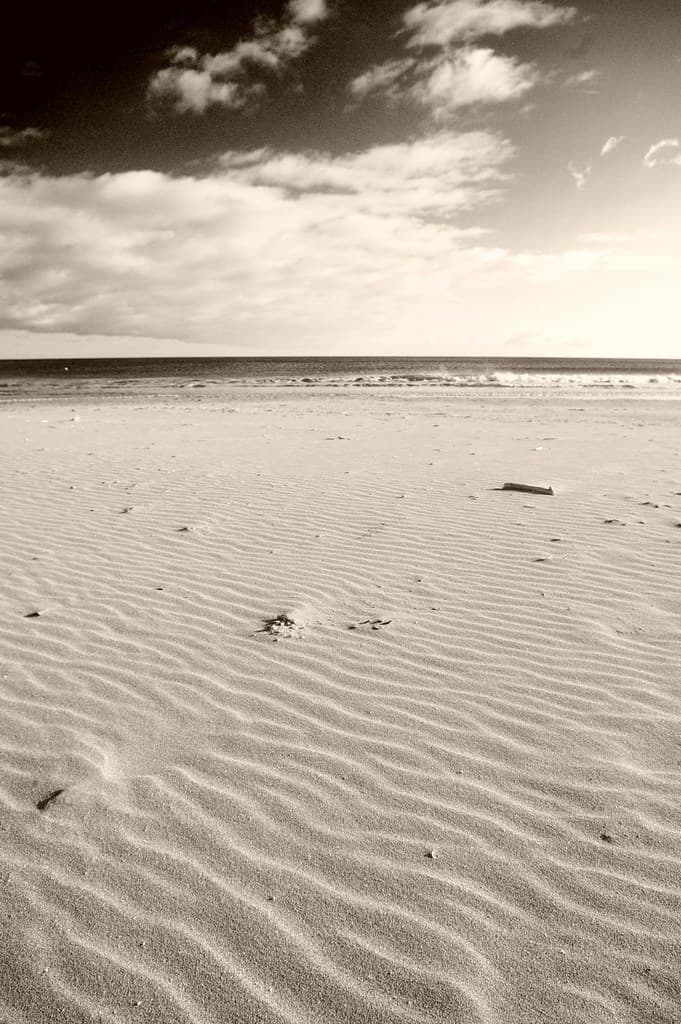
Counting the waves…
Counting the waves…
Etomo Beach sprawls beneath the steep capes that frame Muroran's industrial port, a rugged shoreline where hexagonal basalt pillars jut from the sand like organ pipes frozen mid-chord. The beach curves along the Pacific, hemmed by forested bluffs that muffle the hum of the city above. At low tide, tide pools dimple the exposed rock shelves, revealing urchins and anemones clinging to volcanic stone worn smooth by millennia of swells. The water here is frigid even in August—the Oyashio Current ensures that—but you come for the landscape, not the swim. Wind sculpts the pines on the headlands into bonsai silhouettes, and on overcast days the sea turns pewter, blending with the sky until only the white crash of breakers marks the horizon. Local anglers favor the northern rocks for flounder; you'll see them in waders, patient against the spray. Winter transforms Etomo into something elemental. Pack ice drifts past offshore, and hoarfrost beards the driftwood logs stacked above the high-tide line. The beach never closes, never crowds. You'll share it with crows, the occasional red fox, and the sense that Hokkaido's coastline still holds places where the land simply ends, abrupt and honest.
Places, rentals, tours and events within walking and driving distance of Etomo Beach.
Photos
Etomo Beach is primarily known for its rugged, rocky coastline rather than swimming. The area features dramatic cliffs and volcanic rock formations, making it unsuitable for typical beach swimming. Strong currents and rocky shores can be hazardous. Visitors come mainly for scenic walks, photography, and observing the unique coastal geology. If you're seeking swimming beaches in Hokkaido, consider gentler sandy beaches elsewhere. Always exercise caution near the water's edge and observe posted safety signs.
Etomo Beach can be visited year-round, with each season offering distinct experiences. Summer (June-August) provides the mildest weather for coastal walks and photography. Autumn brings stunning foliage colours against the rugged coastline. Winter transforms the area with dramatic sea ice and snow-covered cliffs, though conditions can be harsh. Spring offers comfortable temperatures as snow melts. The beach is less crowded than major tourist spots regardless of season. Morning light is particularly beautiful for photography of the coastal rock formations.
Etomo Beach is located along Muroran's scenic coastal road, accessible by car or local bus from central Muroran. By car, follow Route 36 and look for signs to Etomo area; free parking is typically available near the beach access points. From JR Higashi-Muroran Station, local buses run toward the coastal areas, though service may be infrequent. A rental car offers the most flexibility for exploring Muroran's coastline. The drive from central Muroran takes approximately 15-20 minutes.
Etomo Beach is a relatively undeveloped coastal area with limited immediate amenities. You'll find more dining and lodging options in central Muroran, about 15-20 minutes away by car. Muroran offers various accommodations from business hotels to hot spring resorts, plus restaurants serving fresh Hokkaido seafood and local specialties. It's advisable to bring water and snacks if planning an extended visit to the beach area. Some visitors combine Etomo Beach with nearby Cape Chikyu or other Muroran coastal attractions.
Etomo Beach showcases distinctive volcanic rock formations shaped by centuries of wave erosion and geological activity. The rugged coastline features dramatic cliffs, sea stacks, and uniquely weathered rocks that exemplify Hokkaido's volcanic origins. The dark volcanic stones contrast beautifully with the sea, creating excellent photography opportunities. These formations are part of Muroran's broader geological landscape, which includes several volcanic features. The relatively hidden nature of this spot means fewer crowds and a more peaceful experience for geology enthusiasts and photographers.