Counting the waves…
Counting the waves…
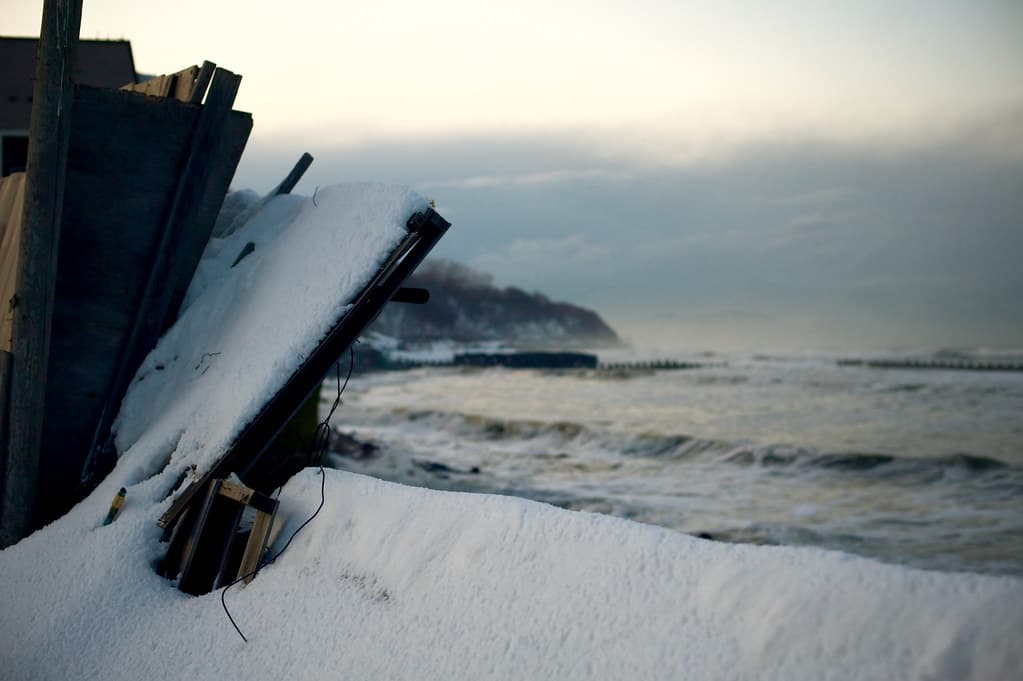
The beach curves gently beneath the coastal hills of Otaru, a thirty-minute drive from the canal district's tour buses and music-box shops. Dark volcanic sand runs for nearly a kilometer, interrupted by rounded stones that clatter and shift with each retreating wave. In summer, the water temperature hovers around 18°C—bracing enough to keep your swim short, pleasant enough that children wade knee-deep with inflatable rings while parents watch from low beach chairs. Come in November through March and you'll have the strand almost entirely to yourself. Snow dusts the sand in lacy patterns, and the wind off the sea carries the iodine smell of winter kelp. The beach becomes a place for bundled walks and thermos coffee, for watching fishing boats work the horizon. Locals arrive with dogs and cameras, hunting for sea glass that tumbles ashore in jade greens and frosted whites. The facilities are modest—changing rooms, outdoor showers, a small rest area—but that's precisely the appeal. No hawkers, no jet skis, no bass-thumping beach clubs. Just the rhythmic conversation between water and shore, the kind of coastal simplicity that's increasingly rare along Japan's heavily developed coastlines.
Places, rentals, tours and events within walking and driving distance of Hoshimi Beach.
Photos
Hoshimi Beach is primarily known for its scenic qualities rather than swimming. The Sea of Japan waters near Otaru can be cold year-round, even in summer, and currents may be unpredictable. There are typically no lifeguards on duty, and facilities are limited. Most visitors come for strolling, photography, and enjoying the coastal views rather than water activities. If you plan to wade or swim, exercise caution, stay close to shore, and be aware that this beach lacks the supervised swimming conditions found at more developed resort beaches.
Hoshimi Beach offers different charms throughout the year. Summer (July-August) provides the warmest weather and longest daylight for exploration, though water remains cool. Spring and autumn offer pleasant temperatures for walks and photography with fewer crowds. Winter transforms the beach into a dramatic landscape with possible snow-covered shores and impressive waves, though temperatures drop significantly. Because it's a less-crowded alternative to busier Otaru beaches, visiting on weekdays or early mornings during any season provides the most peaceful experience for taking in the scenic coastal views.
Hoshimi Beach is located in Otaru, accessible by car or local bus from central Otaru. From Otaru Station, the journey typically takes 20-30 minutes depending on your route. Driving offers the most flexibility, and there is generally parking available near the beach area, though spaces may be limited during peak summer weekends. Local buses operate along the coastal route, but schedules may be infrequent, so check times in advance. A rental car provides the easiest access if you're exploring multiple spots around Otaru and the surrounding Hokkaido coastline.
As a less-developed beach destination, Hoshimi Beach has limited facilities directly onsite. You'll find more dining and accommodation options in central Otaru, about 20-30 minutes away, which offers fresh seafood restaurants, sushi shops, and various hotels and guesthouses. Otaru is famous for its seafood, particularly at the Sankaku Fish Market and canal-area restaurants. For convenience, consider staying in Otaru city and making Hoshimi Beach a day trip. Bring snacks and water if spending extended time at the beach, as immediate facilities are minimal.
Hoshimi Beach appeals to travellers seeking a quieter, more natural coastal experience away from Otaru's busier tourist spots. While beaches like Otaru Dream Beach attract larger crowds with facilities and activities, Hoshimi offers peaceful scenery ideal for contemplative walks, photography, and escaping the tourist rush. The less-developed nature means fewer amenities but also more tranquility and authentic Hokkaido coastline atmosphere. It's particularly suited for families wanting relaxed beach time, photographers capturing dramatic Sea of Japan landscapes, and visitors prioritizing serenity over beach resort conveniences.