Counting the waves…
Counting the waves…
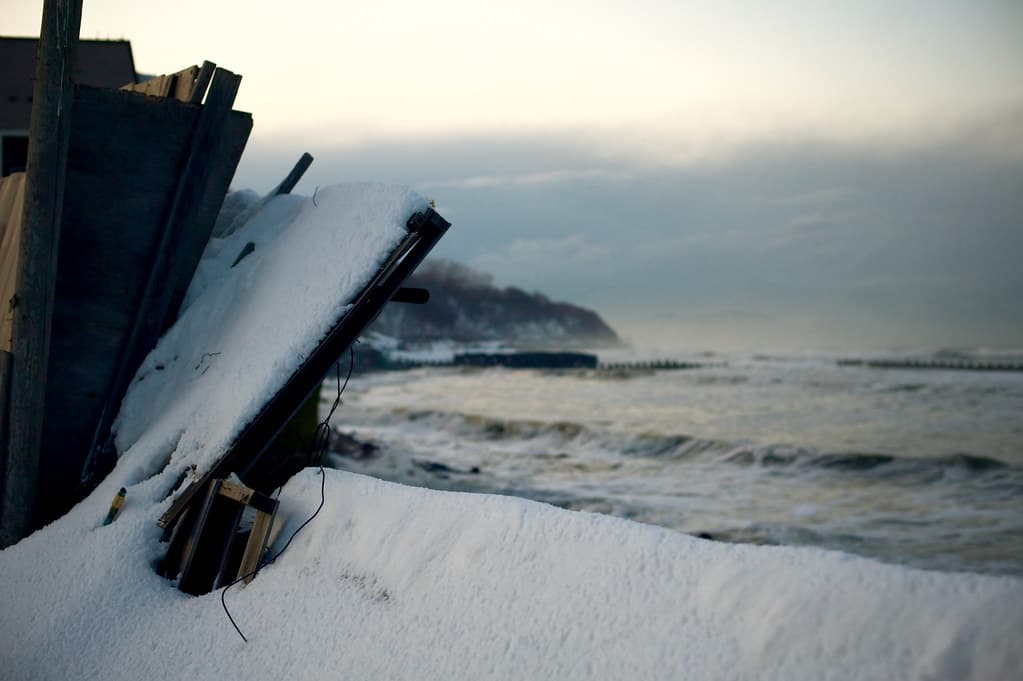
Asarigawa Beach unfolds along a kilometer of grey-brown pebbles where the Asari River meets the Sea of Japan, a twenty-minute train ride from Otaru's famous glassworks and music-box shops. You'll walk across stones that clatter underfoot—smooth ovals the size of your palm polished by centuries of wave action—while the wind carries the briny tang of kelp and salt spray. The beach remains largely unmanicured: no parasol rentals, no snack shacks, just an open stretch of coastline backed by tetrapods and a quiet residential neighborhood where laundry flutters on apartment balconies. Families arrive in the warmer months with coolers and portable grills, claiming spots near the waterline where children hunt for sea glass and skip stones across the moderate surf. The water stays bracingly cold even in July—this is Hokkaido, after all—but that doesn't deter determined swimmers or the occasional wetsuit-clad surfer testing the inconsistent breaks. In winter, the demographic shifts entirely: photographers brave sub-zero temperatures to capture the beach under snow, the grey sea churning beneath a pewter sky, ice formations clinging to the breakwater rocks. What draws you here isn't spectacle but reprieve. While tour buses idle at the Otaru Canal, Asarigawa offers the increasingly rare commodity of solitude on Japan's crowded coasts. The beach asks little of you—bring your own shade, pack out your trash—and gives in return an unfiltered encounter with Hokkaido's unvarnished northern shore.
Places, rentals, tours and events within walking and driving distance of Asarigawa Beach.
Photos
Asarigawa Beach is generally calm and suitable for wading and paddling, making it popular with families. However, swimming conditions vary seasonally. The water is quite cold even in summer due to Hokkaido's northern location. There are no lifeguards on duty, so swimmers should exercise caution. The beach has gentle waves and a gradual slope, which is safer for children under supervision. Always check local weather conditions before entering the water, as currents can strengthen during storms or high winds.
Summer months (July to August) offer the warmest weather for beach activities, with temperatures reaching 20-25°C, though the water remains chilly. Spring and autumn provide scenic coastal walks with fewer crowds and beautiful seasonal colours. Winter transforms the beach into a dramatic snow-covered landscape, popular for photography and romantic strolls. The beach is accessible year-round, but amenities are limited outside summer. Visit during weekdays for a quieter experience, as weekends attract more local families from nearby Otaru.
Asarigawa Beach is located about 20 minutes by car from central Otaru. Drive along Route 5 toward Sapporo, then follow signs to the beach area. Free parking is available near the beach, with spaces for approximately 50 vehicles. The lot fills quickly on summer weekends. By public transport, take the JR Hakodate Line to Asari Station, then walk approximately 10 minutes to the beach. Taxis from Otaru Station take about 15 minutes and cost around 2,000-2,500 yen.
Facilities at Asarigawa Beach are basic, with restrooms and changing rooms available during summer months. The beach has fewer amenities than Otaru's main beaches, contributing to its quieter atmosphere. Several small restaurants and cafes are located within walking distance along the coastal road, serving fresh seafood and local Hokkaido cuisine. For more dining options and accommodations, central Otaru is only 15-20 minutes away by car, offering hotels, ryokans, and the famous canal district with numerous restaurants and shops.
Asarigawa Beach offers a more peaceful, local experience compared to busier Otaru beaches like Zenibako or Dream Beach. Its location between Otaru and Sapporo makes it a convenient stop for travellers. The beach is particularly valued for its uncrowded shores and authentic atmosphere, attracting those seeking tranquility over facilities. Local families frequent this spot, giving visitors insight into everyday Hokkaido beach culture. The surrounding scenery, with mountains meeting the sea, provides excellent photography opportunities without the tourist crowds found at more famous locations.