
Counting the wavesβ¦
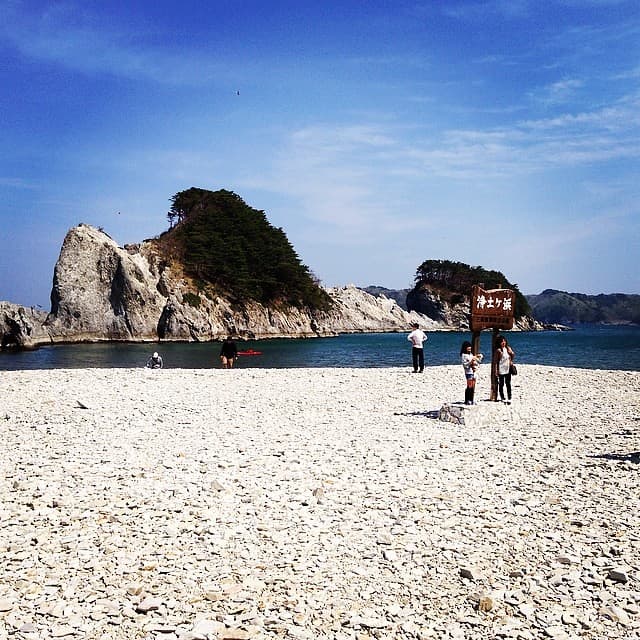
You'll need to time your visit with the tide tables posted at the trailhead. Two hours either side of low tide gives you passage through the arch without wading. Step through the opening and the Pacific's roar dampens instantlyβthe horseshoe of rock walls absorbs most of the wave energy, leaving the protected cove surprisingly calm even when whitecaps march past the headlands on either side. The sand here is coarser than you'd expect, mixed with crushed shells and fragments of sea urchin skeletons that crunch slightly underfoot. Wind has carved the surrounding sandstone into layers and curves that geology students use for textbook examples of differential erosion. Tide pools cluster near the arch's southern foundation, each one a saltwater terrarium of anemones, sea stars in rust and purple, and the occasional stranded mackerel waiting for high tide to carry it back out. Pine trees lean at forty-five-degree angles along the cliff top, shaped by decades of prevailing winds off the Pacific. Their roots snake down the rock face, finding purchase in cracks that widen imperceptibly each season. By mid-afternoon, the arch casts a shadow across half the cove, creating a natural division between sun and shade that shifts as the day progresses. The locals who know this place bring lunch and stay for hours, reading paperbacks in the shadow while children build dams in the tide pools.
Places, rentals, tours and events within walking and driving distance of Sunayama Cove.
Photos
Sunayama Cove's sheltered configuration generally provides calmer swimming conditions than exposed beaches, though conditions vary with weather and tides. The cove offers some natural protection from wind and waves. However, there are typically no lifeguards on duty, so swimmers should exercise caution and assess conditions carefully. The area near the rock arch can have currents and changing depths. Always swim with companions, avoid rough weather days, and supervise children closely. Water temperatures remain cool even in summer along the Iwate coast.
Sunayama Cove can be visited anytime throughout the year, though each season offers different experiences. Summer (July-September) provides the warmest weather for beach activities and swimming, though water stays cool. Spring and autumn offer mild weather with fewer visitors and beautiful coastal scenery. The rock arch is photogenic year-round, with dramatic lighting at sunrise or sunset. Even winter visits can be rewarding for those interested in coastal photography and dramatic seascapes, though swimming is not advisable in cold months.
Sunayama Cove is located in the Miyako area and is accessible from Miyako Station by car, taxi, or potentially local bus. A rental car provides the most flexibility for visiting this and other coastal sites. The cove is situated along the scenic Sanriku coast, typically a 15-30 minute drive from central Miyako depending on exact location. Look for signage indicating the rock arch formation, which is a notable landmark. Parking may be limited at popular times, so arrive early during peak season.
Miyako city center, a short drive away, offers the widest range of accommodation from business hotels to traditional ryokan inns and guesthouses. Many lodgings feature fresh local seafood in their meals, including the region's famous sea urchin, salmon, and wakame seaweed. Restaurants in Miyako serve both traditional Japanese cuisine and casual dining options. Some coastal areas may have small cafes or rest areas, but it's wise to pack snacks and drinks for a beach day, especially at less developed coves.
The natural rock arch at Sunayama Cove is a distinctive geological formation that makes this beach particularly photogenic and memorable. Such natural arches are created over centuries by wave erosion and are relatively rare features along coastlines. The arch frames ocean views beautifully and creates unique photo opportunities, especially during golden hour. This natural landmark distinguishes Sunayama from other beaches in the Miyako region and attracts visitors interested in coastal geology and scenic photography. The combination of cove setting and dramatic rock formation creates a quintessential Sanriku coast experience.