
Counting the waves…
Counting the waves…
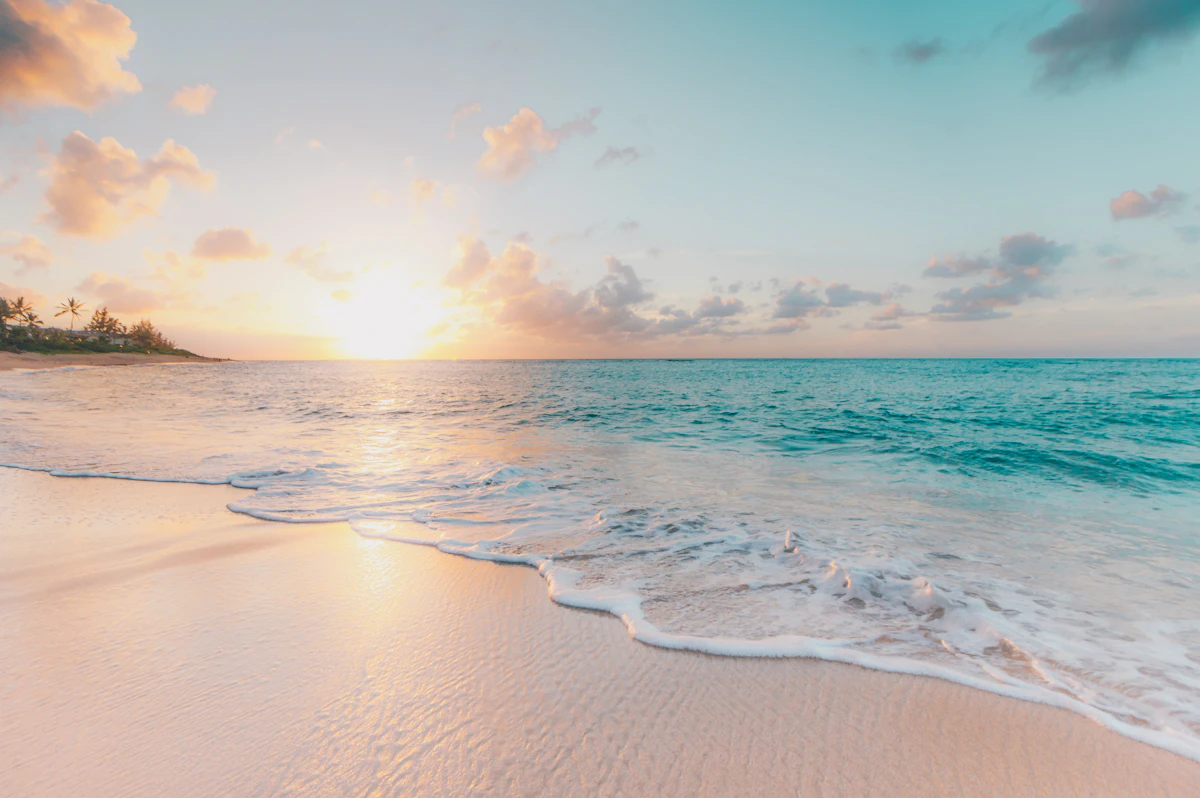
This beach earns its popularity through sheer gentleness. The slope is so gradual that low tide exposes sandbars extending far into the bay, where families set up folding chairs in ankle-deep water. The sand itself runs fine and golden, unmarred by rocks or seaweed, maintained by the city with the same attention given to public parks. Beach huts painted in primary colors line the upper shore, stocked with floaties and beach balls for rent. The bay's protection means reliable conditions—even when offshore winds whip the open ocean into whitecaps, this beach remains placid. You'll see retirees doing water aerobics in the shallows, children building elaborate sand fortresses with municipal-provided buckets, and the occasional standup paddleboarder gliding across the mirror-flat surface. Lifeguards in red caps patrol from July through August, their whistles enforcing swimming zones. Convenience defines the experience: changing rooms with coin showers, a small shop selling shaved ice and onigiri, benches positioned for shade under planted pines. The sunsets here color the bay in layers—tangerine closest to shore, cooling to violet where deeper channels cut toward the Pacific. It's the beach equivalent of a neighborhood pool, familiar and functional, built for the everyday pleasure of families who return weekend after weekend.
Places, rentals, tours and events within walking and driving distance of Takata Bay Beach.
Photos
Takata Bay Beach's calm bay waters generally provide safer swimming conditions than exposed ocean beaches, making it more suitable for families with children. The protected bay location typically means gentler waves and currents, though standard water safety precautions always apply. However, supervision is essential as lifeguard presence may be limited or seasonal. Water quality should be checked locally, and swimming should be avoided after heavy rains. The calm conditions make it appropriate for less confident swimmers, but always assess current conditions before entering. Parents should actively watch children at all times, even in seemingly calm water.
Takata Bay Beach can be visited year-round, with each season offering different experiences. Summer (July-August) provides the warmest weather for swimming and water activities, attracting families and visitors. Spring and autumn offer mild temperatures ideal for beach walks and enjoying the bay's scenery without crowds. The calm bay waters mean comfortable conditions are possible even during shoulder seasons when ocean beaches might be rough. For the most pleasant experience, May-June and September-October balance good weather with fewer visitors. Winter visits reveal peaceful coastal scenery, though swimming is not advisable due to cold temperatures.
Takata Bay Beach's urban location in Rikuzentakata makes it more accessible than remote coastal areas. The beach is reachable by car with parking available nearby, and it may be within walking or cycling distance from parts of Rikuzentakata city. Public buses serve Rikuzentakata from stations like JR Kesennuma or Ofunato, making it possible to reach without a car, though schedules should be checked in advance. From Sendai, the journey takes approximately two to three hours by car. The beach's proximity to urban amenities makes it convenient for visitors staying in Rikuzentakata.
Takata Bay Beach's urban setting in Rikuzentakata means good access to restaurants, cafes, and shops within walking distance or a short drive. Local eateries serve fresh seafood, including the region's famous Hirota Bay oysters, alongside Japanese and casual dining options. Accommodation ranges from business hotels to traditional ryokan and guesthouses throughout Rikuzentakata. Convenience stores provide easy access to drinks, snacks, and beach supplies. The city's facilities were rebuilt after the 2011 tsunami, with modern amenities now available. Family-friendly restaurants cater to various tastes, and some establishments offer views of the bay.
Takata Bay Beach's calm, protected waters distinguish it from the rugged, wave-exposed beaches typical of the Sanriku coast. The bay setting creates a gentler environment ideal for families, young children, and those seeking relaxed water activities rather than dramatic coastal scenery. Its urban accessibility means better facilities, easier transportation, and proximity to amenities compared to remote beaches. The beach holds special significance as part of Rikuzentakata's post-tsunami recovery and rebuilding efforts. The combination of calm conditions, family-friendly atmosphere, and convenient location makes it particularly suitable for visitors wanting coastal access without venturing to isolated areas.