
Counting the waves…
Counting the waves…
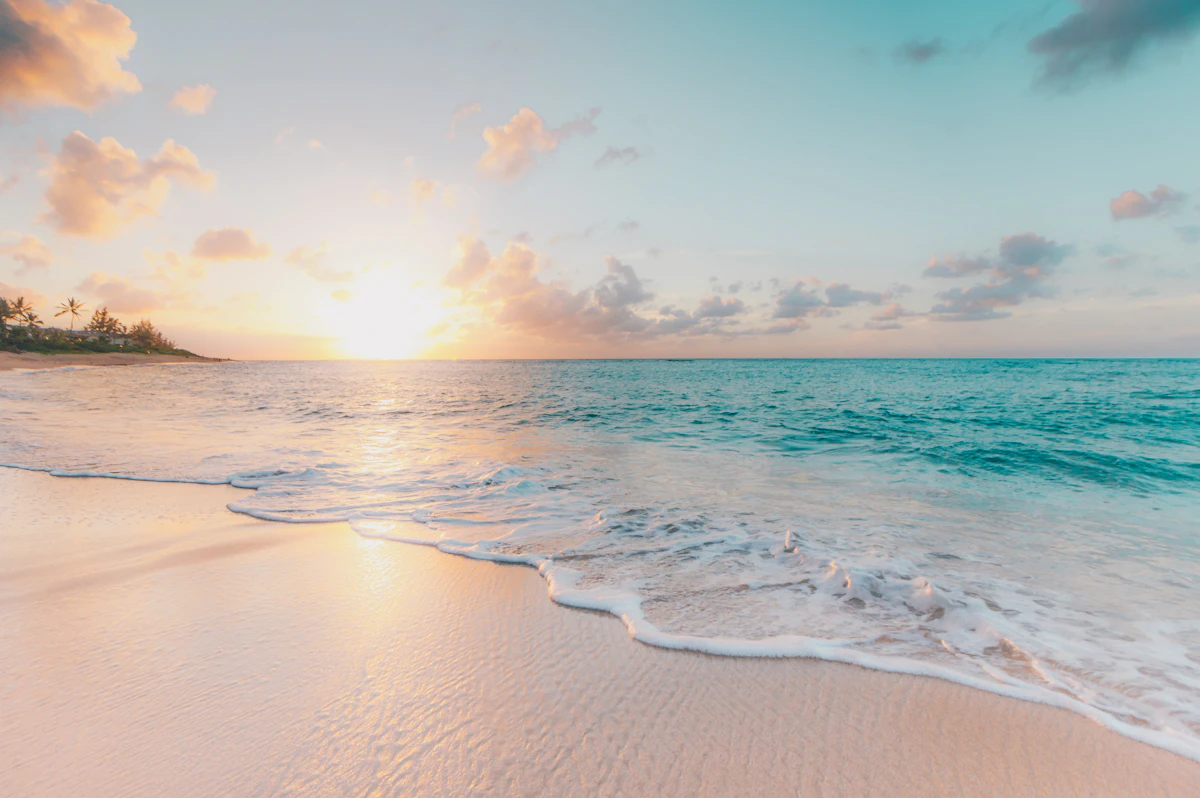
The sand here runs coarse underfoot, studded with fragments of clamshells that click softly as the surf retreats. Wooden tetrapods line sections of the shore, their concrete edges softened by green algae. You'll notice how the beach curves gently northward, buffered by a newly planted pine grove where saplings stand in ordered rows—nature and human will negotiating the terms of recovery. Local fishermen set out from the small boat ramp at dawn, their diesel engines cutting through the salt air. By mid-morning, their wives spread hijiki seaweed on blue tarps to dry, the kelp darkening in the sun. The water stays calm most days, its surface dimpled by feeding fish that draw flocks of black-tailed gulls. You won't find beach umbrellas or rental chairs. What you will find: a concrete seawall painted with children's murals, vending machines dispensing cold barley tea, and a quiet rhythm dictated by tides rather than tourist seasons. The wind carries the scent of drying nori from nearby cultivation beds, mixing with diesel and brine—the working waterfront's particular perfume.
Places, rentals, tours and events within walking and driving distance of Takata Hidden Shore.
Photos
Swimming conditions along the Rikuzentakata coastline vary with weather, tides, and season. As a quiet local shoreline, this location likely lacks dedicated lifeguard services and safety infrastructure. The sandy bottom generally makes water entry easier, but always assess wave conditions and currents before swimming. The Pacific Ocean along this coast can produce unpredictable currents and wave action. Check local weather and tide information before your visit. Swimming is generally safer during calm conditions and at slack tide. If you're unfamiliar with ocean swimming or the specific location, exercise caution and consider enjoying the shore without entering the water.
Takata Hidden Shore can be enjoyed year-round, with each season offering different experiences. Summer (July-August) provides the warmest air temperatures, though the ocean remains cool. Late spring (May-June) and early autumn (September-October) offer comfortable weather with fewer visitors and beautiful natural lighting for photography. These shoulder seasons are ideal for peaceful beach walks and contemplation. Winter brings solitude and dramatic coastal scenery but requires warm clothing against cold winds. Early morning and weekday visits during any season typically ensure the most tranquil experience. The flexibility of visiting anytime means you can choose conditions matching your preferences.
Accessing local shorelines in Rikuzentakata generally involves traveling to Iwate Prefecture in northeastern Japan. The nearest major rail connection is Ichinoseki Station on the Tohoku Shinkansen, approximately 3-4 hours from Tokyo. From there, continue by local train or bus to Rikuzentakata, though service frequency may be limited. A rental car offers the most flexibility for exploring quiet beaches and local shorelines in this rural coastal region. You may need detailed directions or GPS coordinates to find specific hidden shores. Allow extra time for navigation and possible exploration to locate less-documented beaches in the area.
Rikuzentakata town serves as the base for finding accommodation and dining when visiting local shorelines. Options include small hotels, business hotels, guesthouses, and traditional Japanese-style inns offering local hospitality. Restaurants feature fresh Sanriku coast seafood and regional cuisine. Many lodgings include breakfast and dinner options. Convenience stores provide supplies for beach outings. As a quiet local shoreline, facilities directly at the beach are unlikely, so bring water, snacks, and any supplies you'll need for your visit. The town center is typically within a short drive of coastal areas. Advanced booking is recommended, especially during busy travel periods.
Quiet local shorelines offer authentic coastal experiences away from commercial tourism. These places reflect how residents interact with their natural environment, providing cultural insight alongside scenic beauty. The lack of development and crowds creates peaceful settings ideal for contemplation, photography, or simply enjoying nature's rhythms. Sandy shores are comfortable for walking and relaxing. Local beaches often showcase regional geological features and ecosystems without artificial alterations. Visiting these quieter locations supports a more sustainable, thoughtful style of travel that respects local communities and natural environments. The sense of discovering a place few tourists reach adds meaning to the experience.