Counting the waves…
Counting the waves…
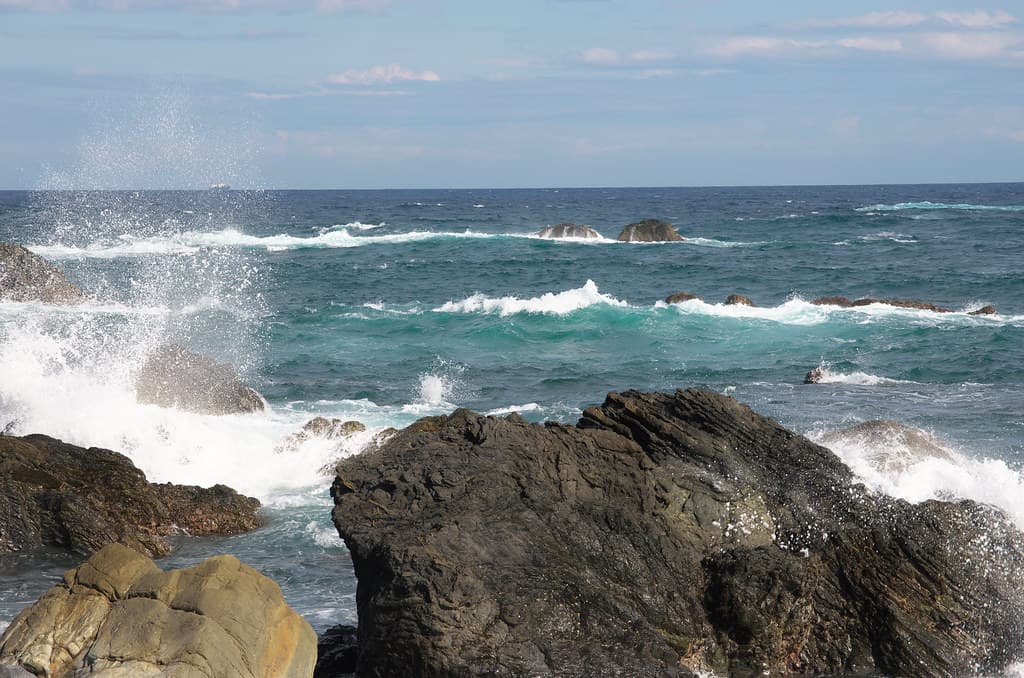
Cape Muroto Coast Beach is less a traditional beach and more a geological masterpiece, a dramatic testament to the Earth's enduring power. As part of a UNESCO Global Geopark, this rugged coastline showcases ancient rock formations, sculpted by millennia of tectonic activity and the relentless force of the Pacific Ocean. Here, the 'beach' is a mosaic of dark, weathered stone, not soft sand, inviting exploration and contemplation rather than sunbathing. The air at Cape Muroto is charged with energy, a symphony of crashing waves and the salty tang of the sea. You'll find yourself dwarfed by the sheer scale of the landscape, with towering cliffs and intricate rock pools revealing a vibrant intertidal ecosystem. It's a place that demands attention, where every vista is a postcard-worthy moment, perfect for photographers and nature enthusiasts alike seeking truly 'Instagrammable' views. This is a destination for those who appreciate the wilder side of nature, where the ocean's power is on full display. The 'vibes' here are undeniably dramatic and invigorating, a stark contrast to the gentle bays found elsewhere. Whether you're exploring tide pools, marveling at the geological wonders, or simply standing in awe of the vast ocean, Cape Muroto Coast Beach offers an unforgettable, visceral connection to the planet's ancient forces.
Places, rentals, tours and events within walking and driving distance of Cape Muroto Coast Beach.
Photos
Swimming is generally not recommended at Cape Muroto Coast Beach due to its rocky nature and often rough ocean conditions. The area is characterized by dramatic cliffs, jagged rocks, and strong currents typical of Pacific-facing coastlines. This UNESCO Geopark site is best appreciated for coastal walks, photography, and geological observation rather than water activities. If you're seeking swimming opportunities in the Muroto area, consider nearby sandy beaches like Hane Beach instead. Always check local weather and wave conditions, and observe any posted warnings.
The best time to visit Cape Muroto Coast is during spring (March-May) and autumn (September-November) when weather is generally mild and stable, offering clearer views of the dramatic coastline. Summer can bring typhoons and heavy rainfall to this region, while winter may have strong winds. Early morning or late afternoon provides the best lighting for photography of the rugged cliffs and ocean views. Visit during weekdays to avoid crowds, though this area is less busy than major tourist beaches. Check weather forecasts before visiting, as conditions can change quickly along this exposed Pacific coastline.
Cape Muroto is located on the eastern tip of Kōchi Prefecture, approximately 80 kilometers from Kōchi City. By car, take Route 55 along the coast, which offers scenic ocean views; the drive takes about 2 hours from Kōchi City. Public transportation is limited: take the Tosa Kuroshio Railway to Nahari Station, then a bus toward Muroto Cape (journey continues approximately 50 minutes). Rental cars are recommended for flexibility in exploring the geopark sites and coastline. The cape area has parking facilities near major viewpoints and the lighthouse.
Muroto city offers various accommodations including traditional ryokan inns, minshuku guesthouses, and small hotels, many featuring local seafood in their meals. The area is known for fresh Pacific catches, particularly katsuo (bonito) and kinmedai (golden eye snapper). Local restaurants serve Kōchi specialties and seasonal seafood dishes. Accommodation options range from budget-friendly to mid-range, with some properties offering ocean views. The small town center near the cape has convenience stores and casual eateries. For more extensive dining and lodging choices, Kōchi City is accessible within two hours. Booking ahead is advisable, especially during peak seasons.
Cape Muroto stands out as a UNESCO Global Geopark showcasing dramatic geological formations created over millions of years by tectonic activity. The exposed rock strata, tilted sedimentary layers, and turbidite formations tell the story of the Philippine Sea Plate's movement. Visitors can see distinctive pillow lava formations and walk through coastal trails with interpretive signs explaining the geology. The cape also features Muroto-misaki Lighthouse and historical sites including caves where Buddhist monk Kūkai meditated. This is a scientific and scenic destination rather than a typical beach resort, offering educational value alongside stunning Pacific Ocean vistas and rugged coastal beauty.