Counting the waves…
Counting the waves…
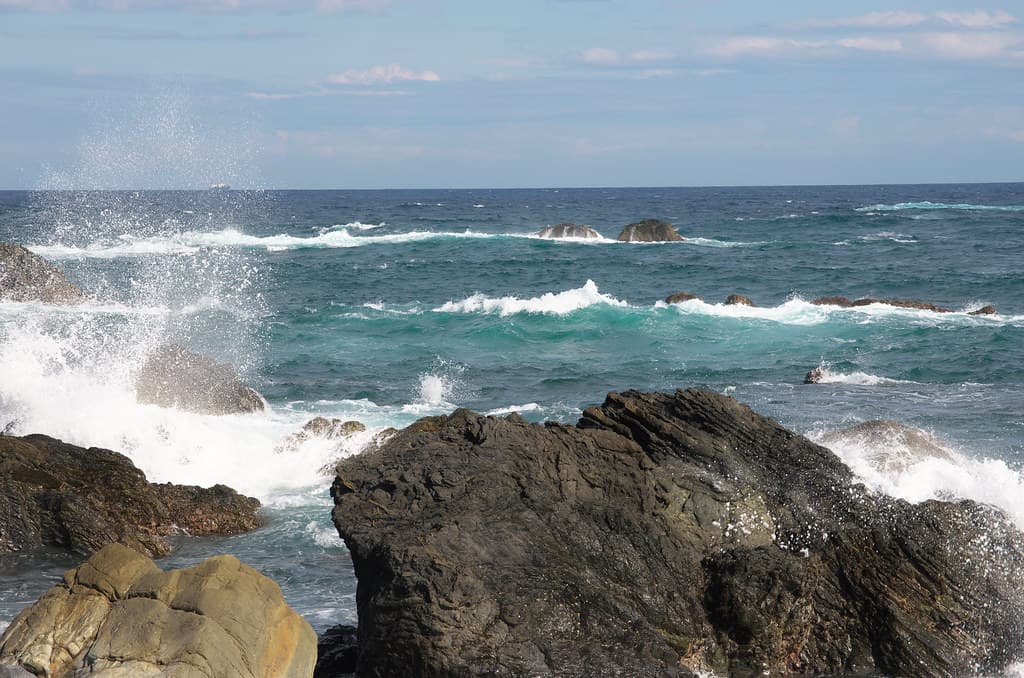
Cape Muroto Hidden Bay is not found on every map, nor is it easily stumbled upon. This secluded inlet, nestled within the formidable rock formations of Cape Muroto, is a reward for the adventurous. The air here is thick with the scent of salt and ancient stone, a raw, untamed beauty that captivates the senses. You'll hear the rhythmic crash of waves against the dark rock, a constant reminder of the ocean's enduring force. The bay itself is a marvel of natural architecture, with sheer cliffs plunging into turquoise waters. Sunlight, when it penetrates, illuminates the water in shifting patterns, revealing the dark, smooth stones beneath. This is a place for quiet reflection, for absorbing the grandeur of Kōchi's wild eastern edge. The absence of crowds amplifies the sense of discovery, making each moment feel uniquely yours. Bring your camera, but more importantly, bring your sense of wonder. The Hidden Bay offers a rare opportunity to connect with nature in its most pristine form. It’s a testament to the untamed spirit of Muroto, a place where the earth and ocean converge in spectacular, unadulterated beauty. This is where you truly escape.
Places, rentals, tours and events within walking and driving distance of Cape Muroto Hidden Bay.
Photos
Cape Muroto Hidden Bay's rocky coastline and secluded nature create variable water conditions that require caution. This is not a traditional swimming beach; the rocky terrain and potentially strong currents make it better suited for exploration and photography than swimming. If you do enter the water, wear protective footwear for rocky bottoms and be extremely cautious of sudden depth changes and currents. No lifeguards or safety services are present. Tidal changes can be significant in inlet areas. The bay is best enjoyed for its scenery and tide pool exploration rather than traditional beach swimming.
Cape Muroto Hidden Bay is naturally uncrowded due to its hidden, poorly-mapped location. For the best experience with minimal visitors, plan weekday visits during spring (April-May) or autumn (September-November) when weather is pleasant but tourism is lower than summer. Early morning visits offer the most solitude and beautiful light for photography. Avoid Japanese national holidays (Golden Week, Obon) when domestic travel peaks. Winter months see fewest visitors but weather can be harsh with rough seas. The bay's obscure location means it rarely experiences true crowds, offering privacy even during relatively popular periods compared to famous beaches.
Accessing Cape Muroto Hidden Bay requires careful navigation as it's rarely clearly mapped. A rental car is essential, driving from Muroto city along the cape coastline. GPS coordinates may be unreliable; local inquiry in Muroto town is advisable. Look for small coastal access points along Route 55 or coastal roads around Cape Muroto. Access may involve walking narrow paths or scrambling over rocks. Wear sturdy footwear and bring a detailed map or GPS device. The 'hidden' nature means finding it is part of the adventure but requires patience, good directions from locals, and daylight hours for safety.
The hidden bay itself has no facilities, so all provisions must be brought with you. Muroto city, the nearest town, offers restaurants serving fresh seafood and local Kōchi cuisine. Accommodation options in Muroto include small hotels, minshuku (family-run guesthouses), and ryokan, some with ocean views. The famous Muroto Schoolhouse Aquarium and Cape Muroto UNESCO Global Geopark visitor center area have some dining options. Pack food and drinks before heading to the bay, as you'll find no services there. Plan to base yourself in Muroto town and visit the bay as a day excursion.
Cape Muroto Hidden Bay offers exceptional seclusion and privacy due to its unclear mapping and difficult access, providing an exclusive coastal experience. Unlike sandy beaches, its rocky inlet showcases dramatic geological formations characteristic of Cape Muroto's UNESCO Global Geopark designation. The bay's obscurity means you may have it entirely to yourself, rare in modern Japan. Its untouched nature and lack of development create perfect conditions for photographers and adventurers seeking undiscovered places. The sense of discovery and exploration distinguishes it from accessible beaches, rewarding those willing to seek out secret coastal gems along Kōchi's rugged eastern shore.