Counting the waves…
Counting the waves…
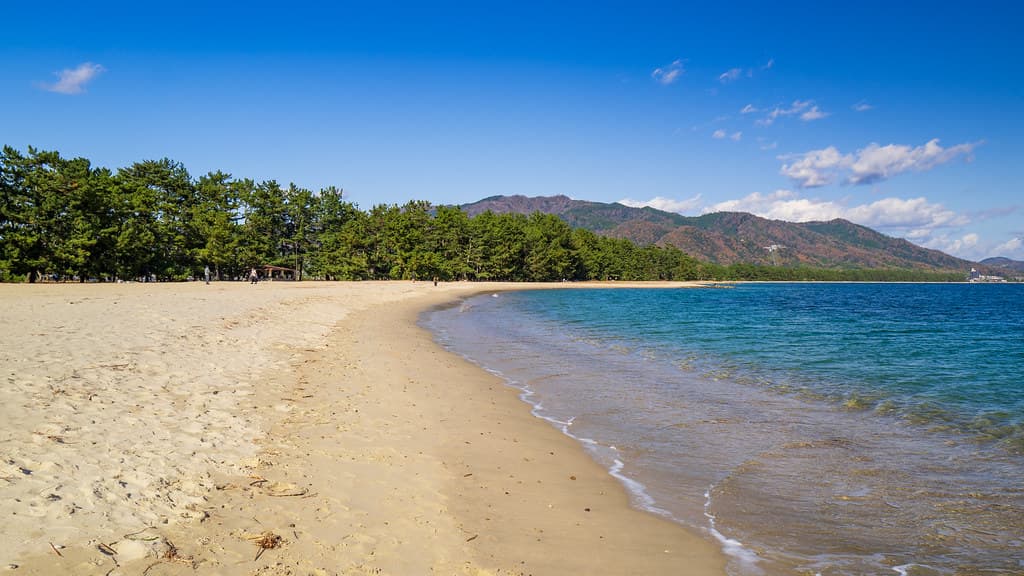
The road climbs toward Nariaiji Temple, but a turnout beforehand offers access to the rocky apron below the forested slopes. You descend through scrub to a shoreline that's more shelf than strand, layers of dark stone extending into water that surges and retreats with audible force. No sand softens the landing—just rocks worn smooth by wave action, slick with algae in the splash zone. The tide pools here function as miniature aquariums: translucent shrimp hover above anemones, tiny crabs shuffle under ledges, and rockfish fry dart in coordinated schools. The water quality shifts with the tide—brackish and murky at low water when the pools sit isolated, clearer during the flood when bay water circulates through the channels between boulders. Wading requires shoes and concentration; the rounded stones shift underfoot, and barnacles edge every stable surface. Above this geological tumble, the hillside supports pines and the occasional shrine marker, remnants of the pilgrimage route to Nariaiji. Fishing from the rocks attracts locals with long poles and practiced balance, men who know which ledges stay above the spray and when the tide reaches its turning point. By sunset, the stone holds the day's heat while the incoming tide brings cooler water, mist rising where the two temperatures meet.
Places, rentals, tours and events within walking and driving distance of Nariaiji Coast Beach.
Photos
Rocky coastlines are generally not ideal for swimming, especially for inexperienced swimmers. Nariaiji Coast Beach is better suited for coastal walks, tide pool exploration, and scenic appreciation rather than swimming. Sharp rocks, uneven surfaces, and unpredictable wave action against rocks create hazards. If you do enter the water, wear protective footwear and exercise extreme caution. The beach's appeal lies in its dramatic rocky scenery rather than swimming opportunities. Always prioritize safety and consider this location primarily for observation and photography.
Nariaiji Coast Beach is beautiful year-round for its rocky coastal scenery, though each season offers different charms. Spring and autumn provide comfortable weather for coastal walks without summer heat or winter cold. Early morning or late afternoon offers the best lighting for photography of the dramatic coastline. During less crowded periods, you can fully appreciate the natural beauty without distractions. Low tide reveals more rock formations and potential tide pools. Winter offers dramatic wave action and moody coastal atmosphere for experienced photographers.
Nariaiji Coast Beach is located near the famous Nariaiji Temple, which sits on mountainside above Amanohashidate. From Miyazu, you can reach the general Nariaiji area by local bus, car, or the Amanohashidate cable car/chairlift system that leads toward the temple. The specific coastal access may require hiking or following local paths. The area is somewhat remote, so having your own transportation or joining organized tours provides easiest access. Inquire locally about current access routes to the rocky coastline below the temple area.
The Nariaiji coast area is primarily natural and undeveloped, with limited facilities directly on-site. The nearest services are in the Amanohashidate area or central Miyazu, where you'll find diverse accommodation from traditional ryokans to modern hotels, plus restaurants serving local seafood and regional cuisine. Near Nariaiji Temple, there may be small refreshment stands or temple facilities. For beach visits, bring your own supplies. The scenic location rewards the limited facilities with stunning natural beauty and authentic coastal character.
Nariaiji Coast Beach stands out for its dramatic rocky coastline, offering a completely different experience from the area's sandy beaches. The rugged geological features create stunning scenery, particularly appealing to photographers and nature enthusiasts. The connection to the historic Nariaiji Temple adds cultural significance to the natural beauty. This beach showcases the diverse coastal character of the Miyazu region, demonstrating that the area offers more than just swimming beaches. It's ideal for those seeking scenic beauty, geological interest, and peaceful contemplation of nature's raw power.