Counting the wavesβ¦
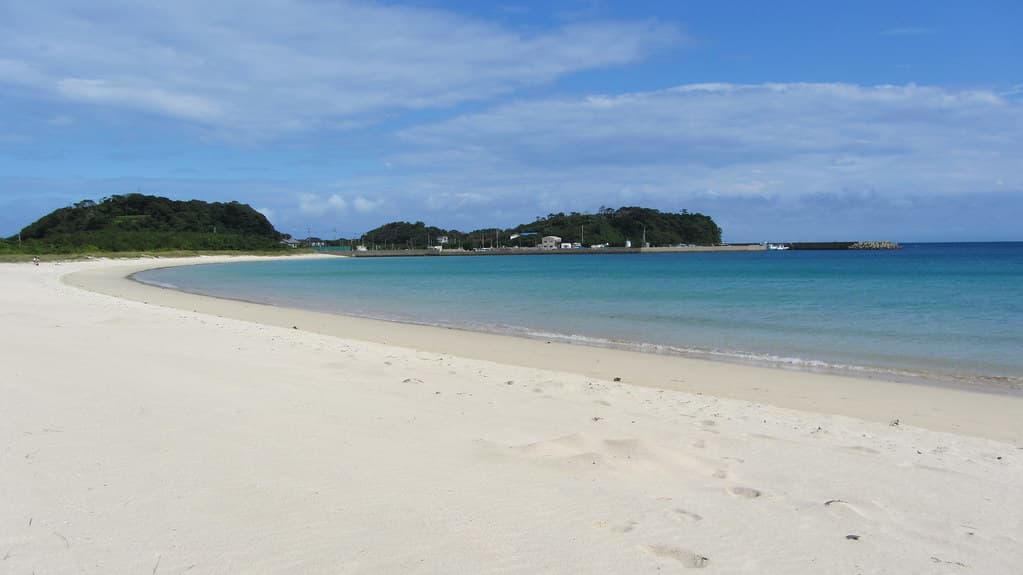
Tatsunoshima Beach is the undisputed star of Iki Island, a dazzling display of nature's finest work. The sand here is an almost blinding white, incredibly fine and soft, contrasting spectacularly with the water's vivid turquoise hues. It's the kind of beach that instantly transports you to a tropical dream, even in the heart of Japan. The water is exceptionally clear, allowing you to see straight to the sandy bottom, making it an ideal spot for snorkeling. Schools of small, colorful fish flit amongst the rocks, inviting you to explore the vibrant underwater world. The calm, shallow areas are perfect for families, while deeper sections offer refreshing swims. Accessible primarily by boat, the journey to Tatsunoshima adds to its allure, making it feel like a true discovery. Once there, you'll find yourself surrounded by pristine nature, with dramatic rock formations framing the beach, adding to its scenic charm. This is more than just a place to sunbathe; it's an immersive experience, a signature Iki memory waiting to be made, embodying the island's most famous coastal beauty.
Places, rentals, tours and events within walking and driving distance of Tatsunoshima Beach.
Photos
Tatsunoshima Beach is generally considered family-friendly with its white sand and turquoise waters. The beach offers calm conditions during favorable weather, making it suitable for children. However, always check local conditions before swimming, as currents can vary. The shallow areas near shore are typically safe for wading. Facilities on Iki Island beaches may be limited, so bring appropriate safety equipment and supervise children closely. The best swimming conditions occur during summer months when the water is warmest and seas are calmest.
The optimal time to visit Tatsunoshima Beach is from late June through September when weather conditions are most favorable and water temperatures are warmest for swimming. July and August offer peak beach weather but can be crowded during Japanese school holidays. Spring (May-June) and early autumn (September-October) provide pleasant temperatures with fewer visitors. Avoid the rainy season in June and typhoon season (August-September) when conditions can be unpredictable. Winter visits are possible for scenic views, though swimming is not recommended due to cold water temperatures.
Reaching Tatsunoshima Beach requires traveling to Iki Island first. Take a ferry from Fukuoka (Hakata Port) or Nagasaki to Iki, with journey times of approximately 1-2 hours. Once on the island, rental cars or scooters are highly recommended as public transportation is limited. The beach is accessible by road, and most visitors drive or take taxis from the main port areas. Some accommodations offer shuttle services or bicycle rentals. Plan your transportation in advance, especially during peak season, as the island has limited taxi services.
Iki Island offers various accommodation options including traditional Japanese inns (ryokan), guesthouses, and small hotels, though choices near Tatsunoshima Beach specifically may be limited. Most visitors stay in the main town areas and drive to the beach. The island is famous for fresh seafood, particularly sea urchin and Iki beef. Small restaurants and cafes can be found across the island, though beach-side dining may be limited. Consider bringing snacks and drinks for your beach visit. Booking accommodation in advance is essential during summer months.
Tatsunoshima Beach stands out as the signature beach of Iki Island, renowned for its striking white sand and exceptionally clear turquoise waters that rival tropical destinations. The beach offers a distinctly remote island atmosphere while remaining accessible. Its scenic beauty makes it a photographer's favorite, with dramatic coastal landscapes surrounding the swimming area. The beach exemplifies Iki Island's unspoiled natural character, offering a quieter alternative to mainland beaches. The combination of pristine sand, vivid water colors, and the island's unique cultural heritage creates a memorable experience distinct from typical Japanese beach destinations.