Counting the waves…
Counting the waves…
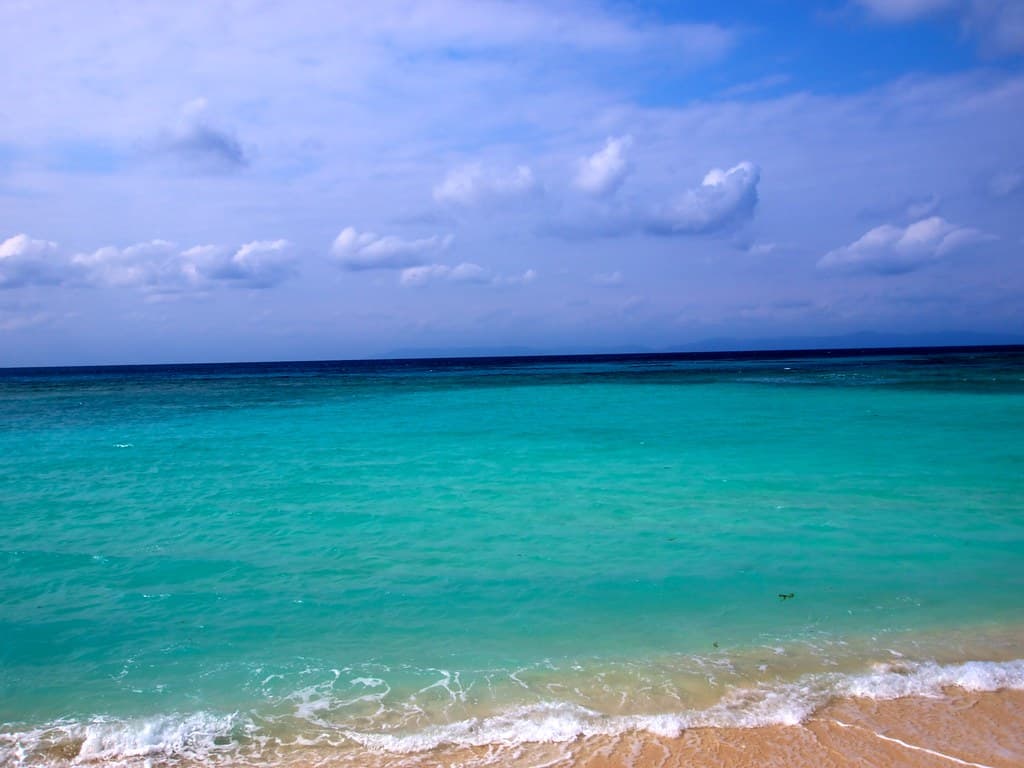
Hateruma Island, a tiny speck in the Yaeyama archipelago, holds a secret so profound it feels almost illicit: Nishihama Beach. Here, the sand isn't just white; it's a blinding, almost iridescent powder, so finely milled by the ocean's tireless work that it emits a soft, musical squeak with every step. The water, in turn, presents a spectrum of blues—from the palest aquamarine at the shoreline to a deep, inky sapphire further out—each hue more captivating than the last. This visual symphony is a testament to the island's untouched nature, a place where human impact feels refreshingly minimal. To arrive at Nishihama is to step into a postcard, a living, breathing tableau of tropical perfection. The shallow, warm waters invite long, languid swims, while the expansive stretch of sand offers ample space for quiet contemplation or simply basking in the sun's gentle warmth. There are no bustling resorts or hawkers here, just the raw, unadulterated beauty of a beach preserved, a testament to the islanders' reverence for their natural surroundings. Beyond its visual splendor, Nishihama offers a profound sense of escape. It's a place where time slows, where the worries of the world dissolve with the tide. You'll find yourself mesmerized by the subtle shifts in light on the water, the delicate dance of hermit crabs on the sand, and the sheer, overwhelming beauty of a beach that truly feels like the edge of the world. This is not just a beach; it's an experience, a memory etched in the mind long after the sand has been brushed from your toes.

Places, rentals, tours and events within walking and driving distance of Nishihama Beach.
Photos
Swimming is generally safe during calm conditions, with the beach offering beautiful shallow turquoise waters ideal for wading and swimming. However, no lifeguards are on duty, so exercise caution and assess conditions before entering. Currents can strengthen depending on weather and tides. The sandy bottom is gentle, but always supervise children closely. Jellyfish can appear seasonally, particularly in summer months. The beach's remote island location means emergency services are limited. Stay hydrated, use sun protection, and avoid swimming alone for maximum safety at this pristine beach.
The best weather occurs from April through October, with calmer seas and warmer temperatures ideal for swimming. The dry season from October to April offers pleasant conditions and clearer skies, though water may be slightly cooler. Summer provides the warmest water but brings higher humidity and occasional typhoons. Visit early morning or late afternoon to avoid midday heat and enjoy stunning light on the white sand and turquoise water. Hateruma sees fewer visitors than major islands year-round, though some seasonal variation exists during Japanese holidays.
First, reach Hateruma Island via ferry from Ishigaki Island; the journey takes about one hour depending on sea conditions. Ferries can be cancelled in rough weather, so build flexibility into your schedule. From Hateruma's small port, rent a bicycle or scooter, as the island is compact and easily explored. Nishihama Beach is on the western coast, a short ride from the port. Some guesthouses offer pickup services or bicycle rentals. The island has minimal public transportation, making rental vehicles the practical choice for beach access.
Limited facilities exist directly at Nishihama Beach—sometimes a small rest area or seasonal shop, but don't rely on this. Hateruma Island has a handful of minshuku (family-run guesthouses) and small accommodations, primarily in the main village area. Advance booking is essential as capacity is very limited. A few small restaurants and shops exist on the island, but options are basic. Many accommodations include meals. Bring supplies from Ishigaki if you have specific needs. The island's remote nature means preparing accordingly for limited services.
Nishihama is located on Japan's southernmost inhabited island, making it geographically and symbolically special. The beach features spectacularly clear turquoise water and brilliant white sand, often considered among Okinawa's most beautiful. The pristine quality stems from Hateruma's remoteness and minimal development. Visitors can experience exceptional stargazing here; Hateruma is famous for having Japan's best night skies, with the Southern Cross visible seasonally. The combination of stunning beach beauty and profound remoteness creates an authentic, unspoiled tropical experience increasingly rare in accessible destinations.