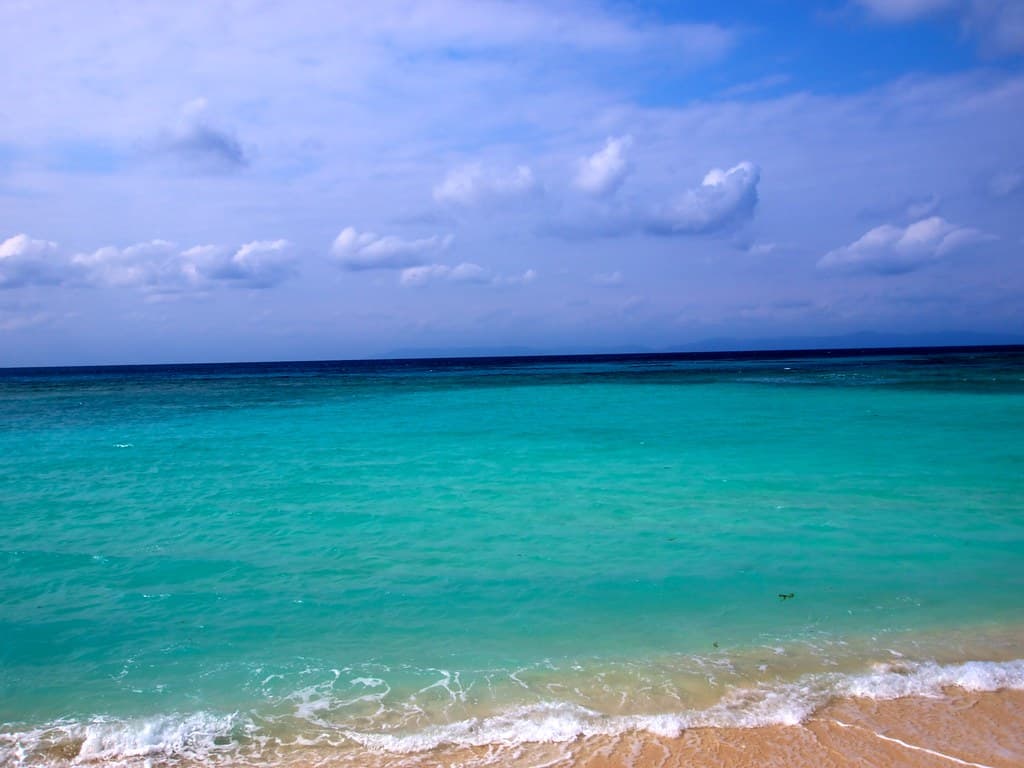
Counting the wavesβ¦
Takanazaki Beach, situated on the remote island of Hateruma, is not a typical sandy retreat but a dramatic, rocky cape where the land bravely confronts the vast expanse of the Pacific. This wild stretch is characterized by its rugged rock formations, sculpted by centuries of wind and wave, creating a landscape of raw, untamed beauty. The terrain is uneven, a mosaic of dark volcanic rock and coral fragments, demanding sturdy footwear and a spirit of adventure. The ocean here is a powerful, ever-present force. Waves crash against the rocks with a resounding roar, sending plumes of spray high into the air. The water, a deep, intense blue, stretches to the horizon, offering uninterrupted views of the open sea. While not suitable for swimming due to the strong currents and rocky shore, the spectacle of the ocean's might is utterly captivating, a testament to nature's raw power. Takanazaki is a place for contemplation and dramatic photography. The stark beauty of the landscape, the ceaseless rhythm of the waves, and the feeling of being at the very edge of the world create an unforgettable experience. It's a destination for those who seek the wild heart of an island, a place where the elements reign supreme and the beauty lies in its unyielding, untamed character.
Places, rentals, tours and events within walking and driving distance of Takanazaki Beach.
Photos
Swimming at Takanazaki Beach can be challenging due to its rocky terrain and exposed coastal location. Strong currents and waves are common, especially during winter months. The beach lacks lifeguards and safety facilities. Most visitors come for scenic views and photography rather than swimming. If you do enter the water, wear protective footwear for the rocky surfaces, check weather conditions beforehand, and never swim alone. The remote location means emergency services may take longer to reach you.
The best time to visit Takanazaki Beach is during the drier months from October to May when you'll encounter fewer crowds and clearer skies for photography. Summer brings typhoon season and more tourists to Hateruma Island. Early morning or late afternoon visits offer the most dramatic lighting for the cape's rugged scenery. Winter months can be windy but provide excellent visibility. Plan your visit on weekdays to maximize solitude at this already remote location.
Reaching Takanazaki Beach requires multiple steps. First, fly to Ishigaki Island, then take a ferry to Hateruma Island (approximately 60-90 minutes). From Hateruma's port, you'll need to rent a bicycle or scooter, as public transportation is extremely limited. The beach is located on the island's eastern cape, accessible by paved road. The entire journey from mainland Okinawa can take a full day. Check ferry schedules in advance, as they can be affected by weather conditions.
Takanazaki Beach itself has no facilities. Hateruma Island has limited accommodation options, including a few small guesthouses and minshuku (Japanese-style B&Bs) that should be booked well in advance. The island has a handful of small restaurants and shops, primarily located near the port area. Most accommodations offer meal plans, which is recommended given the limited dining options. Bring your own snacks and water when visiting the beach, as there are no vendors or facilities at the cape itself.
Takanazaki Beach stands out for its dramatic rocky cape setting rather than typical tropical sand. It's located on Japan's southernmost inhabited island, offering a genuine sense of remoteness and isolation. The wild, untouched landscape provides a stark contrast to developed resort beaches. The cape offers spectacular views of the Pacific Ocean meeting the East China Sea. Visitors come primarily for the raw natural beauty, stargazing opportunities (Hateruma has minimal light pollution), and the achievement of reaching one of Japan's most remote coastal points.