Counting the wavesβ¦
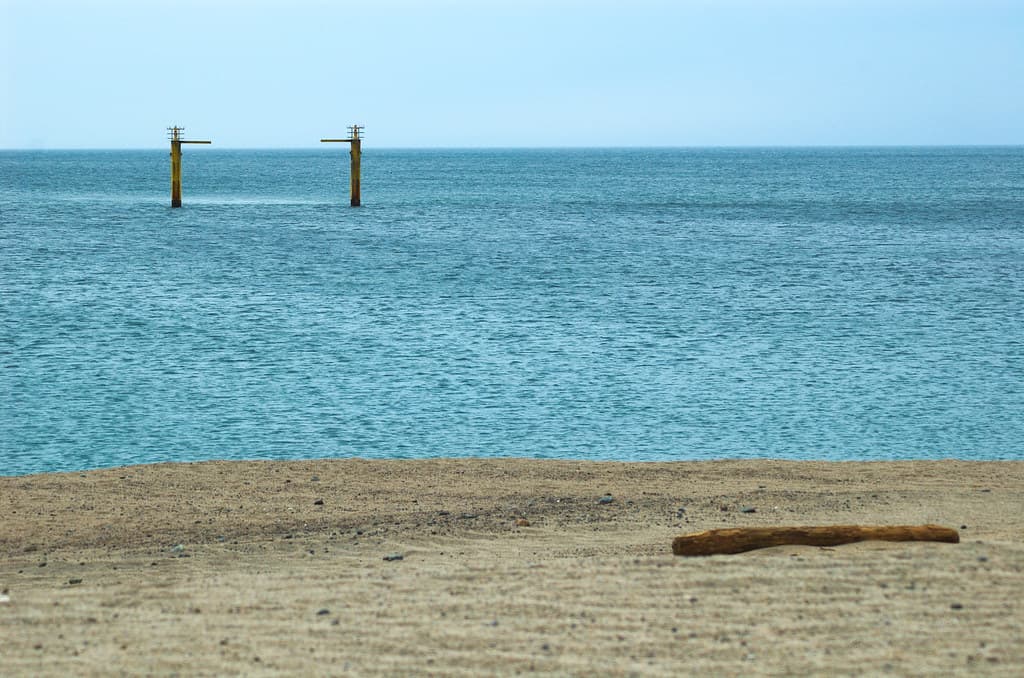
The black pines lean at impossible angles, trunks twisted by decades of winter gales into shapes that suggest movement frozen mid-gesture. Their needle-carpeted floor transitions abruptly to sand, creating a natural threshold between forest and sea. You'll find yourself walking this boundary line, one foot on soft pine duff, the other on coarse volcanic grains, unable to choose between ecosystems. The beach itself runs narrow but long, backed entirely by this windswept woodland. Fishing nets dry on driftwood racks beneath the trees, mended by hands you'll never seeβthe work happens before dawn. Crows patrol the wrack line, their calls sharp against the wave-sound, while smaller birds flit through pine branches overhead. The sand darkens near the waterline, wet and firm enough for barefoot running. Mount Daisen's southern flanks rise directly behind the forest, so close you can trace individual ridges. On humid days, clouds snag on the peak and spill downslope, bringing mist that softens the beach into something dreamlike. The pine scent intensifies when moisture saturates the air, turning each breath into a reminder that you're standing where mountain meets forest meets seaβa convergence of landscapes rare even in topographically complex Japan.
Places, rentals, tours and events within walking and driving distance of Coastal Pine Beach.
Photos
Swimming conditions at Coastal Pine Beach vary with the season and weather. The Sea of Japan can experience strong currents and waves, especially during autumn and winter months. Always check local conditions before entering the water. There are no lifeguards at this beach, so swim at your own risk and stay close to shore. The sandy bottom is generally gentle, making it safer than rocky areas. Families with children should exercise extra caution and supervise young swimmers closely.
Coastal Pine Beach can be visited year-round, with each season offering different experiences. Summer (July-August) provides warm weather for swimming, though it can be more crowded. Spring and autumn offer pleasant temperatures ideal for walking along the pine-lined shore with fewer visitors. Winter visits appeal to those seeking solitude and dramatic coastal scenery. Early morning visits any time of year provide the most peaceful atmosphere and beautiful light filtering through the pine trees.
Coastal Pine Beach is located in Daisen, along Tottori's western coast. A rental car is the most convenient option, as public transportation to this area is limited. From Yonago city, drive west toward Daisen for approximately 20-30 minutes. If using public transport, take a train to Yonago Station, then a local bus toward the Daisen coastal area, though services may be infrequent. Check current bus schedules in advance and consider taxi services for the final leg of your journey.
Accommodation options near Coastal Pine Beach include ryokan (traditional Japanese inns) and small hotels in the Daisen area, some offering ocean views. The nearby city of Yonago, about 20-30 minutes away, provides more lodging choices and restaurants. Local seafood is excellent in this region. Small family-run restaurants and cafes can be found in nearby coastal communities, serving fresh catch and regional specialties. Many visitors stay in Yonago or at Daisen's mountain resorts and make day trips to the beach.
The distinctive pine trees lining Coastal Pine Beach create a unique coastal landscape characteristic of this part of Japan's Sea of Japan coast. These hardy pines have adapted to the salt air and coastal winds, forming a natural windbreak and providing shade along the beach. The combination of white sand, deep blue sea, and green pines creates a classically beautiful Japanese coastal scene. Walking through the pine grove offers a peaceful experience, with the trees framing views of the ocean and Mount Daisen in the distance on clear days.