Counting the waves…
Counting the waves…
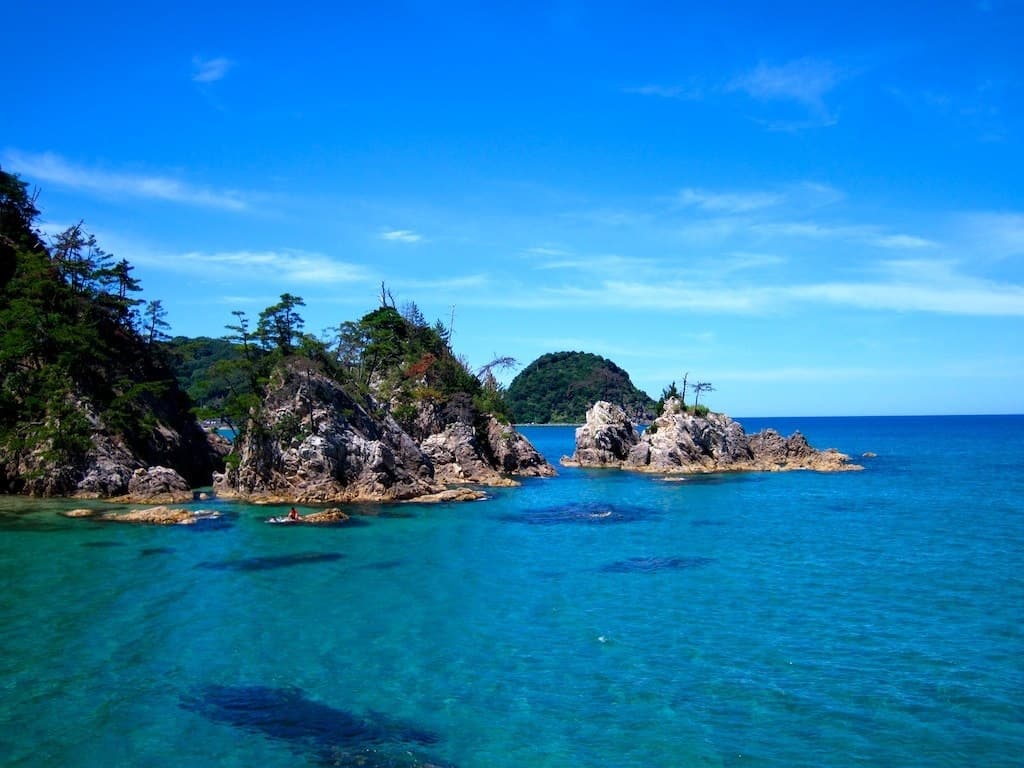
The cove is small enough that you can swim its perimeter in twenty minutes, but you'll want to spend longer. Underwater, the volcanic rocks create caverns and overhangs where fish congregate in numbers that seem impossible for such a compact space. Sergeant majors school in the shallows, their yellow and black stripes vivid even in the filtered light. Farther out, where the rocks drop into darker water, larger fish patrol the boundary between cove and open sea. You enter the water from a narrow strip of coarse sand mixed with pebbles that have been tumbled smooth by decades of wave action. The bottom is rocky for the first few meters—reef shoes help—but once you're past the entry zone, the terrain becomes fascinating rather than treacherous. Crevices shelter crabs and small octopi. Anemones retract when your shadow passes. The water temperature stratifies, cold layers mixing with warmer ones as you swim through invisible boundaries. A handful of local snorkelers consider Ajiro their secret, arriving early before the sun heats the rocks and the afternoon wind chops the surface. They know which tides bring the best visibility and where the biggest fish feed. If you ask respectfully, they might point out the channel where the water flows deepest, where you can float and watch the seafloor eight meters below, sharp and clear as aquarium glass.
Places, rentals, tours and events within walking and driving distance of Ajiro Beach.
Photos
Ajiro Beach is known for its clear waters, making it suitable for both swimming and snorkeling. The cove configuration typically provides calmer conditions compared to open beaches, though always check current conditions before entering. The water clarity allows for observing marine life while snorkeling, though the diversity and abundance of sea life varies seasonally. Bring your own snorkeling equipment as rentals may not be available at this hidden location. Swim within your abilities and be aware of boats if present in the cove area.
Ajiro Beach is best visited during the warmest months from late June through early September when water temperatures are comfortable for swimming and snorkeling. July and August offer peak conditions with the clearest water visibility, though these months may see more visitors. The beach's clear waters are best appreciated on sunny days with calm seas. Visit during morning hours for optimal light conditions for snorkeling. Being a cove, it may offer some protection during windier conditions, but always prioritize safety and check weather forecasts.
Ajiro Beach is located in Iwami along Tottori's eastern coast. A car is the most practical way to reach this hidden cove, taking Route 9 from Tottori city then following local coastal roads. The journey takes approximately 30-45 minutes from Tottori. Public transportation options are limited given its secluded nature. Use GPS navigation and look for local signage once in the Iwami area. The access road may be narrow or less developed than major beaches, so drive carefully and be prepared for limited parking facilities.
As a hidden beach, Ajiro has minimal facilities on-site. Don't expect developed infrastructure like restrooms, showers, or food vendors. Iwami town nearby offers basic restaurants and shops where you can purchase supplies before heading to the beach. For comprehensive amenities, Tottori city is about 30-40 minutes away. Plan ahead by bringing all necessary items including food, water, snorkeling gear, towels, and sun protection. The nearest accommodation would be in Iwami or Tottori city rather than beachfront at this secluded location.
Ajiro Beach's clear waters are its defining attraction, setting it apart from other beaches in the region. The cove's configuration and geographic features contribute to exceptional water clarity, allowing excellent underwater visibility for snorkeling and swimming. This clarity reveals the seabed, rocks, and marine life in detail not always visible at sandier, more turbulent beaches. The pristine conditions create a more intimate connection with the marine environment. For photographers and nature enthusiasts, the transparent water offers unique opportunities to observe coastal ecosystems in their natural state.