
Counting the waves…
Counting the waves…
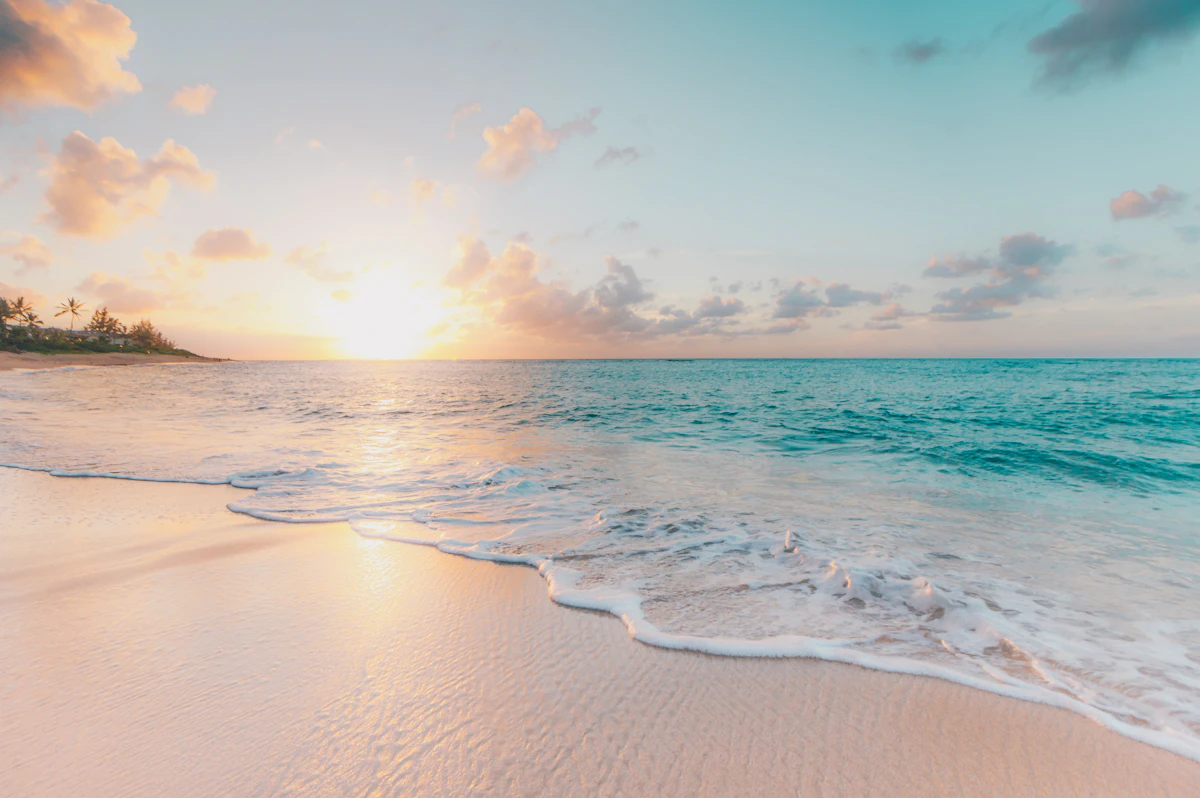
The staircase cuts through layers of volcanic rock, each step worn smooth by decades of fishermen hauling nets and the occasional traveler curious enough to follow the unmarked trailhead. Halfway down, the scent of salt and wet stone intensifies, and you catch your first glimpse of the cove—a pocket of privacy hemmed in by black cliffs dripping with algae and crowned with twisted shore pines. The sand here is coarse, flecked with obsidian fragments and broken shells that crunch underfoot. At high tide, waves slap the rocks with a percussive rhythm that echoes off the stone walls; at low tide, tidal pools reveal violet sea urchins and ochre starfish clinging to submerged ledges. The water shifts from slate to jade depending on the cloud cover, never quite committing to blue. You'll likely have the place to yourself, save for the occasional cormorant drying its wings on a sea stack. There's no café, no umbrella rental, no lifeguard tower—just the raw architecture of coast and current. Bring what you need in a backpack: a bento from Tsuruoka's morning market, a towel that won't mind volcanic grit, and the understanding that some beaches reward effort with solitude rather than amenities.
Places, rentals, tours and events within walking and driving distance of Yura Hidden Cove.
Photos
Swimming conditions at Yura Hidden Cove vary by season and weather. As a hidden cove along the Sea of Japan coast, currents and waves can be unpredictable, particularly during winter months and typhoon season. The beach is relatively secluded with limited lifeguard services, so exercise caution and check local conditions before entering the water. Summer months generally offer calmer seas, but always assess wave conditions upon arrival. Families with children should be especially vigilant due to the lack of formal safety infrastructure at this remote location.
While Yura Hidden Cove can be visited year-round, each season offers different experiences. Summer (June-August) provides the warmest weather and calmest seas for swimming, though it can be humid. Spring and autumn offer mild temperatures ideal for scenic walks and photography, with fewer visitors. Winter visits showcase dramatic coastal scenery and powerful waves, though swimming isn't advisable. The Sea of Japan coast experiences significant seasonal variation, so summer is best for beach activities, while other seasons suit nature appreciation and solitude.
Yura Hidden Cove is located near Tsuruoka city in Yamagata Prefecture. The most practical access is by car, as public transportation to this hidden spot is limited. From Tsuruoka Station, it's approximately a 30-40 minute drive toward the coastal area. Given its secluded nature, parking facilities may be informal or limited, so arrive early during peak season. The final approach might involve walking on unpaved paths. Having your own vehicle provides the most flexibility for exploring this remote coastal area and the surrounding Shonai region.
As a hidden cove, on-site amenities are minimal to non-existent. The nearby Yura area and Tsuruoka city offer various dining options, including local seafood restaurants serving fresh catches from the Sea of Japan. Accommodations range from traditional ryokan to modern hotels in Tsuruoka, approximately 30-40 minutes away. The fishing port of Yura has some local eateries. It's advisable to bring your own food, water, and supplies when visiting the cove itself, as you won't find facilities directly at this secluded beach location.
Yura Hidden Cove's main distinction is its secluded, undeveloped character compared to more popular Yamagata beaches. The cove offers an intimate coastal experience away from crowds, with natural rock formations and scenic beauty largely untouched by commercial development. Its hidden location means you'll likely encounter few other visitors, creating a peaceful atmosphere for those seeking solitude. The surrounding coastline features dramatic Sea of Japan scenery typical of the Shonai region, offering authentic coastal nature rather than the developed beach resort experience found elsewhere in Japan.