Counting the waves…
Counting the waves…

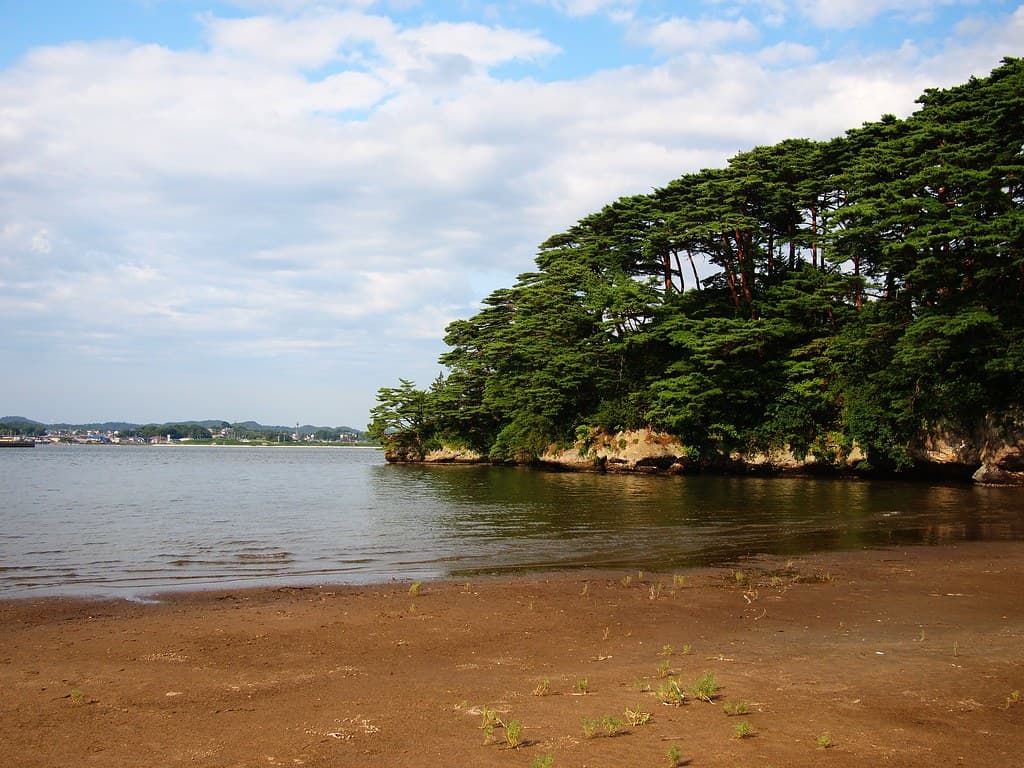
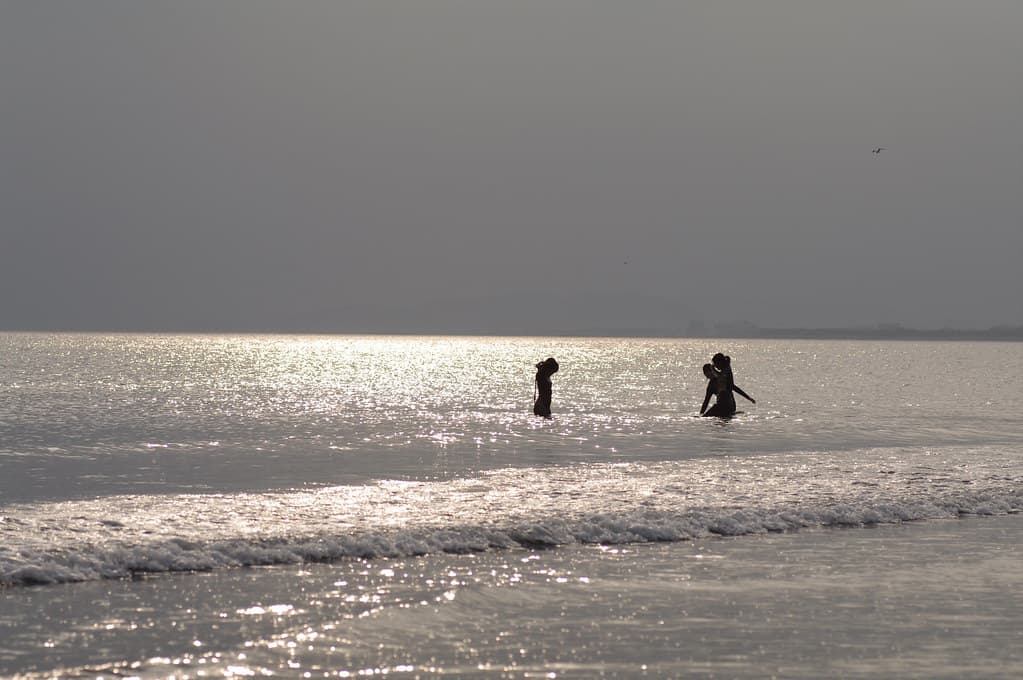
The sand here runs long and unbroken, bordered by a ribbon of black pines that lean inland from decades of coastal wind. Unlike the rocky coves that dominate much of the Shonai coast, Nishihama spreads wide enough for kite-fliers, joggers, and entire extended families to claim their own patch without encroaching on neighbors. The beach faces northwest, which means you'll watch the sun descend not into the horizon but behind the Chokai massif, its 7,336-foot summit glowing amber as shadows crawl down ridgelines. Yuza itself remains a fishing town first, a beach resort second. The morning market in town sells dried squid and kelp harvested from these waters, and the few ryokan near the shore cater mostly to regional guests who arrive in summer for seaside picnics and autumn for matsutake mushrooms in the nearby hills. There are no jet-ski rentals, no beach clubs with pulsing playlists—just the rhythmic thud of volleyball games and the hiss of portable grills heating yakisoba. The water stays cool even in August, fed by the Tsushima Current that sweeps down from Siberia. You'll see grandmothers in long-sleeved rash guards wading knee-deep alongside toddlers in inflatable rings. By late afternoon, the western sky performs its slow-burning show, and you'll understand why locals drive up from Sakata with thermoses of tea and fold-out chairs, content to sit and watch the light change until the first stars prick through.
Places, rentals, tours and events within walking and driving distance of Nishihama Beach.
Photos
Nishihama Beach generally offers calm, shallow waters suitable for families and swimmers of varying abilities. The wide sandy shoreline provides gentle entry into the Sea of Japan. However, conditions can change with weather and season—currents may strengthen during storms or winter months. Lifeguard availability varies by season, typically present during summer peak times. Always check local conditions before swimming, observe posted flags and warnings, and exercise caution with children. The beach's location near the Akita border means cooler northern waters compared to southern Japanese beaches.
While listed as year-round, Nishihama Beach is most popular from June through September when temperatures are warmest (20-28°C) and swimming is comfortable. July and August see peak crowds and warmest water. Spring and autumn offer pleasant weather for beach walks and sunset viewing with fewer visitors. Winters are cold with strong winds off the Sea of Japan, though the beach remains scenic. The region experiences significant rainfall in June-July. For optimal swimming and beach activities, visit mid-July through late August. Sunset enthusiasts enjoy the beach throughout the year.
Nishihama Beach is located in Yuza town, northern Yamagata Prefecture near the Akita border. By car, it's accessible via Route 7 along the Sea of Japan coast—approximately 30-40 minutes from Sakata city. Free parking areas are available near the beach, with capacity varying by location. Public transportation is limited; the nearest train station is JR Sakata Station, from which you'll need a bus or taxi (about 30-40 minutes). Renting a car is highly recommended for flexibility, especially when exploring this less-touristed coastal region.
Nishihama Beach has basic facilities including restrooms and changing rooms, with seasonal beach houses offering simple refreshments during summer. Yuza town nearby provides local restaurants serving fresh seafood, including Sea of Japan catches. For more dining variety, Sakata city (30-40 minutes away) offers broader options. Accommodation ranges from small local minshuku (guesthouses) and business hotels in Yuza to larger hotels in Sakata. The area is relatively rural, so amenities are modest compared to major resort beaches. Stock up on supplies in Sakata if staying overnight near the beach.
Nishihama Beach faces directly west over the Sea of Japan, creating spectacular unobstructed sunset views as the sun descends into the ocean horizon. The wide, open beach and flat landscape provide panoramic vistas with minimal interference. The combination of expansive sandy beach, dramatic coastal scenery, and the changing colors reflecting off the sea makes it a photographer's favorite. During summer evenings, the long twilight hours enhance the experience. The beach's relative remoteness and lower crowds compared to southern Japan beaches add to its appeal for sunset seekers wanting peaceful, scenic moments.