Counting the waves…
Counting the waves…
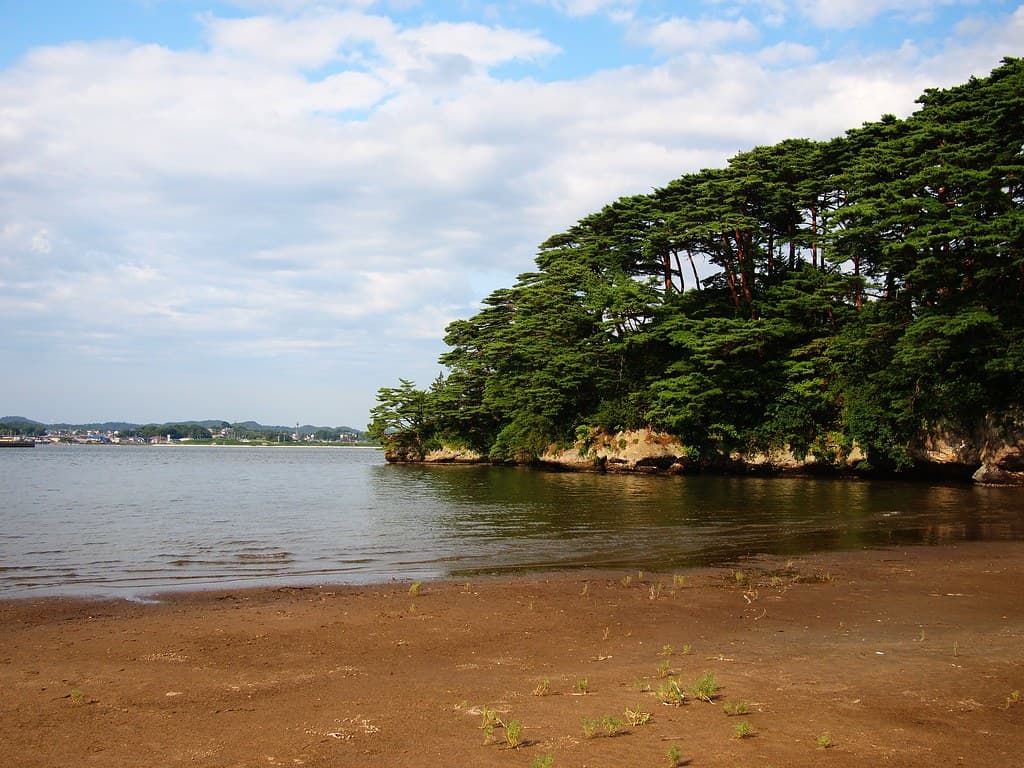
You'll walk ten minutes north along Nishihama's main beach before the crowds thin and the sand narrows into this hidden stretch—a place where wind-sculpted pines cling to low bluffs and the shoreline bends just enough to feel like your own discovery. The beach here is coarser, flecked with pebbles the color of wet slate, and the undertow tugs with honest force. Locals from Yuza come at dawn with thermoses of coffee, settling onto driftwood logs smoothed by decades of tides. The water runs cold even in August, fed by currents sweeping down from Hokkaido, but that doesn't stop the occasional surfer paddling out to meet the inconsistent swells. Behind you, the cliff face is striped with layers of volcanic ash and sediment, a geology lesson written in rust and charcoal. Seabirds nest in the crevices, their calls sharp against the wind. Come in late afternoon when the light slants low and the beach glows amber. You'll find fishing nets drying on wooden racks, the smell of salt and seaweed thick in the air, and perhaps one other soul combing the tideline for sea glass. There are no facilities here, no umbrellas for rent—just the elemental meeting of land and sea, unfiltered and unadorned.
Places, rentals, tours and events within walking and driving distance of Nishihama Hidden Stretch.
Photos
Swimming conditions at Nishihama's quieter sections vary by season and weather. The Sea of Japan can have strong currents and waves, particularly during autumn and winter. Summer months generally offer calmer waters, but always check local conditions before entering. As this is a less-developed stretch, there are typically no lifeguards on duty. Exercise caution, avoid swimming alone, and be aware that undertows can occur. If conditions seem rough or you're unfamiliar with the area, it's best to enjoy the scenic views from shore.
While the beach is accessible year-round, each season offers different experiences. Summer (June-August) provides the warmest weather and best swimming conditions, though it can be humid. Late spring and early autumn offer pleasant temperatures with fewer crowds. Winter visits reward you with dramatic coastal scenery and powerful waves, but expect cold winds from the Sea of Japan. Sunset views are spectacular throughout the year. The quieter nature of this stretch means you can enjoy relative solitude even during peak summer months compared to more popular beaches.
Nishihama is located in Yuza town, Yamagata Prefecture, along the coastal Route 7. A rental car is highly recommended as public transportation to this specific stretch is limited. From Tsuruoka city, it's approximately 30-40 minutes by car heading north. Look for small parking areas or pull-offs along the coastal road near the quieter beach sections. Parking is generally informal and free but limited. The nearest train station is Amarume Station, but you'll need a taxi or car from there as it's about 30 minutes away.
Being a hidden, less-developed stretch, immediate beachside facilities are minimal. Yuza town center, a short drive away, has local restaurants serving fresh seafood and regional specialties. You'll find small family-run eateries and convenience stores for basic supplies. Accommodation options include traditional minshuku (guesthouses) and a few small hotels in Yuza town. For more variety in dining and lodging, Tsuruoka city offers wider choices about 30 minutes south. Bring snacks and water when visiting the beach as nearby options are limited.
This quieter extension of Nishihama offers a more secluded, natural experience compared to the main beach. You'll find fewer visitors, less development, and a more rugged coastal landscape. The hidden stretch typically lacks facilities like changing rooms or beach equipment rentals, making it ideal for travellers seeking peaceful scenery rather than resort amenities. The dramatic coastline features interesting rock formations and tide pools to explore. It's perfect for contemplative walks, photography, and experiencing the raw beauty of the Sea of Japan coast without the crowds found at more accessible sections.