Counting the waves…
Counting the waves…
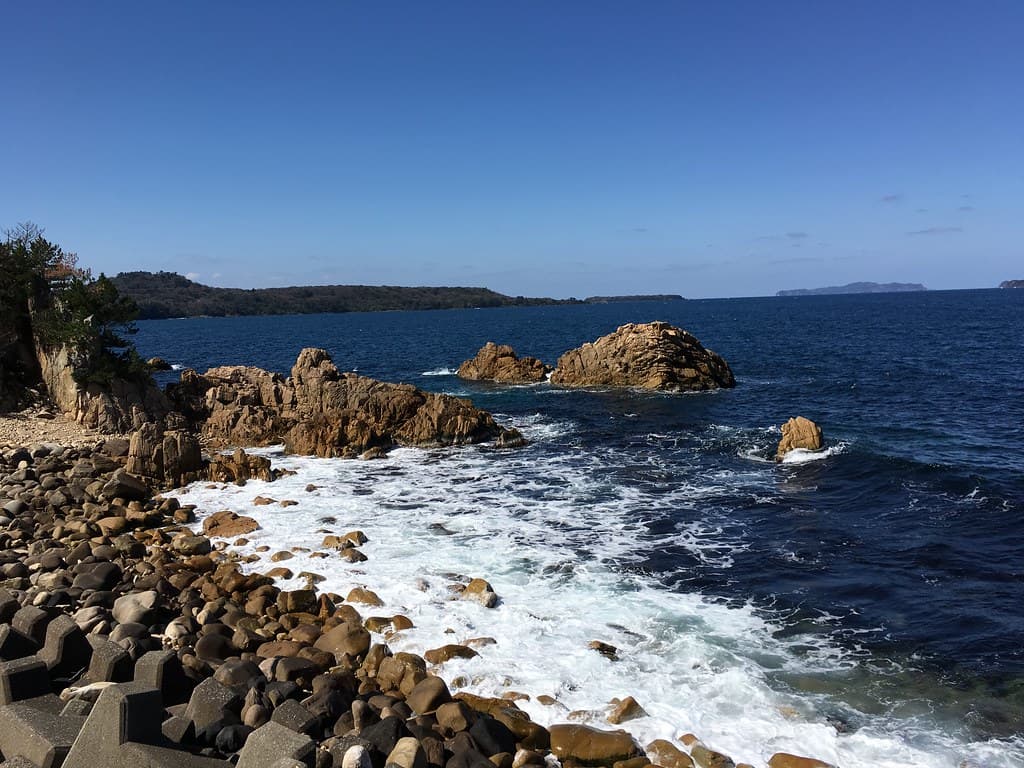
You'll descend a narrow trail through pine scrub to find a shoreline that looks carved by a stonemason with geologic patience. Hexagonal basalt towers rise from the shallows like organ pipes, their surfaces worn smooth where waves polish them twice daily. Between the columns, tidal pools trap damselfish and crimson starfish, while the water beyond shifts from jade to cobalt depending on the depth of volcanic shelves beneath. Bring reef shoes—the rock underfoot is unforgiving but necessary for reaching the best snorkeling. Submerge your mask and you'll drift above boulders furred with kelp, past schools of striped beakfish that scatter when your shadow passes. The seabed is a tumbled museum of lava flows frozen mid-pour, now colonized by anemones that wave from every crevice. There are no facilities here, no lifeguards, no umbrella rentals. Just a weathered parking area where three cars might fit, and the sound of surf echoing inside volcanic hollows. Pack everything you need. The nearest vending machine is a twenty-minute drive back toward Hagi proper, past terraced rice fields that glow absurd green against the dark stone coast.
Places, rentals, tours and events within walking and driving distance of Kasayama Beach.
Photos
Kasayama Beach's rocky, volcanic coastline creates interesting conditions for experienced swimmers and snorkelers. The clear water offers good visibility for observing marine life around rock formations. However, rocky beaches require caution—wear water shoes to protect feet from sharp surfaces and be mindful of slippery rocks. Assess wave conditions carefully as rocks can create unpredictable currents. This beach is better suited for confident swimmers and snorkelers rather than young children. There may not be lifeguards, so never snorkel alone and inform someone of your plans. Check weather and sea conditions before entering the water.
Kasayama Beach is best visited during periods of favorable weather for appreciating its volcanic rock formations and clear water. Summer months (June-September) offer warm temperatures and calmer seas ideal for snorkeling, though July-August can be humid. Late spring (May-June) and early autumn (September-October) provide pleasant weather with good visibility and fewer visitors. Clear, calm days showcase the water clarity and unique geological features best. Winter can offer dramatic coastal scenery but is generally too cold for water activities. Check local weather forecasts as conditions can affect both access and the snorkeling experience significantly.
Kasayama Beach is located in Hagi, Yamaguchi Prefecture, along the Hagi-Abu coast. From Hagi city center, the beach is accessible by local bus, taxi, or rental car, with driving being the most convenient option for reaching this more hidden location. Hagi itself is reached via the JR San'in Line from Shin-Yamaguchi Station (about 1 hour). From major cities like Hiroshima, the total journey takes approximately 3-4 hours. A rental car is recommended for exploring the coastal volcanic formations and accessing less-developed beaches. Check local transportation schedules as service to quieter beaches may be infrequent.
As a hidden, scenic beach with rocky volcanic coastline, Kasayama Beach has limited on-site facilities. Hagi city, nearby, offers numerous accommodation options including traditional ryokan, modern hotels, and guesthouses catering to tourists visiting the historic castle town. Hagi's restaurants serve excellent fresh seafood and local Yamaguchi specialties. Some establishments may offer views of the coastal area. For a beach visit, consider bringing food, water, and supplies as immediate services at Kasayama Beach are minimal. Hagi's tourism infrastructure makes it a good base for exploring coastal attractions while providing comfortable amenities.
Kasayama Beach's volcanic coastline creates distinctive geological features unlike typical sandy beaches. The volcanic rock formations result from ancient lava flows, creating dramatic shapes, tide pools, and underwater structures. These formations provide habitat for diverse marine life, making the area excellent for snorkeling and observing coastal ecosystems. The rocks create scenic coastal landscapes ideal for photography and geological interest. Clear water around the formations offers good visibility for underwater exploration. The unique volcanic character distinguishes this beach from others along the Hagi-Abu coast, offering both visual beauty and educational interest in natural coastal geology.