
Counting the waves…
Counting the waves…

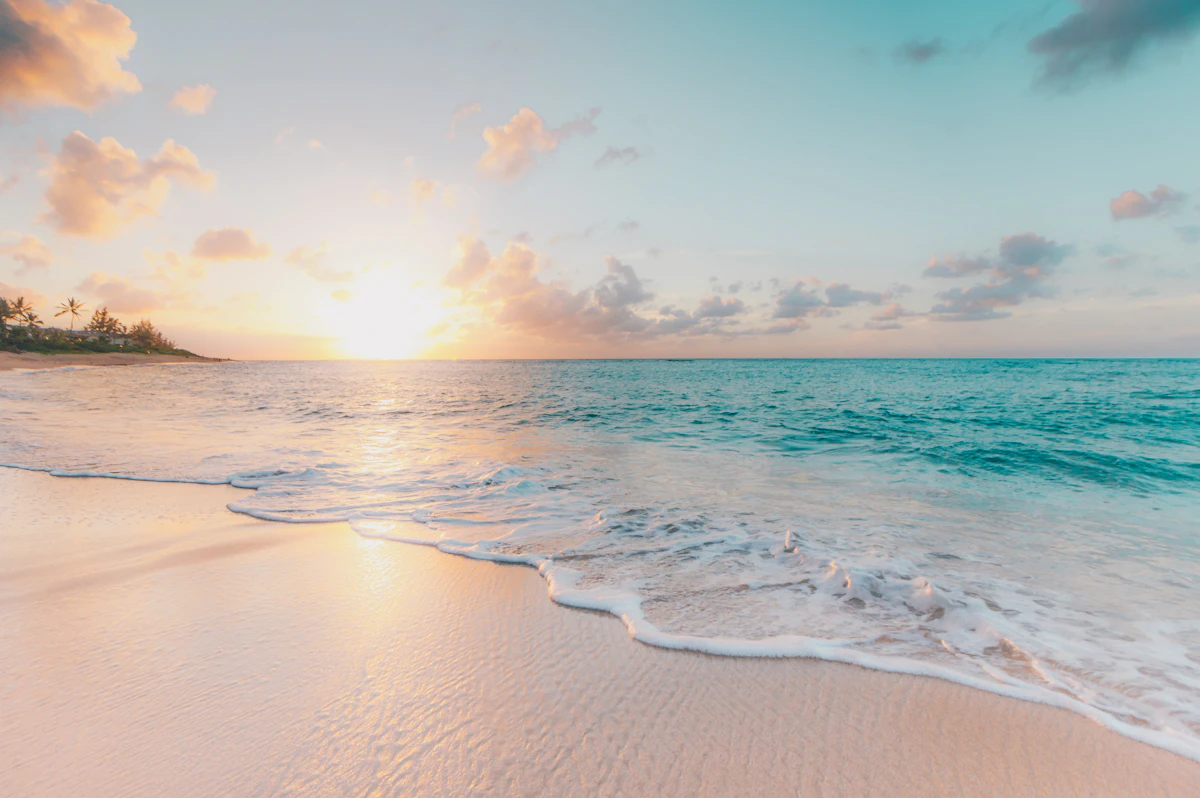
You'll find this beach at the end of a residential street where gardens give way to coastal grass, then sand. It's the kind of place where everyone seems to know everyone—the woman setting up her beach chair near the breakwater, the man flying a kite with his grandson near the waterline, the teenagers huddled around a bluetooth speaker playing last year's J-pop hits. They've carved out invisible territories by sheer repetition, returning to the same coordinates summer after summer. The sand is fine and pale, the water shallow enough for children to wade safely while parents watch from shore. By late afternoon, the beach becomes a theater for the region's most reliable show: the sun descending behind the islands that dot the horizon, turning the Sea of Japan into hammered copper. Photographers arrive an hour early to claim positions, tripods clustered like a small forest of aluminum. The light does something particular here, something about the angle and the island silhouettes and the way moisture in the air diffuses the spectrum into bands of peach and violet. A small parking area accommodates maybe twenty cars, and a weathered bathroom block serves its purpose without pretension. In summer a yakisoba stand operates near the parking lot, smoke rising from the griddle as the vendor flips noodles with practiced rhythm. The beach is swimmable from June through September, though locals prefer the calm mornings before the breeze picks up and turns the surface choppy.
Places, rentals, tours and events within walking and driving distance of Oimatsu Beach.
Photos
Oimatsu Beach is generally safe for swimming and well-suited for families, with calm waters and gentle waves typical of the area. The sandy bottom and gradual depth make it appropriate for children. However, always supervise young swimmers and check local conditions before entering the water. Jellyfish can appear during late summer. The beach lacks lifeguards at many times, so exercise standard water safety precautions and avoid swimming alone.
Oimatsu Beach can be visited year-round, though swimming season typically runs from July through August. The beach is particularly beautiful at sunset, offering views over the Sea of Japan. Spring and autumn provide comfortable temperatures for beach walks without the summer crowds. Winter visits are possible for scenic strolls, though water activities aren't recommended. The beach remains accessible throughout the year, making it convenient for spontaneous visits.
Oimatsu Beach is located within Hagi city and easily accessible by car, bicycle, or local bus. From Hagi Station, it's approximately a 15-20 minute drive or bus ride. Bicycle rental is popular in Hagi, and the beach is about 30 minutes by bike from the historic castle town area. Free parking is typically available near the beach. The beach's proximity to Hagi's main attractions makes it convenient to combine with sightseeing.
Hagi city offers numerous accommodation options including hotels, traditional ryokans, and guesthouses, most within a short drive of Oimatsu Beach. The city is known for fresh seafood, particularly sea urchin and local fish. Restaurants serving Hagi's specialty dishes are found throughout the city center. Basic facilities may be available at the beach during summer, but for full meal options, head into central Hagi, just minutes away.
Oimatsu Beach offers an accessible, local beach experience away from major tourist crowds, popular with Hagi residents. Its calm waters and sandy shore provide a relaxing contrast to Hagi's historic samurai district exploration. The beach is particularly valued for its sunset views and peaceful atmosphere. Being a neighborhood beach rather than a major resort destination, it offers an authentic glimpse of everyday coastal life in this historic Japanese town.