Counting the waves…
Counting the waves…
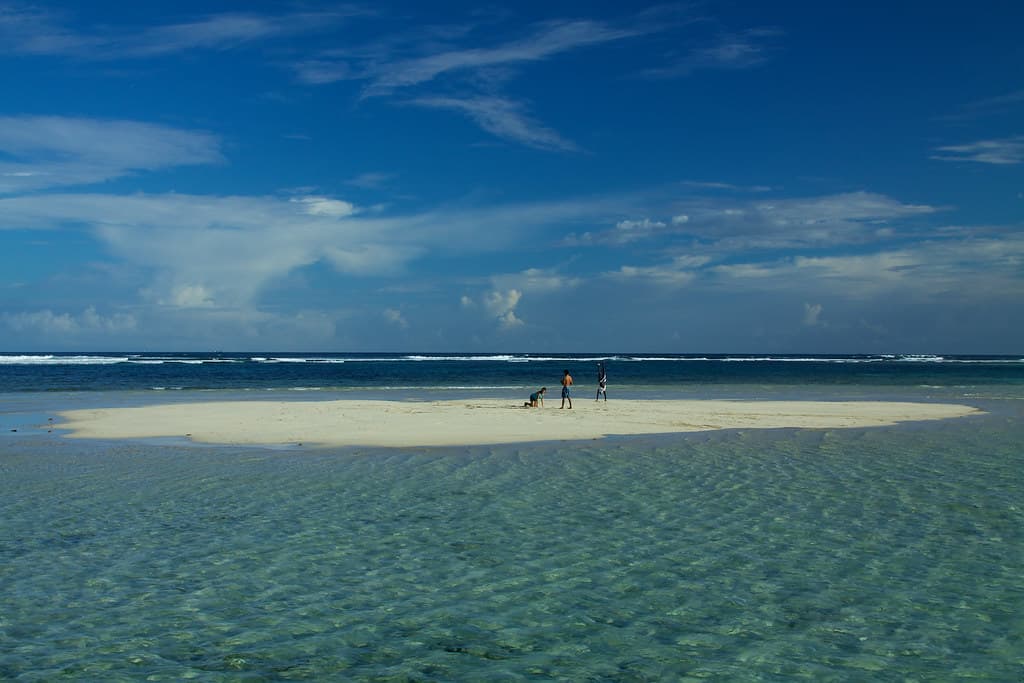
Tucked away near Mtwapa, Jumba la Mtwana Beach offers more than just sand and sea; it's a living postcard of Kenya's coastal heritage. The beach itself is a modest crescent, framed by low-lying scrub and the skeletal remains of ancient stone houses. Here, the ocean's murmur provides a timeless soundtrack to centuries of human endeavor. Unlike the sprawling, manicured resort beaches, Jumba la Mtwana feels personal, almost secret. The water, a warm, inviting turquoise, laps gently at the shore, perfect for a quiet wade or a leisurely float. Above the high tide mark, gnarled roots of coastal trees anchor the soft earth, offering dappled shade. This isn't a beach for boisterous crowds or watersports; it's a place for contemplation. Imagine dhows once docking here, their sails full of monsoon winds, trading spices and silks. Today, you trade the bustle of modern life for the tranquil embrace of history and nature, a rare and precious commodity.
Places, rentals, tours and events within walking and driving distance of Jumba la Mtwana Beach.
Photos
Swimming at Jumba la Mtwana Beach is generally possible during calm conditions, though the beach is quite small and more suited to wading and exploring than extensive swimming. Rocky areas and coral outcrops require careful navigation. Check tide schedules as the beach character changes significantly between high and low tide. The secluded nature means no lifeguards are present, so swim at your own risk. The main attraction is the scenic beauty and historic setting rather than water sports. Wear water shoes to protect against rocks and coral.
Visit Jumba la Mtwana Beach during the dry seasons from December to March or July to October for optimal conditions. Early morning or late afternoon offers the best light for photography, especially with the historic ruins as backdrop. The beach is quietest on weekdays when you can enjoy the scenic setting with minimal crowds. Combine your beach visit with touring the adjacent Jumba la Mtwana archaeological ruins; opening hours typically run from morning to late afternoon. Low tide reveals more beach area and interesting tidal pools to explore.
Jumba la Mtwana Beach is located approximately 15 kilometers north of Mombasa near Mtwapa. Drive or take a matatu along the Mombasa-Malindi highway, exiting at the signposted turnoff for Jumba la Mtwana ruins. The beach sits adjacent to the archaeological site. From Mombasa, the journey takes 30-40 minutes by car. Taxis and ride-hailing services are available for direct transport. Public transport is affordable but may require a short walk from the main road. Entry to the ruins site provides access to the beach area.
Food options directly at Jumba la Mtwana Beach are very limited due to its hidden, heritage-site location. Bring your own snacks and water for beach visits. The nearby Mtwapa area, just a few kilometers away, offers numerous restaurants, beach bars, and cafes serving seafood and Kenyan cuisine. Accommodation is not available at the beach itself; visitors typically stay in Mtwapa, which has various hotels and guesthouses, or in larger resort areas along the north coast. The beach is best visited as a day trip combined with ruins exploration.
Jumba la Mtwana Beach is unique for its combination of natural beauty and historical significance. The beach sits beside 14th-century Swahili ruins, creating an atmospheric setting that blends coastal scenery with cultural heritage. This small, hidden bay doesn't appear on standard resort beach lists, offering an intimate, Instagram-worthy experience. The beach provides a quieter, more contemplative coastal experience than busy resort stretches. Couples particularly appreciate the romantic, secluded setting. It's ideal for travelers interested in Kenya's Swahili coast history alongside natural beauty, making it a meaningful cultural-coastal destination.