
Counting the waves…
Counting the waves…

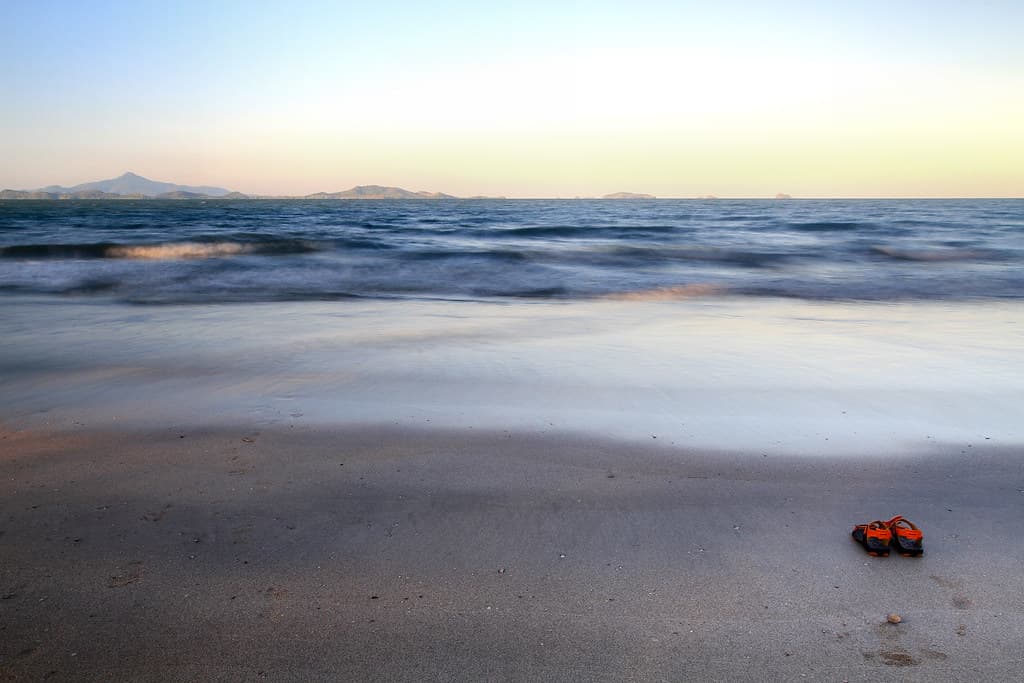
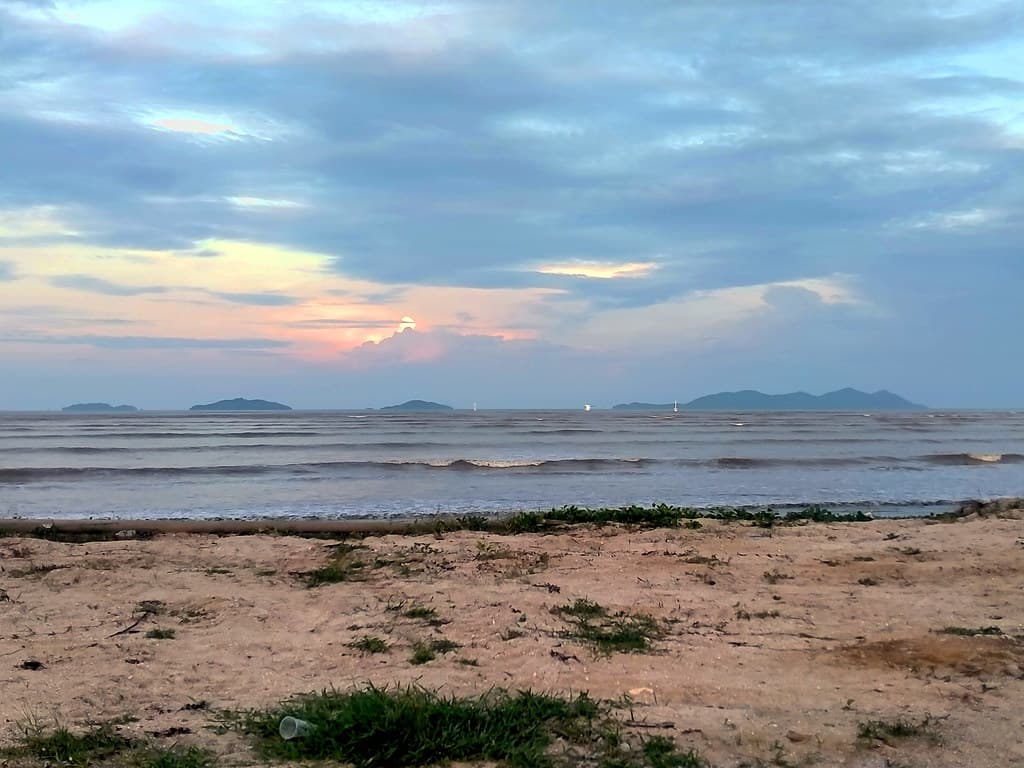
The ferry from Mersing town cuts through the Johor Strait for forty minutes, passing fishing stakes and smaller islets before Pulau Besar reveals itself—a forested hump rising from the sea, ringed by beaches that glow bone-white against the jungle canopy. You disembark at the main jetty and follow a concrete path that gives way to sand, soft and blinding in the midday sun. The beach curves gently, sheltered by headlands on either side, and the water stays shallow for thirty meters out, making it feel more like a lagoon than open ocean. Snorkeling gear in hand, you wade in. The seabed is a patchwork of sand and coral bommies, and within minutes you're hovering above brain coral the size of beach balls, watching damselfish defend their territories and blue-spotted rays glide over the sand. The current is negligible, the visibility excellent on calm days, and even children can spot sergeant majors and butterflyfish without venturing into deeper water. Back on shore, the shade beneath the casuarinas offers respite, and the absence of jet skis or beach clubs means the only soundtrack is the wash of small waves and the occasional call of sea eagles overhead. By late afternoon, day-trippers have returned to Mersing, and the beach empties. You walk the tide line collecting shells—cowries, cones, moon snails—while the sun sinks behind the mainland, painting the sky in shades of persimmon and violet. A monitor lizard crosses the sand and disappears into the undergrowth. This is an island beach that still feels unhurried, a place where the rhythms of the tide dictate the day.
Places, rentals, tours and events within walking and driving distance of Pulau Besar Beach.
Photos
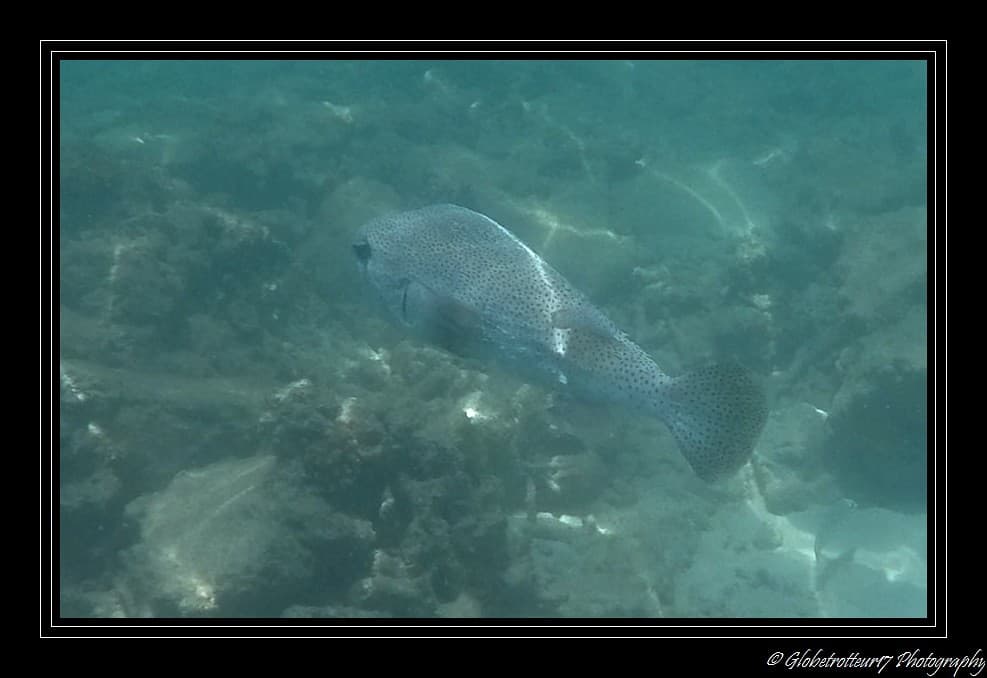
Pulau Besar Beach is generally safe for swimming, with calm, shallow waters that make it ideal for families and relaxed swims. The island's protected bays offer good snorkeling conditions with clear visibility, though it's best to stay close to shore and avoid areas with boat traffic. Always check local weather conditions before entering the water, as monsoon seasons can bring rougher seas. Life jackets are recommended for weaker swimmers, and snorkeling is best during high tide when marine life is more active near the reefs.
The best time to visit Pulau Besar Beach is between March and October, when weather conditions are most favorable with calm seas and clear skies. Avoid the northeast monsoon season from November to February, as rough seas often result in boat service cancellations and limited beach activities. Weekdays tend to be quieter than weekends when local tourists visit. For optimal snorkeling visibility and comfortable swimming temperatures, plan your trip between April and September when rainfall is minimal and the water is clearest.
Pulau Besar is accessible only by boat from Mersing town jetty. Boats typically depart from the main jetty near the town center, with journey times of 30-45 minutes depending on sea conditions. You can arrange boat transfers through your resort or book at the jetty, though advance booking is recommended during peak season. Parking is available near Mersing jetty for those driving from Johor Bahru or Singapore. Ferry schedules depend on tides and weather, so confirm departure times beforehand and arrive early.
Pulau Besar offers several beach resorts and chalets ranging from budget to mid-range options, many located directly on the beach with restaurant facilities. Most resorts provide meal packages since independent dining options on the island are limited. Amenities typically include basic restaurants serving local Malay and seafood dishes, though choices are more restricted than mainland Mersing. It's advisable to book accommodation in advance, especially during weekends and school holidays. Some resorts offer day-trip packages if you prefer not to stay overnight.
Pulau Besar is considered a sacred island by some Muslims, featuring several keramat (sacred shrines) and the tomb of Nenek Kebayan, a legendary figure in Malay folklore. Many visitors come specifically for spiritual purposes, combining beach relaxation with visits to these religious sites scattered across the island. The island's name means 'Big Island,' but it also holds significance as a pilgrimage destination. Visitors should dress modestly when visiting these sites and respect local customs and religious practices observed by pilgrims.