Counting the wavesβ¦

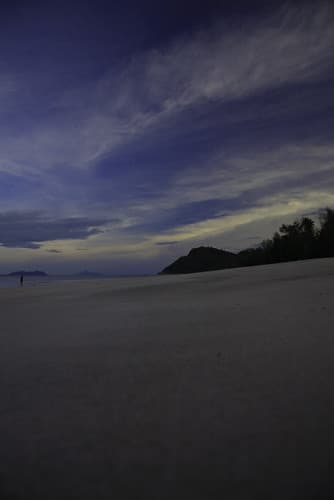
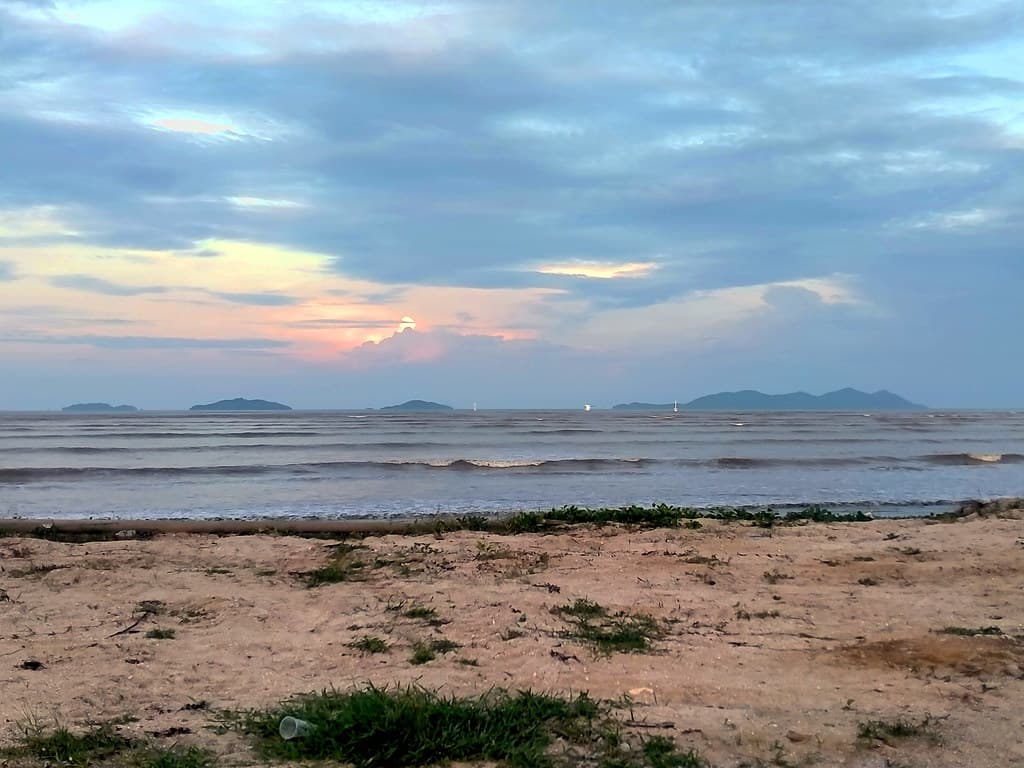
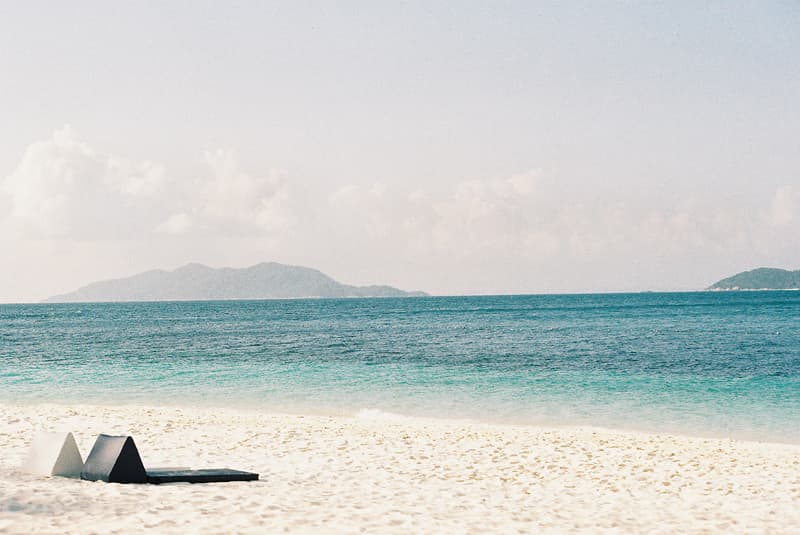
The speedboat cuts its engine just offshore, and you wade the last few meters through bath-warm shallows that shift from jade to cobalt within arm's reach. Rawa Island Beach curves in a gentle crescent, bordered by coconut palms and shade-giving casuarinas that filter the South China Sea breeze into something softer. Families spread mats near the jetty where the sand is flattest; couples wander toward the northern end where granite boulders frame tide pools alive with hermit crabs and blennies. You don't need to swim far. Ten strokes from shore, the seabed drops away into coral gardens where blue-spotted stingrays glide over staghorn formations and sergeant-major fish dart between table corals. The visibility stretches twenty feet on calm days, letting you track butterflyfish as they nibble at soft corals. By late afternoon, the snorkelers return to shore, salt-crusted and sun-drunk, while the resident monitor lizard makes its daily patrol along the tideline. Nights here arrive with little fanfareβno beach clubs, no amplified music. The handful of chalets switch on yellow bulbs that attract flying foxes to the fruiting trees. You'll eat grilled stingray and sambal at simple outdoor tables, your feet still sandy, while the Milky Way sharpens overhead. Morning brings white-throated kingfishers to the shallows, hunting for breakfast as the first boat from Mersing rounds the headland.
Places, rentals, tours and events within walking and driving distance of Rawa Island Beach.
Photos
Rawa Island Beach is generally safe for swimming and snorkeling, with calm, clear waters protected by the surrounding island geography. The turquoise waters remain relatively shallow near shore, making it suitable for families and beginners. Snorkeling conditions are excellent around coral areas, but always wear reef-safe shoes to protect against sea urchins. During monsoon season (November-February), waters can become rough and some resorts close. Life jackets are available at most resorts, and it's advisable to snorkel in designated areas and inform resort staff of your plans.
The best time to visit Rawa Island Beach is between March and October, when seas are calm and weather is ideal for island activities. Peak season runs from June to August, offering the best underwater visibility for snorkeling but also higher prices and more crowds. April-May and September-October provide excellent weather with fewer tourists. Avoid November through February during the northeast monsoon, when rough seas often prevent boat transfers and many resorts close temporarily. Book accommodations well in advance for weekends and Malaysian public holidays.
Rawa Island is accessible only by boat from Mersing jetty on mainland Johor. Drive to Mersing town (approximately 3.5 hours from Kuala Lumpur or 2 hours from Johor Bahru) and park at designated parking areas near the jetty, which charge daily fees (around RM10-15). Most resorts arrange boat transfers that take 30-45 minutes, departing morning and returning afternoon. Coordinate your arrival time with your resort as boats operate on fixed schedules. Public parking is available but spaces fill quickly during peak season and weekends.
Rawa Island has limited accommodation, with most visitors staying at the main Rawa Island Resort or Alang's Rawa resort, both offering beach chalets and packages including meals. There are no independent restaurants or shops on the island, so accommodation packages typically include three meals daily featuring local Malaysian and seafood dishes. Day-trippers can purchase meal vouchers at resorts, though advance arrangement is recommended. Bring any specific snacks, medications, or supplies from Mersing as there are no convenience stores. The island maintains its pristine character through this limited development approach.
While resorts on Rawa Island typically provide complimentary snorkeling gear for guests, the quality and availability can vary. Many experienced snorkelers prefer bringing their own mask and snorkel for better fit and hygiene, though fins are less essential given the easy beach access to coral areas. Rental equipment is available if you forget yours. Consider bringing an underwater camera, reef-safe sunscreen, and a rash guard for sun protection during extended snorkeling sessions. The house reef is accessible directly from the beach, eliminating the need for boat trips to snorkeling spots.