Counting the waves…
Counting the waves…

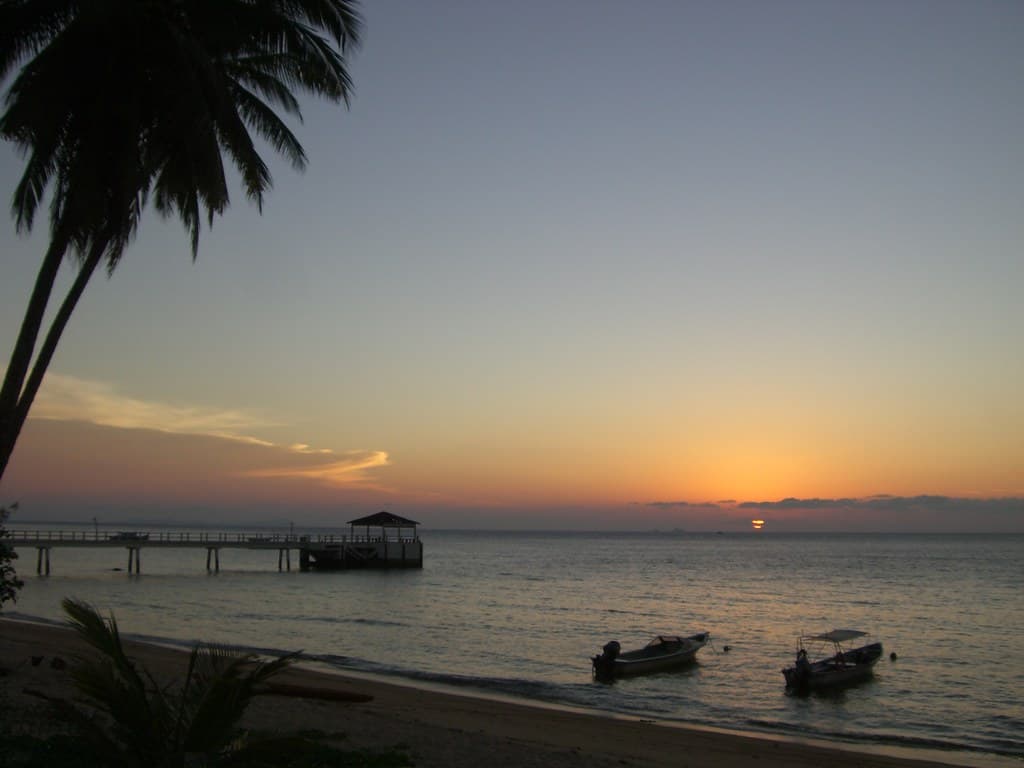
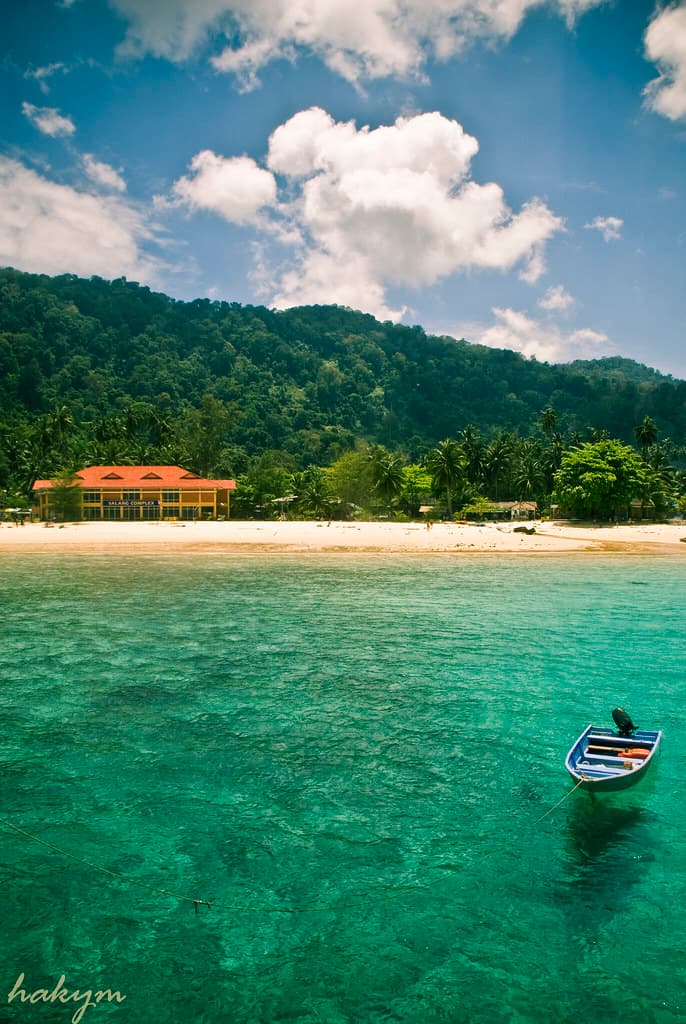
You'll reach Genting by boat from Mersing or Tanjung Gemok, the ferry gliding past jungle headlands until the village reveals itself: a crescent of stilted chalets, a single jetty, and beach chairs scattered beneath casuarina trees. This isn't a resort stretch—it's a working kampung where children chase hermit crabs at low tide and elderly men smoke clove cigarettes on verandahs facing the water. The pace here resists hurry; even the tide pools refill slowly, revealing sea urchins and striped shrimp. The bay's protected position keeps the water calm most mornings, ideal for floating with a mask while sergeant majors and parrotfish browse the coral bommies thirty meters offshore. By afternoon, the breeze picks up just enough to dry your sarong on the balcony railing. Genting's handful of guesthouses serve grilled stingray and sambal kang kong at wooden tables where you'll likely be the only guests, the menu dictated by what the boats brought in that morning. Stay three nights minimum—this beach rewards those who surrender their itinerary. Spend mornings snorkeling the house reef, afternoons napping in a hammock strung between palms, evenings watching the sun sink behind the mainland hills while the village mosque's call to prayer echoes across the bay. Genting doesn't perform for visitors; it simply continues, and invites you to continue alongside it.

Places, rentals, tours and events within walking and driving distance of Genting Beach.
Photos
Genting Beach generally offers calm, safe swimming conditions due to its sheltered bay location on Pulau Tioman. The waters are typically gentle with minimal currents, making it suitable for most swimmers. However, always check local conditions as monsoon seasons can affect water clarity and wave activity. The beach lacks lifeguards, so swim during daylight hours and stay aware of your surroundings. Snorkeling near the rocky areas is popular, but wear water shoes to protect against sea urchins and sharp coral. Consult your accommodation staff about current conditions before swimming.
The best time to visit Genting Beach is during the dry season from March to October, with April to September offering the most reliable weather. Avoid November through February when the northeast monsoon brings heavy rains, rough seas, and many resorts close entirely. May and June typically provide excellent conditions with calm seas perfect for snorkeling and swimming. Since Genting Beach appeals to couples and those seeking tranquility, weekdays outside Malaysian school holidays offer the quietest experience. Water visibility for marine life spotting is usually best during dry months.
Reaching Genting Beach requires a ferry to Pulau Tioman followed by a boat transfer. Take a ferry from Mersing or Tanjung Gemok on mainland Malaysia to Tioman (journey takes 1.5-2.5 hours). From major arrival points like Tekek or Salang, arrange a sea taxi or boat transfer to Genting Beach, as the village is only accessible by boat—there are no roads connecting it to other parts of the island. Some resorts arrange transfers for guests. Book ferry tickets in advance during peak season, and note that rough seas can cause cancellations.
Genting Beach has limited but adequate amenities focused on peaceful, low-key stays. Several small guesthouses and budget-to-mid-range chalets are available, often family-run and intimate in scale. Dining options consist primarily of small restaurants and cafes serving fresh seafood and Malaysian cuisine, typically attached to accommodations. Don't expect extensive menus or fine dining—the emphasis is on simple, home-style cooking. There are no ATMs or shops, so bring sufficient cash and essentials from the mainland. Advance booking is recommended, especially during the March-October season when properties are open.
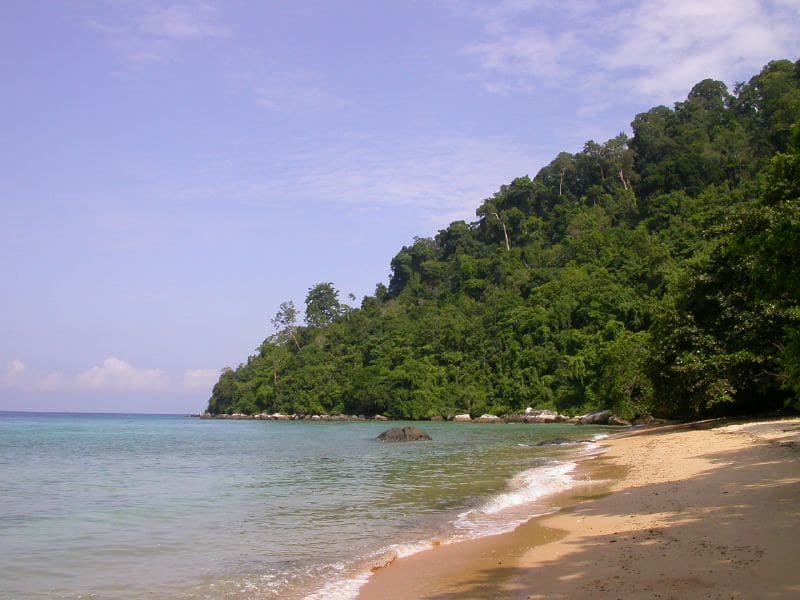
Genting Beach remains relatively undeveloped and secluded compared to Tioman's busier beaches like Salang or ABC Beach. Its boat-access-only location preserves its quiet, village atmosphere with a small local community and minimal tourism infrastructure. The beach attracts couples and travelers seeking a slower pace without jet skis, beach bars, or crowds. The surrounding jungle and traditional kampung (village) setting create an authentic island experience. This hidden quality means fewer facilities but greater tranquility, making it ideal for disconnecting, snorkeling in uncrowded waters, and experiencing a simpler side of island life.