Counting the waves…
Counting the waves…

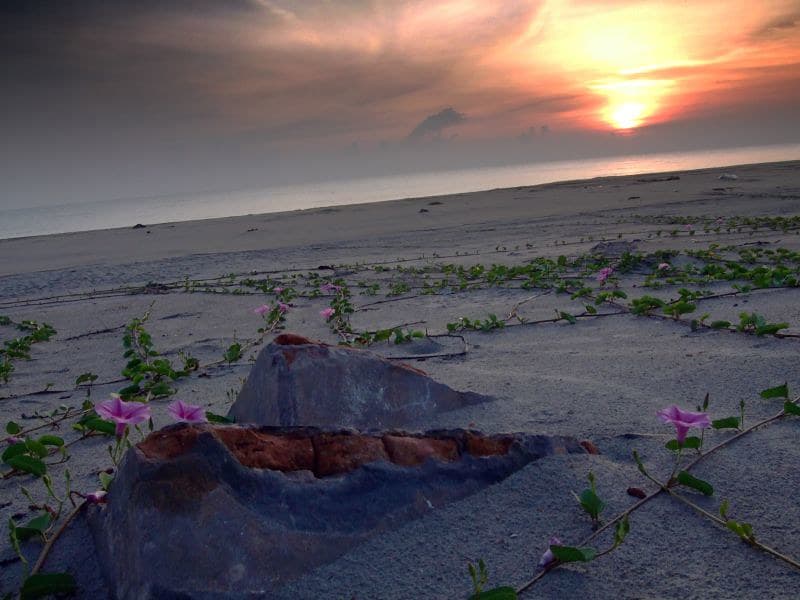
The name translates to "Moonlight Beach," though you'll quickly learn the real show happens hours before stars appear. As the sun descends toward the horizon, the entire shoreline takes on a honeyed glow—the kind that turns ordinary beach outings into something you'll replay in memory long after you've rinsed the last grains from your towel. Families arrive in waves, claiming their territories with coolers and makeshift shelters, while you navigate between clusters of picnickers and the occasional goat wandering from nearby kampung. The beach itself runs long and shallow, the tide retreating so far at times you can walk a hundred meters before the water reaches your knees. This languid gradient makes it ideal for children testing their courage against small waves, and for you to stretch out under a rented umbrella without worrying about sudden depth. Local vendors work the sand selling grilled squid, coconut water hacked open with machetes, and ais kacang so cold it numbs your temples. By evening, the atmosphere shifts from recreational to something approaching communal meditation. You'll notice how conversations quiet as burnt orange bleeds across the sky, how even the most restless toddlers pause to watch fishing boats become silhouettes. The breeze picks up, carrying salt and charcoal smoke, and for a few suspended minutes, Kelantan's flagship beach earns every bit of its reputation—not through pristine isolation, but through this generous, unpretentious theater of daily beauty.
Places, rentals, tours and events within walking and driving distance of Pantai Cahaya Bulan.
Photos
Pantai Cahaya Bulan has generally calm, shallow waters suitable for families with children, though swimming conditions vary with tides and monsoon seasons. The beach is more popular for wading and paddling than serious swimming. During the northeast monsoon (November to March), waves can be rougher and swimming is not recommended. Always check local conditions before entering the water, as lifeguard services may be limited. The sandy, gently sloping beach makes it safer for supervised children's play rather than deep-water swimming activities.
The best time to visit is during dry season from April to October, when the weather is sunny and seas are calmer. The beach is especially beautiful at sunset, typically between 6:30-7:30 PM, when the sky transforms with vibrant colors. Weekends and public holidays see larger family crowds. Visit weekday afternoons for a quieter experience. Avoid the northeast monsoon season (November-March) when heavy rains and strong winds make beach activities less enjoyable. Early mornings offer cooler temperatures for walks, while late afternoons provide the famous sunset views.
Pantai Cahaya Bulan is located about 10 kilometers north of Kota Bharu city center, approximately 15-20 minutes by car. You can reach it by taxi, e-hailing services like Grab, or rental car via Route 3. Look for signage pointing to 'PCB' or 'Pantai Cahaya Bulan.' Ample free parking is available at designated areas near the beach entrance. Local buses also serve the route from Kota Bharu, though schedules may be infrequent. The beach is easily accessible and well-signposted from the main road.
The beach area has various food stalls and small restaurants serving local Kelantanese cuisine, fresh coconuts, snacks, and grilled seafood. Options range from simple roadside vendors to more established eateries along the beachfront. Basic amenities include public restrooms, changing facilities, and sheltered picnic areas. Beach equipment rentals may be available seasonally. For more extensive dining and accommodation options, Kota Bharu city center is just 10 kilometers away with numerous hotels, guesthouses, and restaurants. Bring cash, as many small vendors don't accept cards.
Pantai Cahaya Bulan translates to 'Moonlight Beach' or 'Beach of Passionate Love,' earning its romantic name from the beautiful moonlit nights that illuminate the coastline. The beach was formerly known as Pantai Cinta Berahi (Beach of Passionate Love), but was renamed in the 1960s to reflect more conservative Islamic values in Kelantan. Despite the name change, it remains the state's most famous beach destination. The name also references the serene atmosphere during full moon nights, when locals traditionally gather to enjoy the coastal scenery.