Counting the waves…
Counting the waves…

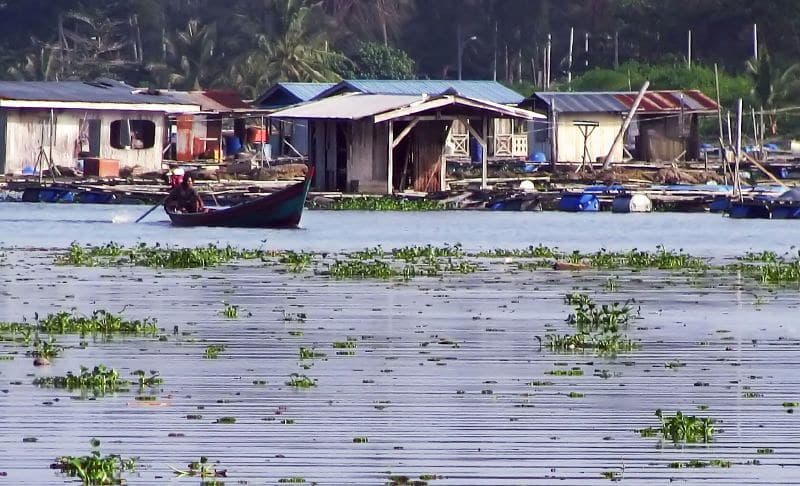
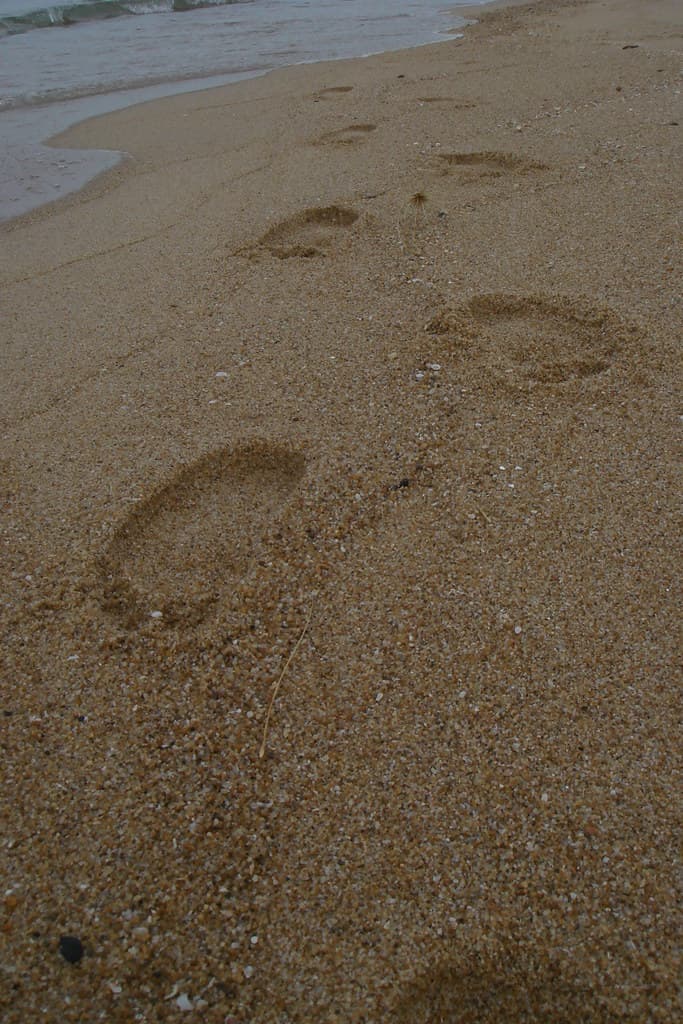
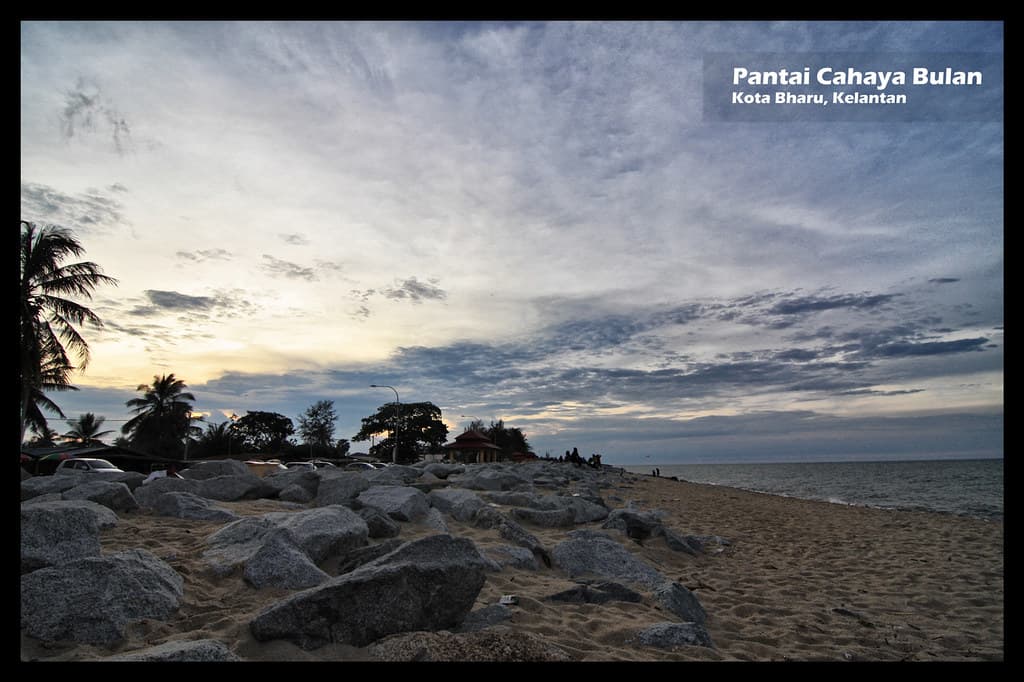
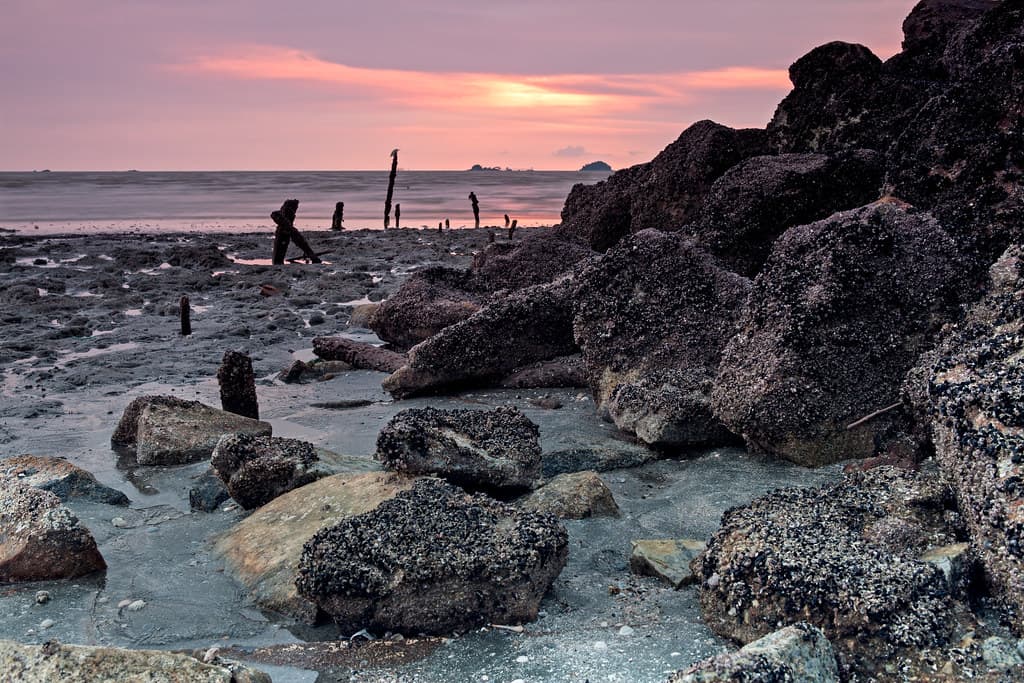
Pantai Geting unfurls along Tumpat's sleepy coastline like a ribbon the tourism industry forgot to tie. The sand runs tawny and fine, flecked with shell fragments and the occasional tangle of driftwood deposited by the monsoon months. Fishing boats painted turquoise and ochre bob just offshore, and you'll often see men in sarongs mending nets under makeshift shelters of corrugated tin and palm thatch. The water lacks drama—no coral heads, no roaring surf—but that restraint is precisely the point. Shallow for dozens of metres out, it welcomes toddlers and grandmothers alike. Come late afternoon and the light performs its daily spectacle. The casuarina grove behind the beach filters the sun into dappled golds, and the horizon softens from glare to rose. Local families arrive on motorbikes, laying out woven mats and plastic coolers stocked with rice and fried chicken. This is not a beach engineered for travellers; it simply exists for the people who live beside it, and you're welcome to sit quietly within that rhythm. Tumpat itself remains anchored in tradition—wau bulan kites are still crafted by hand in nearby workshops, and the call to prayer from wooden mosques marks the hours. Pantai Geting asks nothing of you but presence: a barefoot walk, a swim as the tide recedes, a sunset watched from sand still warm beneath your feet.
Places, rentals, tours and events within walking and driving distance of Pantai Geting.
Photos
Pantai Geting is generally suitable for swimming, particularly for families with children, as it's a local beach with calmer waters compared to some exposed coastal areas. However, conditions can vary with tides and monsoon season. Always check local weather before visiting and swim during daylight hours. The beach sees regular local use, which means you're unlikely to be alone. Avoid swimming during the northeast monsoon (November-March) when seas can be rougher. As with any beach, supervise children closely and be aware of currents.
The best time to visit Pantai Geting is between March and October, outside the northeast monsoon season. During these months, you'll enjoy calmer seas, less rain, and better beach conditions. The beach is particularly beautiful at sunset, making late afternoon visits ideal. Weekends see more local families, while weekdays are quieter. Avoid November through February when heavy rains and rough seas affect Kelantan's coast. Early mornings and late afternoons offer cooler temperatures and stunning light for photography.
Pantai Geting is located in Tumpat district, approximately 20-25 kilometers from Kota Bharu city center. You'll need a car or motorcycle to reach this beach, as public transport is limited. From Kota Bharu, head north toward Tumpat and follow local signage. The roads are generally well-maintained. Parking is typically available near the beach, often informal roadside parking areas. As a less-developed beach, facilities may be basic. Consider using GPS navigation or asking locals for directions in Tumpat town.
As a hidden, local beach, Pantai Geting has limited on-site amenities. You may find occasional local food vendors, particularly on weekends, selling snacks and drinks, but facilities are basic. It's advisable to bring your own food, water, and beach supplies. For proper meals and more options, head to nearby Tumpat town, just a short drive away, where you'll find local Kelantanese restaurants and warungs. Accommodation options are better in Kota Bharu, about 20 kilometers south, which offers various hotels and guesthouses.
Pantai Geting offers a more authentic, low-key experience compared to busier beaches. It's favored by locals rather than tourists, giving visitors a glimpse into everyday Malaysian coastal life. The beach provides beautiful sunset views over the South China Sea and maintains a peaceful, uncommercialized atmosphere. Being on Kelantan's north coast, it's less frequented than beaches closer to Kota Bharu. The uncrowded setting makes it ideal for families seeking a quiet beach day and photographers wanting to capture Kelantan's coastal scenery without crowds.