Counting the waves…
Counting the waves…

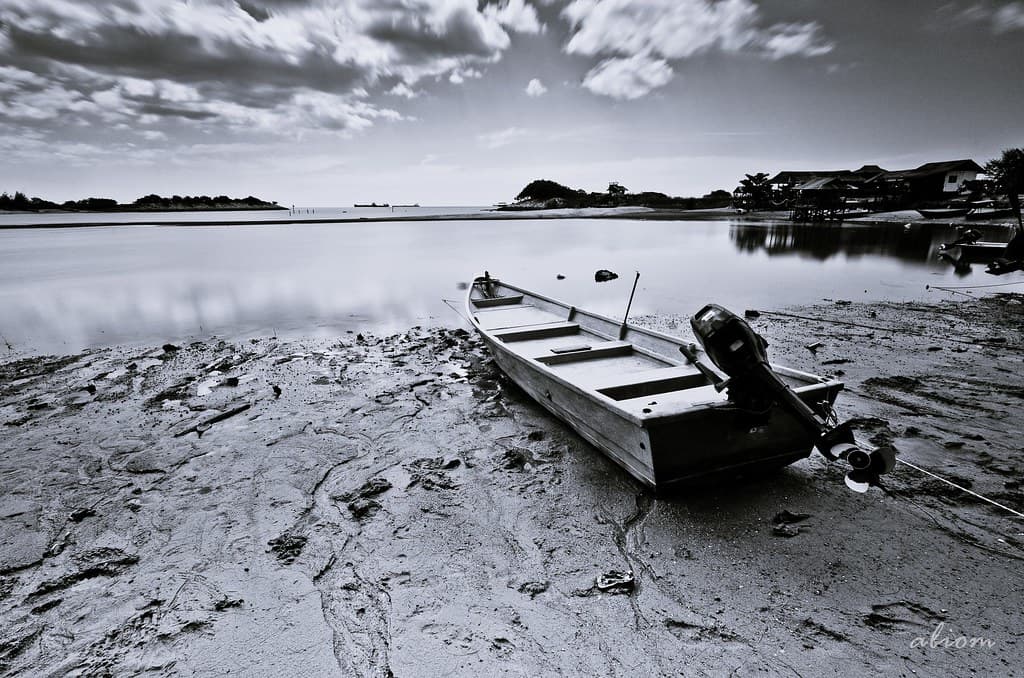
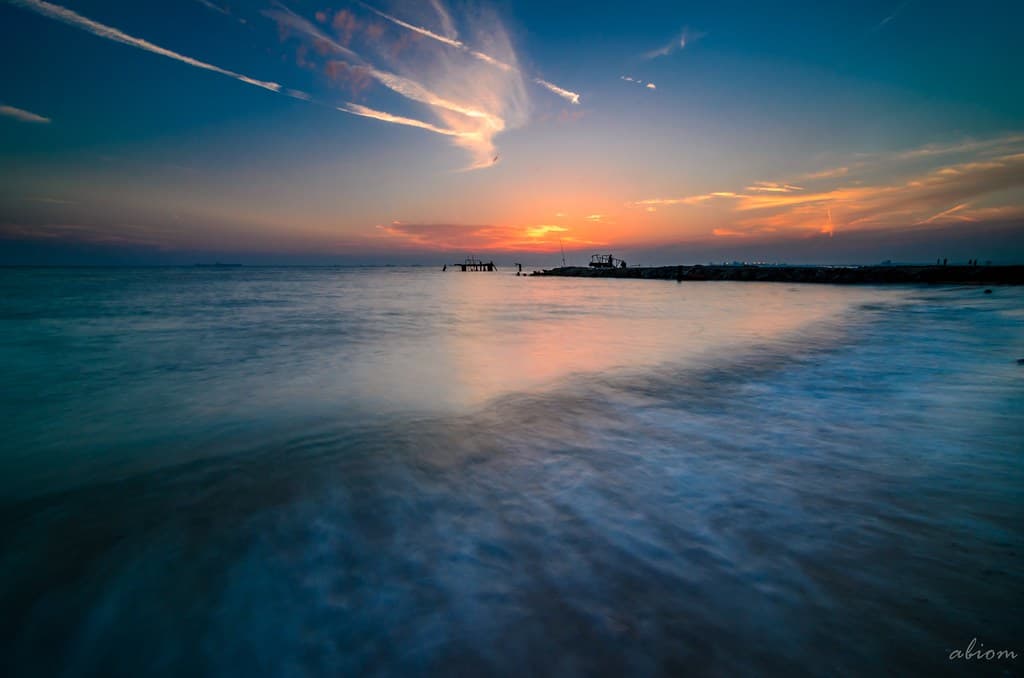
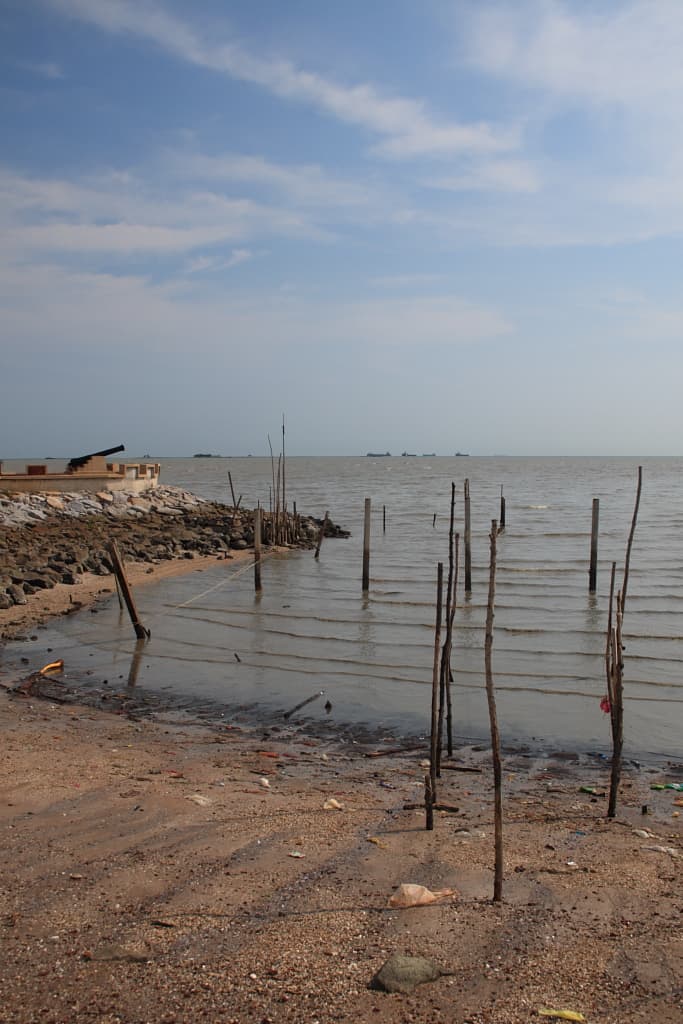
You won't find white sand or beach umbrellas at Portuguese Settlement Beach, but you will find Mrs. Pereira grilling stingray with sambal at her family-run stall, smoke curling into the humid evening air. This narrow strip of reclaimed land belongs to Melaka's Eurasian community, descendants of Portuguese colonizers who've maintained their dialect, Catholic traditions, and seafood recipes for five centuries. The shoreline itself is modest—a concrete walkway edging silty water where small boats bob at anchor—but the atmosphere is intoxicating: children kicking soccer balls near the Santa Casa da Misericórdia chapel, fishermen mending nets, the sing-song lilt of Cristang floating from open-air restaurants. Visit during low tide when the water pulls back to reveal mudflats dotted with periwinkles, and locals emerge for their evening constitutional. The settlement's dozen or so seafood restaurants come alive after 5 p.m., tables spilling onto the sidewalk, ceiling fans churning the briny air. Order baked crab, Portuguese baked fish layered with tomatoes and onions, or sugee cake with your Anchor beer. This is not a beach for swimming or solitude—it's a living neighborhood that happens to face the sea. The value lies in witnessing a community's stubborn cultural persistence against Melaka's rapid modernization, savoring food cooked to grandmothers' specifications, and watching the sunset stain the strait the color of aged port.
Places, rentals, tours and events within walking and driving distance of Portuguese Settlement Beach.
Photos
Portuguese Settlement Beach is generally not recommended for swimming. The water can be murky with strong currents, and it's primarily a shallow, muddy coastal area rather than a traditional sandy swimming beach. The shoreline is better suited for walking and enjoying coastal views. Locals mainly use this area for fishing and cultural activities rather than water recreation. If you're looking for swimming beaches in Melaka, consider heading to Klebang Beach instead, which offers clearer waters and better facilities for beachgoers.
The best time to visit Portuguese Settlement Beach is during late afternoon around 5-7 PM when temperatures cool down and you can enjoy sunset views over the Straits of Melaka. Avoid midday heat and humidity. The dry season from March to September generally offers better weather, though the beach is accessible year-round. Weekends are livelier with more seafood restaurants open, while weekdays are quieter. Visit during the Festa de San Pedro (June) to experience the Portuguese Eurasian community's vibrant cultural celebrations and processions along the waterfront.
Portuguese Settlement Beach is located about 3 kilometers from Melaka's city center in Ujong Pasir. You can reach it by taxi, Grab (approximately RM10-15 from the city), or rental car. Follow signs to 'Portuguese Settlement' or 'Padang Temu' along Jalan Ujong Pasir. Limited street parking is available near the settlement's restaurants and community square. The area isn't well-served by public buses, so private transport is recommended. The settlement is compact and easily explored on foot once you arrive.
The Portuguese Settlement features several seafood restaurants serving authentic Portuguese Eurasian cuisine, including devil's curry, baked fish, and grilled seafood. Most restaurants are family-run establishments along the waterfront, busier on weekends and evenings. There are no hotels directly at the beach, but budget guesthouses exist in the settlement, and Melaka city center offers full accommodation options. Facilities are basic—public restrooms are limited, and there are no beach equipment rentals or formal amenities. Bring cash as not all restaurants accept cards.
Portuguese Settlement Beach is home to one of Malaysia's unique Eurasian communities, descendants of 16th-century Portuguese colonizers who intermarried with locals. This small enclave preserves Portuguese Creole language (Cristang), Catholic traditions, and distinctive cuisine blending Portuguese and Malay influences. The settlement, established in 1933, represents living cultural heritage rarely found elsewhere in Southeast Asia. Visitors can experience this through local restaurants, the mini museum, community festivals, and conversations with residents who maintain traditions their ancestors brought over 500 years ago.