Counting the waves…
Counting the waves…

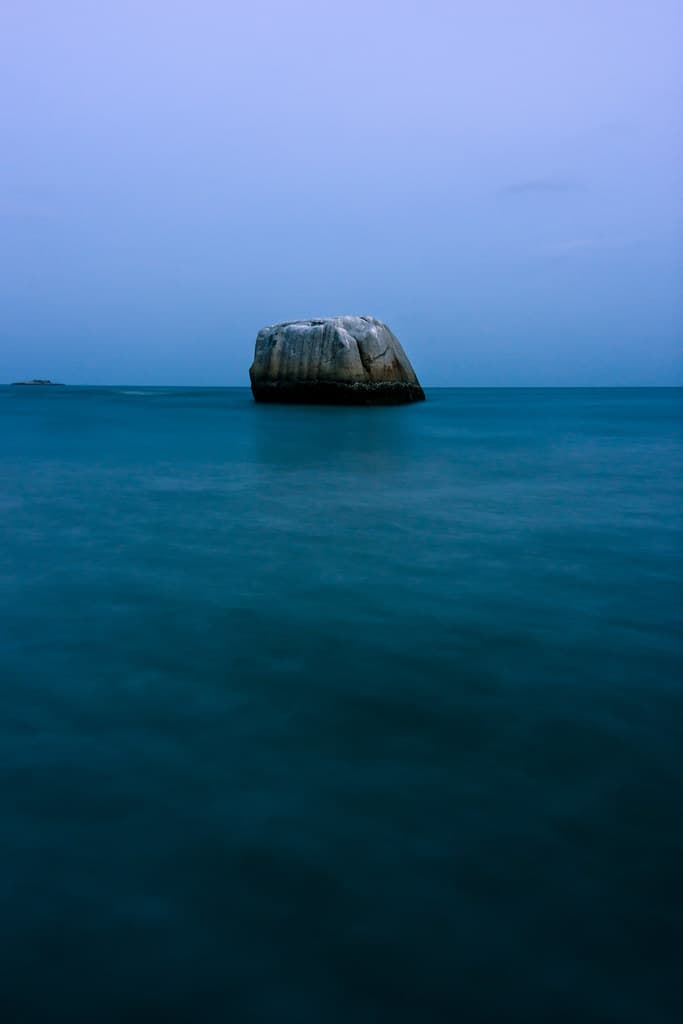
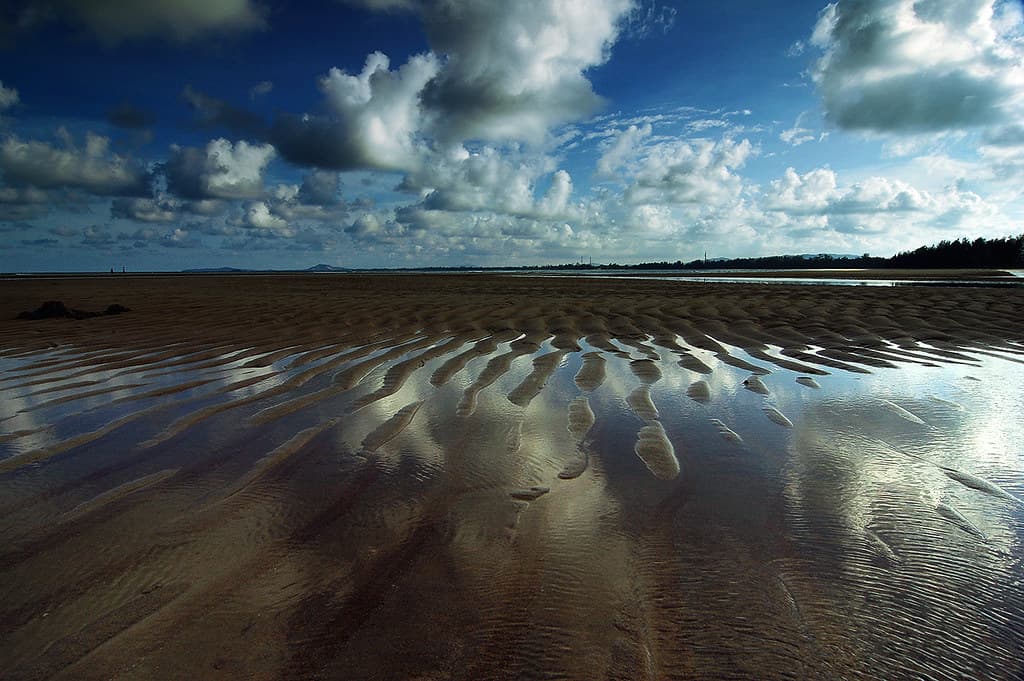
Pantai Pelindung earns its name—"protector beach"—not from reef or breakwater but from its role as a quiet refuge from Kuantan's busier coastline. The sand slopes gently into bathwater-warm shallows, interrupted only by the occasional wooden fishing boat anchored just beyond the surf. Casuarina pines whisper overhead, casting striped shadows across families spreading out woven mats and uncapping thermoses of hot tea. Mid-afternoon brings a lull: the beach empties save for a handful of anglers casting lines from the rocky outcrops at the northern end. By five o'clock the light softens, and locals begin arriving in pickup trucks, children spilling out with kites and footballs. The western exposure means you'll watch the sun sink directly into the sea, the sky cycling through peach, rose, and finally violet as the first food stalls fire up their grills along the access road. This is a beach that rewards aimlessness—no jet skis, no beach clubs, no umbrellas for rent. You bring what you need, claim a stretch of sand beneath the pines, and let the rhythm of low, rolling waves set the pace. When hunger strikes, follow the scent of grilled squid and sambal to the roadside hawkers, then return to the sand with greasy fingers and the last threads of daylight warming your face.
Places, rentals, tours and events within walking and driving distance of Pantai Pelindung.
Photos
Pantai Pelindung is generally calm and suitable for swimming, especially during good weather. However, as with any beach on Malaysia's east coast, conditions can change with monsoon seasons and tides. There are no lifeguards on duty, so swim at your own risk and stay alert to changing conditions. The beach is relatively quiet and shallow near the shore, making it reasonable for families, but always supervise children. Avoid swimming during rough seas or if warning signs are posted. Check local weather forecasts before visiting.
The best time to visit Pantai Pelindung is between March and September, outside the northeast monsoon season which typically runs from November to February. During the monsoon, the sea can be rough with heavy rainfall. For sunset viewing, which this beach is known for, arrive in the late afternoon around 6-7pm. Weekdays offer a quieter experience compared to weekends when locals may visit. Early mornings also provide peaceful moments with fewer crowds, ideal for those seeking tranquility along this hidden gem.
Pantai Pelindung is located approximately 15 kilometers north of Kuantan town center along the coastal road. You'll need a car or taxi to reach it, as public transport options are limited. From Kuantan, head north on Route 3 and follow signs toward the beach. There is basic parking available near the beach entrance, typically free or minimal cost. The beach is less developed than major tourist spots, so facilities are basic. A GPS or map application will help navigate, as signage may be limited in this quieter area.
Pantai Pelindung is a relatively undeveloped beach with limited on-site facilities. You may find small local warungs or food stalls nearby offering simple Malaysian dishes and refreshments, though availability can vary. For more dining options and accommodations, Kuantan town center is about 15 kilometers away and offers numerous hotels, guesthouses, and restaurants. Many visitors treat Pantai Pelindung as a day trip or sunset stop rather than an overnight destination. Bring snacks and water if visiting during quieter times when vendors might not be present.
Pantai Pelindung remains relatively unknown compared to Kuantan's more famous beaches like Teluk Chempedak. It attracts fewer tourists and maintains a local, authentic atmosphere without commercial development or crowds. The beach offers a peaceful alternative for travelers seeking genuine coastal vibes away from tourist infrastructure. Its sunset views and quiet ambiance appeal to those wanting to experience Malaysia's east coast in a more secluded setting. This hidden quality makes it popular among locals and travelers who prefer discovering lesser-known spots off the typical tourist trail.