Counting the waves…
Counting the waves…

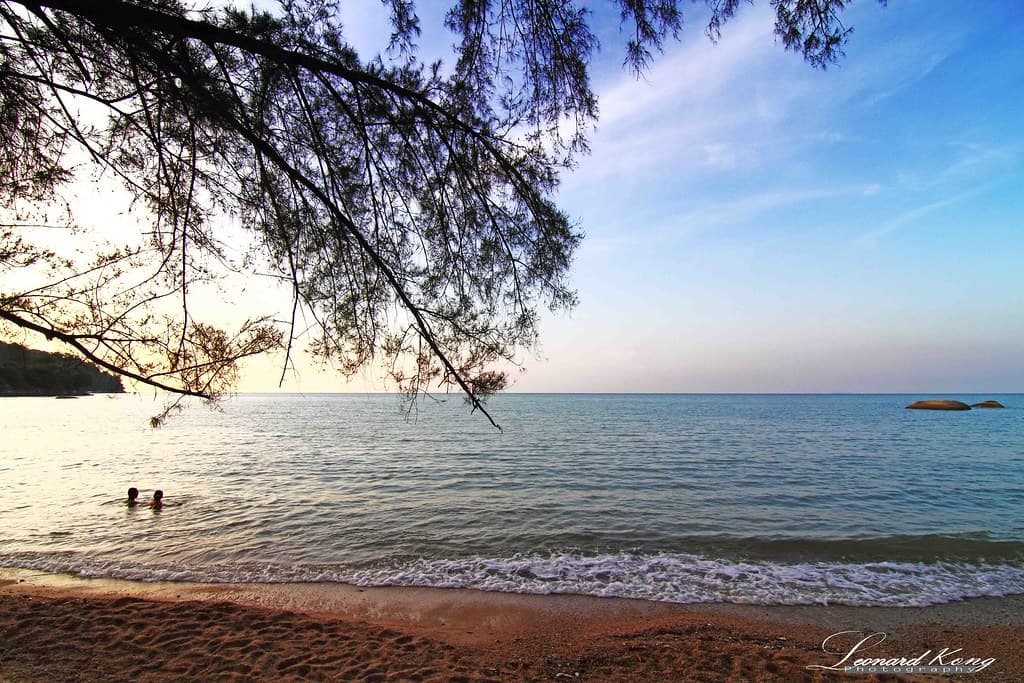
Batu Ferringhi doesn't pretend to be untouched. This is Penang's flagship beach, a busy, accessible ribbon of sand that sprawls along the island's northern coast, hemmed in by mid-rise hotels on one side and the Strait of Malacca on the other. The sand here is coarse, honey-toned, sometimes littered with driftwood and the odd plastic bottle—honest in the way working beaches are. Mornings bring families wading into the calm shallows; afternoons see parasailers ascending on neon parachutes, their laughter audible even from the road. The water itself is murky green, stirred by boat traffic and tides, but it's swimmable, warm, forgiving. What keeps you here isn't the postcard aesthetic—it's the rhythm. By late afternoon, the heat softens, vendors begin wheeling carts toward the night market strip just behind the sand, and the scent of satay and fried kuih drifts down to the waterline. You can walk the entire beachfront in forty minutes, passing sunburned holidaymakers, local teenagers tossing frisbees, Indonesian workers on their day off. Sunsets are reliably theatrical, the kind that turn every smartphone into a camera. Batu Ferringhi works because it doesn't try to be remote. It's functional, social, unapologetically urban—a beach shaped by decades of Malaysian family weekends and package-tour itineraries. You come here not to escape civilization but to wade into a different, saltier slice of it.
Places, rentals, tours and events within walking and driving distance of Batu Ferringhi Beach.
Photos
Batu Ferringhi Beach is generally safe for swimming, though conditions vary seasonally. The water is calmest from December to March, ideal for families and casual swimmers. During monsoon season (April to October), waves can be stronger and jellyfish may appear, so exercise caution. The beach slopes gently, making it suitable for children in shallow areas. Lifeguards aren't always present, so supervise kids closely. Watch for warning flags and ask local vendors about current conditions. The beach is well-populated during daylight hours, adding to overall safety.
The best time to visit Batu Ferringhi Beach is during the dry season from December to March, when seas are calmer and rainfall is minimal. For weather, late afternoons offer cooler temperatures and stunning sunset views—the beach faces northwest, making it Penang's premier sunset spot. Weekdays are less crowded than weekends. The beach is accessible year-round, but April to October brings monsoon rains and rougher seas. Early mornings are perfect for peaceful walks, while evenings come alive with the famous Batu Ferringhi Night Market.
Batu Ferringhi Beach is located about 30 minutes from George Town, accessible via Jalan Batu Ferringhi coastal road. Take RapidPenang bus 101 from Weld Quay or KOMTAR (approximately RM2-4, runs frequently). Taxis and Grab are readily available from Georgetown (RM25-40). If driving, parking is available along the beachfront road and at hotels—most street parking is free but can fill up on weekends and holidays. The beach stretches several kilometers, so choose your entry point based on your preferred hotel or activity area.
Batu Ferringhi offers extensive dining and accommodation options. The beachfront is lined with international resort hotels (Hard Rock Hotel, Shangri-La) and budget guesthouses. Restaurants serve Malaysian, Chinese, Indian, and Western cuisine along the main road. Beach vendors sell snacks, fresh coconuts, and grilled seafood. The famous Batu Ferringhi Night Market (evenings only) offers street food and souvenirs. Amenities include water sports rentals (jet skis, parasailing, banana boats), beach chairs, changing facilities at hotels, and convenience stores. Public restrooms are limited outside hotel areas.
Batu Ferringhi is Penang's water sports hub, offering parasailing, jet skiing, banana boat rides, and kayaking. Prices are negotiable with beach vendors—expect to pay RM50-150 depending on the activity. Parasailing is particularly popular for aerial views of the coastline. Some operators offer ATV rides and horse riding along the beach. Water sports are most active during dry season weekends. The beach also attracts those seeking relaxation—many visitors simply sunbathe, swim, or enjoy sunset strolls. Evening brings cultural performances at some resorts.