Counting the waves…
Counting the waves…

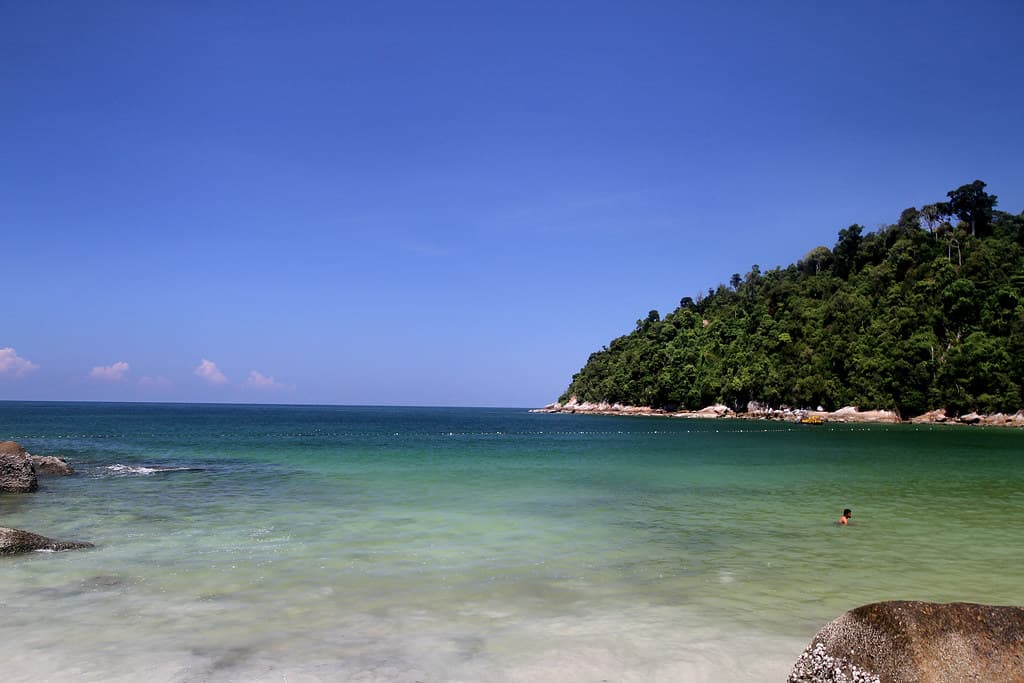
Teluk Nipah unfolds as a half-mile arc of caramel sand on Pangkor Island's quieter northwestern flank, where the Strait of Malacca laps so gently you can wade out fifty meters and still stand. Casuarina trees lean over the upper beach, their needle-drops carpeting the dry sand, while wooden fishing boats sit motionless on the glassy water most mornings. Small guesthouses and family-run warungs line the single paved road that hugs the shore, their hand-painted signs advertising nasi lemak and iced Milo. The beach comes alive in waves throughout the day. Morning joggers trace the tideline before the heat settles in. By noon, sunbathers claim the weathered lounge chairs beneath rented umbrellas, and the scent of grilled stingray drifts from beachfront kitchens. You'll share the sand with Malay and Chinese families who treat this as their weekend escape from Ipoh and Kuala Lumpur, coolers packed with thermoses of homemade barley water. As the afternoon softens, the real show begins. The sun sinks toward the islands on the horizon, staining the water copper and rose. Couples settle onto the sea wall with plastic bags of cut pineapple. Fishermen push their boats back into the shallows. The sky deepens to violet, and soon the only sounds are waves folding over sand and the distant hum of motorbikes heading back to town.

Places, rentals, tours and events within walking and driving distance of Teluk Nipah Beach.
Photos
Teluk Nipah Beach is generally safe for swimming, with calm, shallow waters that make it particularly suitable for families with children. The beach is sheltered in a bay, which means waves are typically gentle. However, always exercise caution during monsoon season (September to November) when conditions can be rougher. There are no permanent lifeguards stationed, so swimmers should remain vigilant. The sandy bottom and clear waters provide good visibility, but check for jellyfish warnings during certain times of the year and avoid swimming during rough weather.
The best time to visit Teluk Nipah Beach is between December and August when weather is driest and seas are calmest. March to August offers the most sunshine and minimal rainfall. Avoid September to November during the monsoon season when heavy rains and rough seas are common. The beach is enjoyable throughout the day, but late afternoon is particularly popular for sunset viewing. Weekdays are less crowded than weekends and public holidays. Early mornings offer the most peaceful atmosphere for those seeking quieter beach time before day-trippers arrive.
To reach Teluk Nipah Beach, take a ferry from Lumut jetty to Pangkor Island (approximately 30-40 minutes). From Pangkor's main jetty, it's about 15 minutes by taxi or rental car/scooter to Teluk Nipah on the western side of the island. Many visitors rent scooters or bicycles for island exploration. Limited parking is available along the beach road and near resorts, generally free but can fill up on weekends. Some beachfront accommodations offer parking for guests. Taxis are readily available at the jetty for those without transport.
Teluk Nipah Beach offers various beachfront resorts, budget guesthouses, and mid-range hotels catering to different budgets. Several restaurants and cafes line the beach road, serving fresh seafood, Malaysian dishes, and international cuisine. Small warungs (local food stalls) offer affordable local meals. Convenience stores sell snacks and basic supplies. Most accommodations have their own restaurants. The beach has basic amenities including restrooms and shower facilities at some locations. For wider dining and shopping options, Pangkor town is a short drive away. Book accommodation in advance during peak seasons and holidays.
Teluk Nipah Beach is known for its relaxed, laid-back atmosphere compared to busier Pasir Bogak Beach. It's particularly popular for its stunning sunset views over the Straits of Malacca, drawing visitors each evening. The beach maintains a more tranquil, village-like vibe with a mix of local and traveler-friendly establishments. It's also a convenient base for island hopping tours and snorkeling trips to nearby islands. The area attracts both families seeking calm waters and backpackers enjoying the affordable guesthouses, creating a diverse, welcoming community feel unique among Pangkor's beaches.