Counting the waves…
Counting the waves…

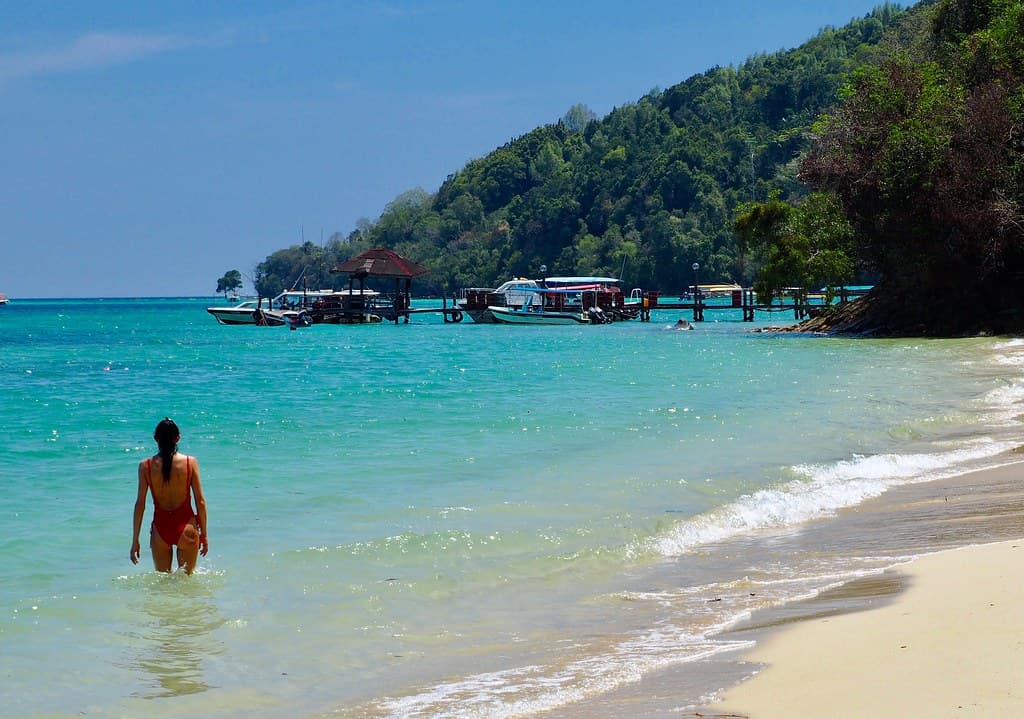
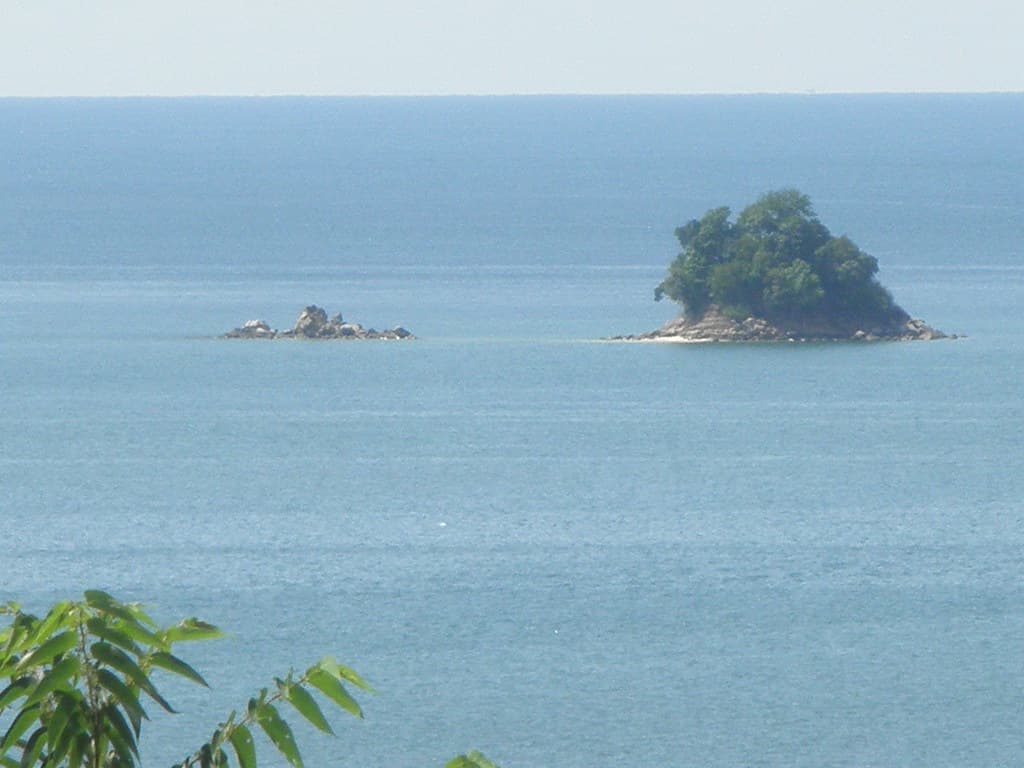
Tanjung Aru unfolds along the western edge of Kota Kinabalu like a generous ribbon, where the city's high-rises fade into casuarina trees and the rhythm shifts from traffic to tide. The sand here is fine and amber, soft beneath bare feet, stretching in both directions until it blurs into haze. Children dig moats while joggers trace the waterline at dawn, but the beach truly wakes in the late afternoon when the light begins its slow descent and half the city seems to migrate here with folding chairs and thermoses of hot tea. The sunsets are not subtle. They ignite the sky in bands of tangerine, fuchsia, and violet, silhouetting the scattering of islands offshore—Gaya, Sapi, Manukan—like dark sentinels. Hawkers move through the crowd selling pisang goreng and coconut water still cold in the shell. The smell of satay mingles with the brine, and somewhere a busker strums a guitar as the first stars prick through the deepening blue. You will find no dramatic cliffs or hidden coves here, just an honest stretch of shoreline where locals and travelers alike come to mark the day's end. The water is calm, shallow for meters out, warm as bathwater. Palm-thatched shelters dot the sand, offering shade during the midday heat. When the sun finally slips below the sea and the sky fades to indigo, the beach empties slowly, reluctantly, as if no one wants to be the first to leave.
Places, rentals, tours and events within walking and driving distance of Tanjung Aru Beach.
Photos
Tanjung Aru Beach is generally safe for swimming, with calm, shallow waters that make it suitable for families with children. The beach has designated swimming areas monitored during peak hours. However, conditions can vary with weather and tides, so always check for warning flags and local advisories. The sandy bottom is gentle, though occasional jellyfish may appear during certain seasons. Lifeguards are typically present on weekends and holidays. Avoid swimming during rough weather or when red flags are posted, and stay within marked zones for the safest experience.
The best time to visit Tanjung Aru Beach is during sunset, typically between 5:30-6:30 PM, when the beach becomes famous for its stunning golden-hour views over the South China Sea. Weather-wise, March to October offers drier conditions, though the beach is accessible year-round. Weekday afternoons are less crowded than weekends. The tropical climate means temperatures stay warm (24-32°C) throughout the year. Avoid visiting during heavy monsoon rains (October-February) when seas can be rough, though brief afternoon showers are common even in dry season.
Tanjung Aru Beach is located about 7 km from Kota Kinabalu city centre, easily accessible by taxi, Grab (Southeast Asian ride-hailing app), or rental car in 15-20 minutes. Public buses also serve the area. There's a large parking lot near Prince Philip Park and the beach entrance, with both free roadside parking and paid lots available. Parking fills up quickly during sunset hours and weekends, so arrive early if driving. The beach is also within walking distance of Tanjung Aru Plaza shopping area.
Tanjung Aru Beach offers numerous food options, from local hawker stalls selling fresh seafood, satay, and Malaysian dishes to beachfront cafes and restaurants. The famous Tanjung Aru Food Court operates in the evenings. Facilities include public restrooms, changing rooms, and shower areas. Beach chair and umbrella rentals are available from vendors. Nearby Tanjung Aru Plaza has restaurants and shops. Several hotels and resorts line the beach, including luxury options like Shangri-La. Convenience stores and basic amenities are easily accessible along the beachfront promenade.
Tanjung Aru Beach faces west toward the South China Sea, providing unobstructed sunset views where the sun appears to sink directly into the ocean. The beach's position offers panoramic vistas of nearby islands and Mount Kinabalu silhouetted against the colourful sky. The wide, sandy shoreline gives ample space for sunset photography and relaxation. Local culture has embraced this natural spectacle, with vendors, musicians, and families gathering nightly. The combination of accessible urban location, excellent western exposure, and tropical island backdrop makes it one of Sabah's most iconic sunset destinations.