Counting the waves…
Counting the waves…
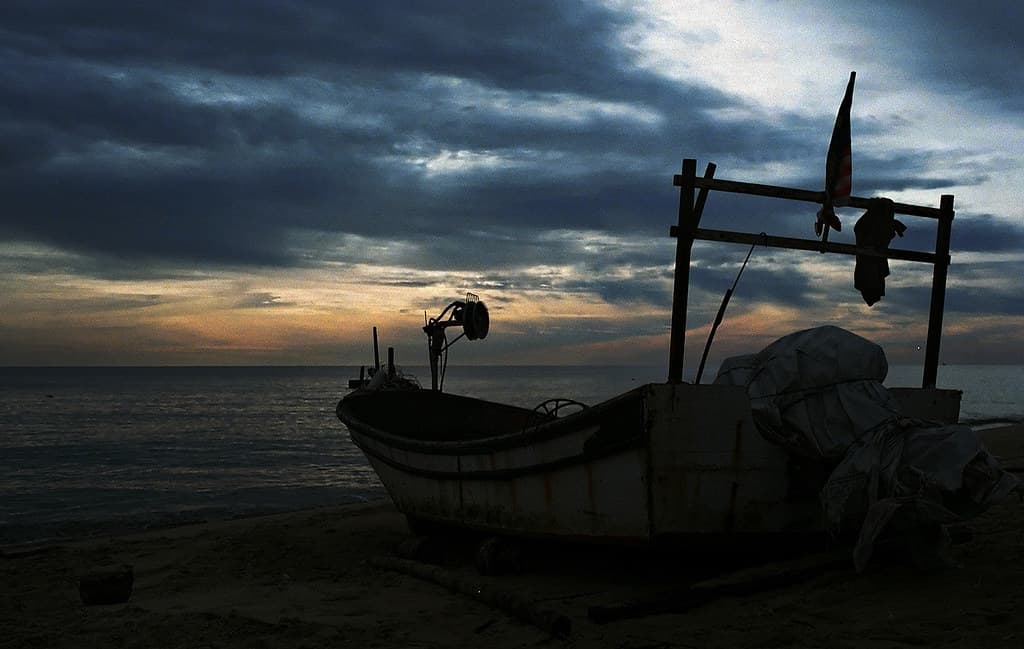
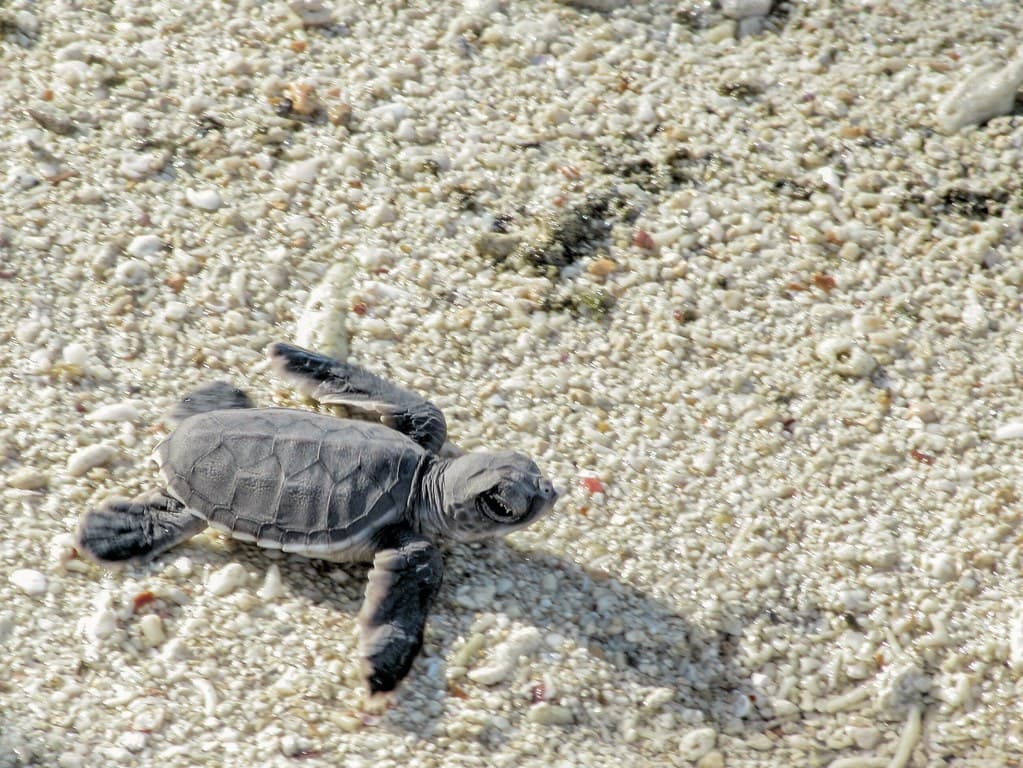
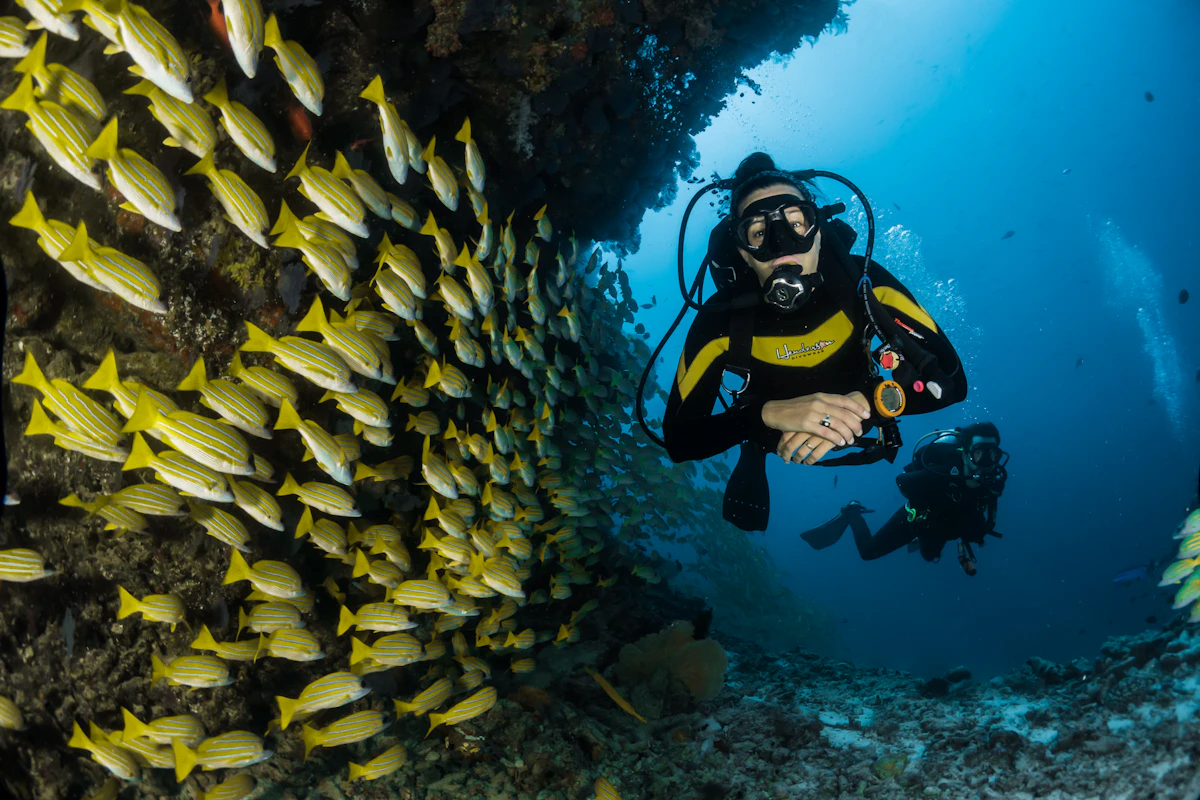
The boat engine cuts, and suddenly you're ankle-deep in bathwater-warm shallows, hauling your pack toward a shoreline that sees more turtle tracks than footprints. Libaran Island curves along the Sulu Sea like a fingernail paring, its beach a ribbon of flour-white sand backed by thick stands of mangrove and coconut palm. This is Sabah's quieter coast—no beach clubs, no jet skis, just the occasional fishing prau drifting past and the soft thud of ripe coconuts dropping into the undergrowth. You'll spend your days wading through shallows so clear you count your toes, snorkeling over seagrass beds where hawksbill turtles graze, or paddling a kayak into mangrove channels where proboscis monkeys crash through branches overhead. At dusk, the sky bleeds tangerine and violet, and if you're here between July and October, you might join a ranger-led patrol to watch green turtles haul themselves ashore to nest, their ancient flippers carving trenches in the sand. The handful of simple beachfront lodges here run on solar power and serve grilled reef fish with sambal that stings your lips. There's no ATM, no convenience store—just the rhythm of tides, the weight of humid air, and the knowledge that you've found a corner of Malaysia the Instagram hordes haven't yet discovered.
Places, rentals, tours and events within walking and driving distance of Libaran Island Beach.
Photos
Swimming conditions at Libaran Island Beach are generally calm and safe, as the island is sheltered within the Sulu Sea. The waters are typically gentle with minimal currents, making it suitable for most swimmers. However, always check conditions with your resort or boat operator before entering the water, as weather can change. Marine life is abundant but not dangerous—you may spot turtles during nesting season. There are no lifeguards on duty, so swim with caution and never alone. Jellyfish can occasionally be present during certain months.
The best time to visit Libaran Island is during the dry season from March to October, when rainfall is minimal and seas are calmer for boat transfers. April to July offers the best weather with sunny skies and excellent visibility for snorkeling. Avoid November to February when monsoon rains make sea crossings rougher and some resorts may close. If you're interested in witnessing turtle nesting, visit between July and October. The island remains relatively quiet year-round, offering a peaceful escape from busier Malaysian beach destinations.
Libaran Island is accessible only by boat from Sandakan, located approximately 45 minutes to one hour by speedboat. Most visitors arrange transfers through their resort, which typically includes pick-up from Sandakan town or airport. Boats depart from the Sandakan jetty, and there's no public ferry service—transportation is generally organized as part of accommodation packages. Independent travelers can arrange private boat charters, though this is more expensive. There's no parking at the island itself since it's car-free; if driving to Sandakan, you'll need to arrange parking in town.
Libaran Island has limited but adequate facilities focused on eco-tourism. Several small resorts and turtle conservation camps offer basic to comfortable lodging, with most providing full-board meal packages since there are no standalone restaurants or shops on the island. Accommodations range from simple beachfront chalets to more comfortable bungalows. Meals are typically served family-style featuring local seafood and Malaysian cuisine. There are no ATMs or stores, so bring cash and essentials from Sandakan. Book accommodations in advance, especially during peak turtle season, as options are limited.
Yes, Libaran Island is an important nesting site for green and hawksbill turtles. Several conservation projects operate on the island, offering visitors the chance to participate in turtle hatchery programs and witness nighttime nesting during July to October peak season. Some resorts partner with conservation groups, allowing guests to join beach patrols and observe hatchling releases. While sightings aren't guaranteed, your chances are good during nesting months. Participation often requires staying at affiliated resorts, and strict guidelines protect the turtles—flash photography is prohibited and maintaining distance is mandatory.