Counting the waves…
Counting the waves…

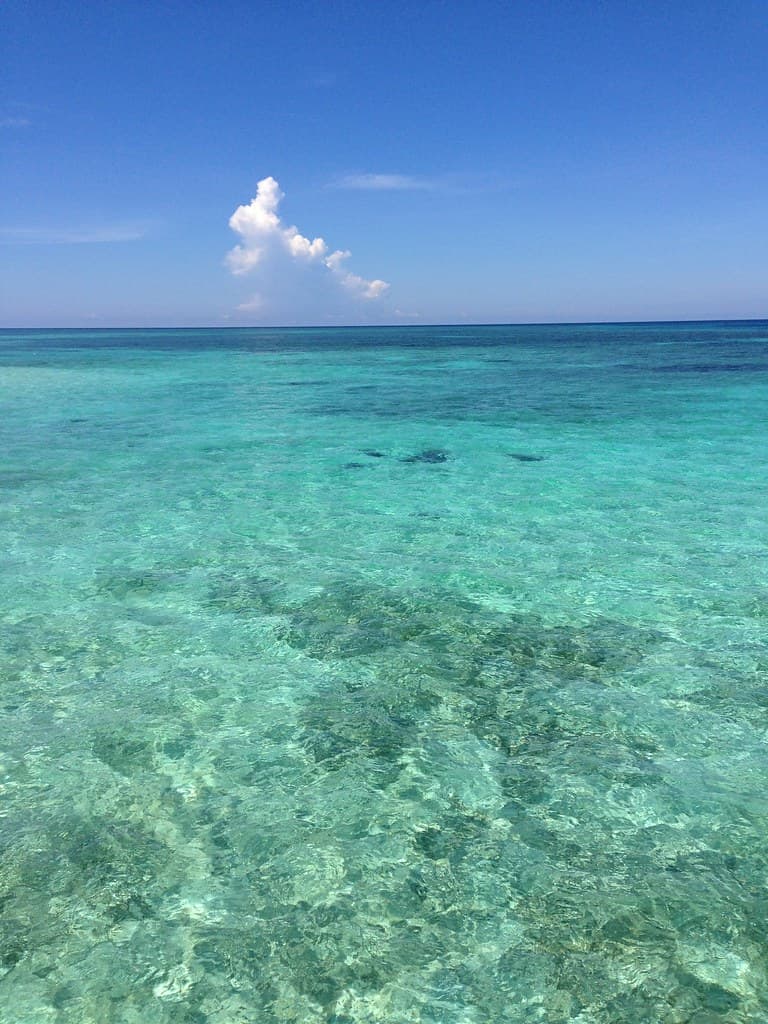
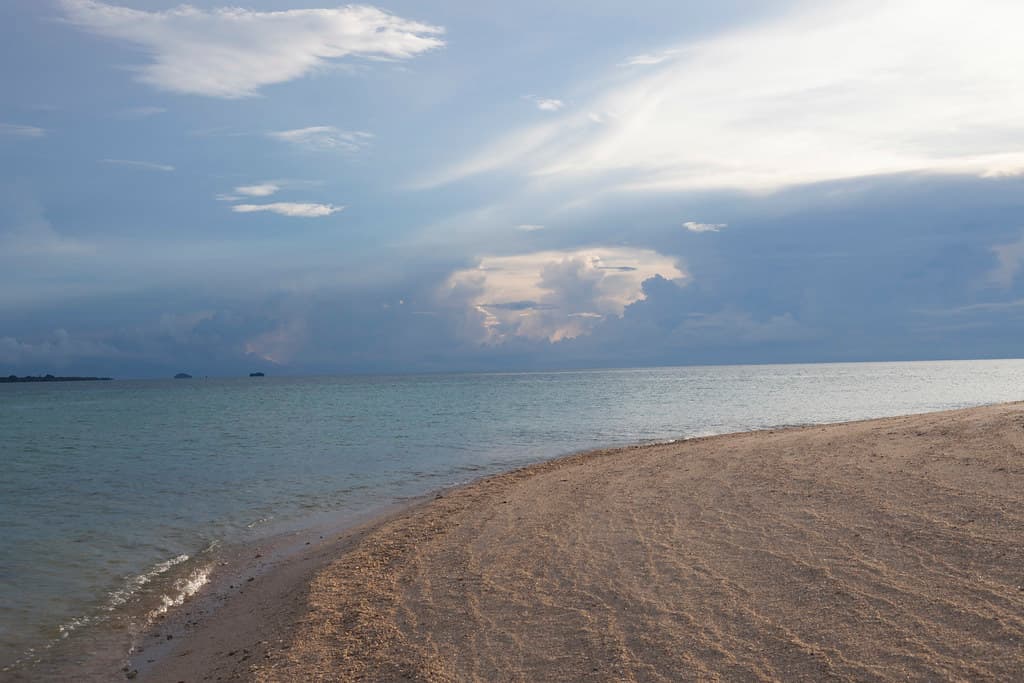
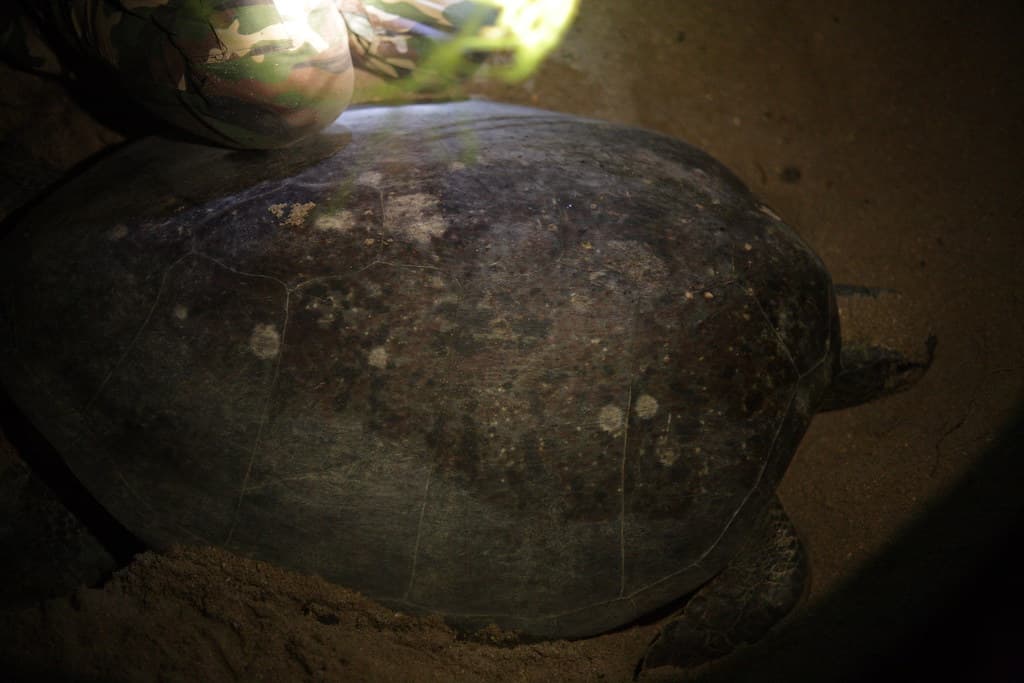
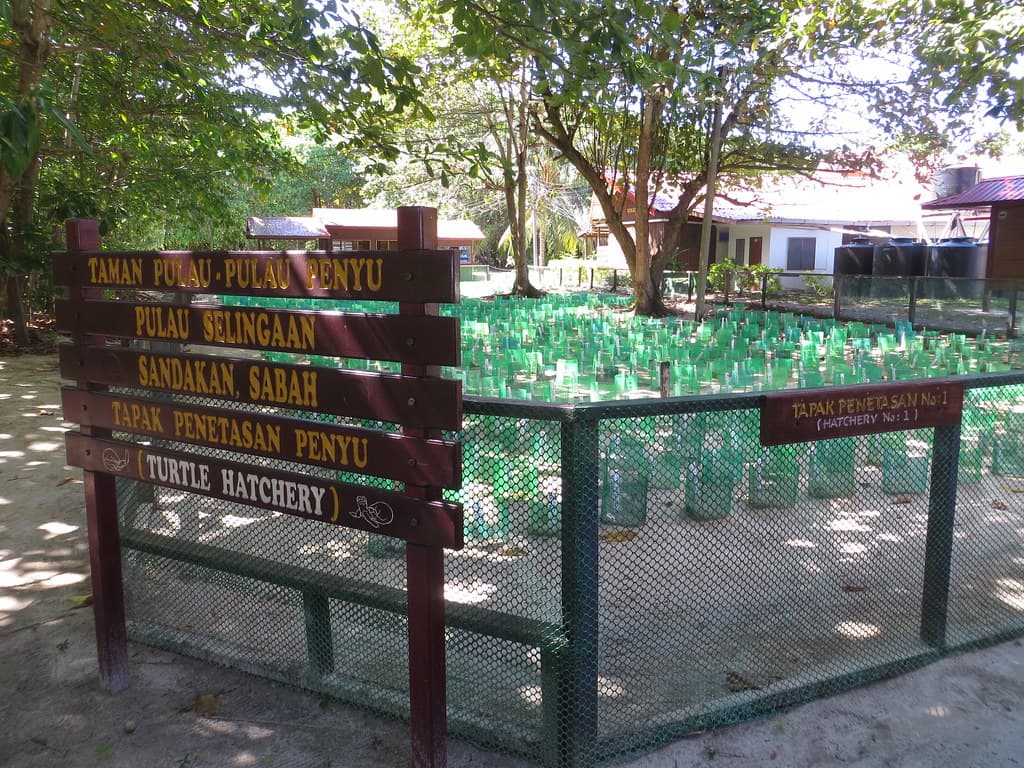
The Sulu Sea laps at Selingan's narrow shoreline in lazy, turquoise folds, but you're not here for the swimming. This 16-acre island exists for one reason: to protect nesting sea turtles. Every night, without exception, green and hawksbill turtles haul themselves onto the sand to lay eggs, and rangers wake you—sometimes at midnight, sometimes at 3 a.m.—to watch beneath handheld lamps as leathery eggs tumble into carefully dug chambers. During daylight hours, you'll snorkel the fringing reef where parrotfish crunch coral and small blacktip sharks cruise the shallows. The island's interior is little more than casuarina trees and a humble visitor center, but the real infrastructure is the hatchery: rows of netted enclosures where eggs incubate under monitored conditions. At sunset, rangers release that night's hatchlings, and you'll crouch in the sand as dozens of thumbnail-sized turtles paddle furiously toward the surf. Accommodation is basic—fan-cooled chalets with twin beds and shared dining in an open pavilion where you'll eat simple curries alongside marine researchers. There's no phone signal, no air-conditioning, no choice of when to sleep. The turtles set the schedule, and you adjust. It's this surrender to their rhythm, not the beach itself, that makes Selingan unforgettable.
Places, rentals, tours and events within walking and driving distance of Selingan Island Beach.
Photos
Swimming conditions at Selingan Island are generally calm and safe, as the island sits within a protected marine park. However, your primary focus here will be turtle conservation activities rather than swimming. Visitors must follow strict park regulations, including designated areas and times for beach access. Night swimming is prohibited to protect nesting turtles. The beach is sandy with gentle waters, but jellyfish can occasionally be present. Always follow your guide's instructions and respect conservation zones to ensure both your safety and the protection of endangered sea turtles.
Selingan Island welcomes visitors year-round, as green and hawksbill turtles nest throughout the year, though peak nesting occurs July through October. The island operates daily with limited overnight permits (maximum 50 visitors). Weather-wise, March to October offers drier conditions with calmer seas, making boat transfers more comfortable. November to February brings monsoon rains and rougher waters, though turtle activity continues. Book several months ahead regardless of season, as permits sell out quickly. Evening turtle watching sessions occur nightly, so any visit virtually guarantees witnessing nesting or hatchling releases.
Selingan Island is accessible only via organized tour packages, as independent visits aren't permitted. Tours depart from Sandakan's jetty, with boats taking approximately 45-60 minutes to reach the island. You must book through authorized tour operators who arrange permits, boat transfers, meals, and accommodation. Most packages include hotel pickup in Sandakan, departing around 9-10 AM and returning the following afternoon. There's no parking at the island itself—everything is arranged through your tour package. Advance booking (2-3 months minimum) is essential as daily visitor numbers are strictly controlled for conservation purposes.
Accommodation is limited to basic chalets operated by Sabah Parks, with simple twin-share rooms, fans, and shared bathroom facilities. All meals (lunch, dinner, breakfast) are included in your overnight package and served buffet-style at the island's dining hall, featuring local Malaysian dishes. No restaurants, shops, or additional food services exist on the island. Bring drinking water, snacks, and any personal items you need. There's no electricity during daytime hours, and limited power at night. The focus is conservation rather than luxury, so expect modest, functional facilities within a protected natural environment.
Selingan is one of Southeast Asia's most important turtle hatcheries, with nightly nesting activity virtually guaranteed. After settling in, rangers patrol the beach waiting for turtles to nest. When a turtle arrives, visitors are called (usually between 8 PM-midnight) to observe egg-laying from a respectful distance. Rangers collect eggs for protected hatchery incubation, then visitors help release hatchlings into the sea. Photography is restricted—no flash allowed near turtles. The experience is carefully managed to minimize disturbance. You'll witness genuine conservation work while experiencing an unforgettable wildlife encounter that supports critically endangered species.