Counting the waves…
Counting the waves…

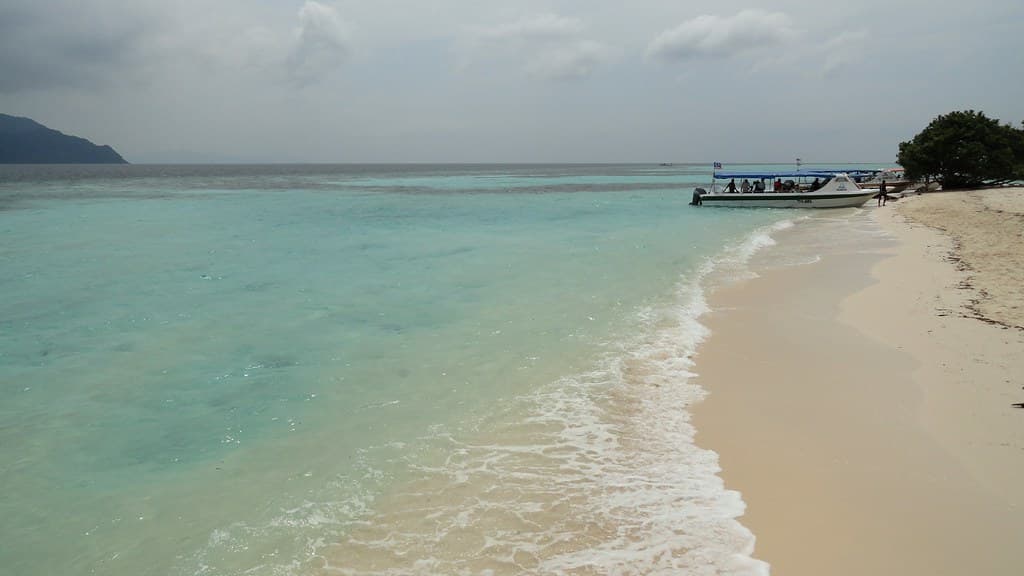
Your room floats on timber pilings above a seabed that barely reaches fifteen feet, yet holds more biodiversity per square meter than almost anywhere in the Coral Triangle. Beneath the wooden walkways connecting dive resorts and Bajau Laut homes, nudibranchs inch across discarded shells, flamboyant cuttlefish pulse neon warnings, and mimic octopuses shape-shift against patches of sand and rubble. This is muck diving's global headquarters—an ecosystem thriving on the detritus of human habitation, where critters usually hidden in deeper waters crowd into the shallows. The Bajau sea nomads who've lived here for centuries built their houses on stilts long before dive tourism arrived. Their children still paddle dugout canoes between homes, and fishermen repair nets on sagging platforms as you fin past, snorkel mask fogging in the humid air. The cultural collision feels surprisingly organic—resort staff are often Bajau themselves, and the village sprawls alongside the diving infrastructure without clear borders. You'll spend surface intervals watching kingfishers dive from the resort jetty, or photographing the weathered faces of boat builders working beneath coconut palms on the single sandy stretch. But Mabul pulls you back underwater repeatedly. Night dives reveal bobtail squids hovering like tiny spaceships, and dawn brings schools of barracuda circling the house reef. The bottom stays shallow enough that you'll log ninety-minute dives on a single tank, crawling across sand in search of the next impossible creature.
Places, rentals, tours and events within walking and driving distance of Mabul Island Beach.
Photos
Mabul Island Beach generally offers calm, shallow waters ideal for snorkeling rather than swimming. The surrounding reefs are typically gentle with minimal currents, making conditions safe for beginners. However, always check with your resort or dive center about current conditions. The main attraction is underwater visibility and marine life rather than beach swimming. Water clarity varies depending on tides and weather. Stingrays and jellyfish can occasionally be present, so shuffle your feet when entering shallow water and consider wearing reef shoes for added protection.
The best time to visit Mabul Island is during the dry season from March to October, with April to June offering optimal conditions. Visibility underwater is typically clearest during these months, ranging from 10-30 meters. The northeast monsoon (November to February) brings rougher seas, rain, and reduced visibility, though diving is still possible. Water temperatures remain warm year-round at 27-30°C. Book accommodations well in advance during peak season (June-August), as the island's limited resorts fill quickly with diving enthusiasts.
Mabul Island is accessible only by boat from Semporna town. Most visitors arrange speedboat transfers through their resort, which typically takes 45 minutes to 1 hour from Semporna jetty. Public boats are limited and unreliable. To reach Semporna, fly into Tawau Airport (about 1.5 hours' drive), then take a taxi or pre-arranged transfer. There's no parking on Mabul itself, but secure parking is available in Semporna town if you're driving from elsewhere in Sabah. Always confirm boat transfer details when booking your accommodation.
Mabul Island offers various accommodation options, from budget backpacker lodges to mid-range dive resorts like Sipadan Water Village and upscale properties like Mabul Water Bungalows. Most resorts include meals in their packages, serving buffet-style Malaysian and international cuisine. There are a few independent restaurants and small warungs near the village, but options are limited compared to mainland areas. The island has basic amenities including dive shops, small convenience stores, and limited Wi-Fi. Most visitors book multi-night packages including accommodation, meals, and diving, as there's no airport or significant infrastructure on the island.
Yes, Mabul Island is the primary gateway for diving at world-famous Sipadan Island, located about 15 minutes away by boat. However, Sipadan requires government-issued permits limited to 120 divers daily, which resorts arrange in advance. Most Mabul-based dive operators include Sipadan permits in multi-day packages, though not guaranteed daily. Mabul itself offers excellent muck diving and macro photography opportunities, often considered equally impressive. If Sipadan permits aren't available, nearby Kapalai Island provides additional diving sites. Book well ahead if Sipadan diving is your priority, especially during peak season.